
Crossing oceans to Taiwan - George Mackay in Taiwan
Crossing oceans to Taiwan
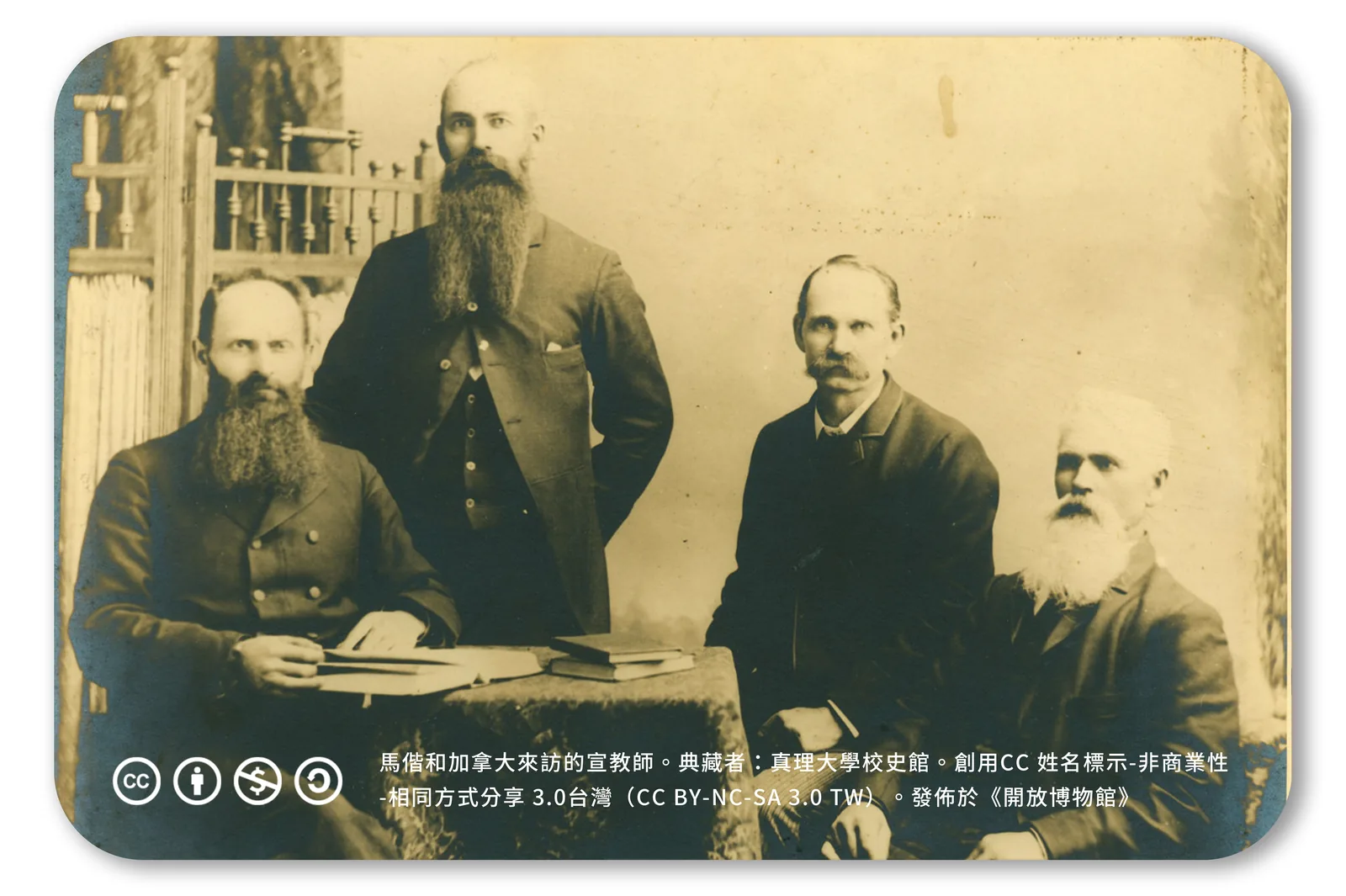
【Departure: Mackay crossed the ocean】
On October 19, 1871, Dr. Mackay officially started his long journey, not knowing where this trip might take him to and that if he would be enthusiastically dedicated to this mission, or whether was he ready or prepared to face the challenges.
Mackay left his hometown by train and arrived in San Francisco on October 27th. On November 27th, he went to Yokohama, Japan by ship. and then to Hong Kong. In Hong Kong, Mackay and two members of the Presbyterian Church of England went to Guangdong together, and under the advice of local members, they went to Shantou to preach. But later found that there were already members in charge of preaching in the area, therefore, Mackay finally decided to come to Taiwan to start his missionary career.
Although the condition on the ship was terrible, Mackay arrived at Takao (the first location he arrived at in Taiwan) on December 30, 1871, and set off on New Year's Day the following year. And he finally took the boat at 3 p.m. on March 9, with his fellow Pastor Hugh Ritchie and Dr. Matthew Dickso officially arrived in Huwei (present-day Tamsui). When Dr. Mackay arrived, he described in his diary that he was deeply touched by this place, and could not help himself to praise Jehovah, and made up his mind to preach in Taiwan.
【Difficulty: Difficulty in Taiwan】
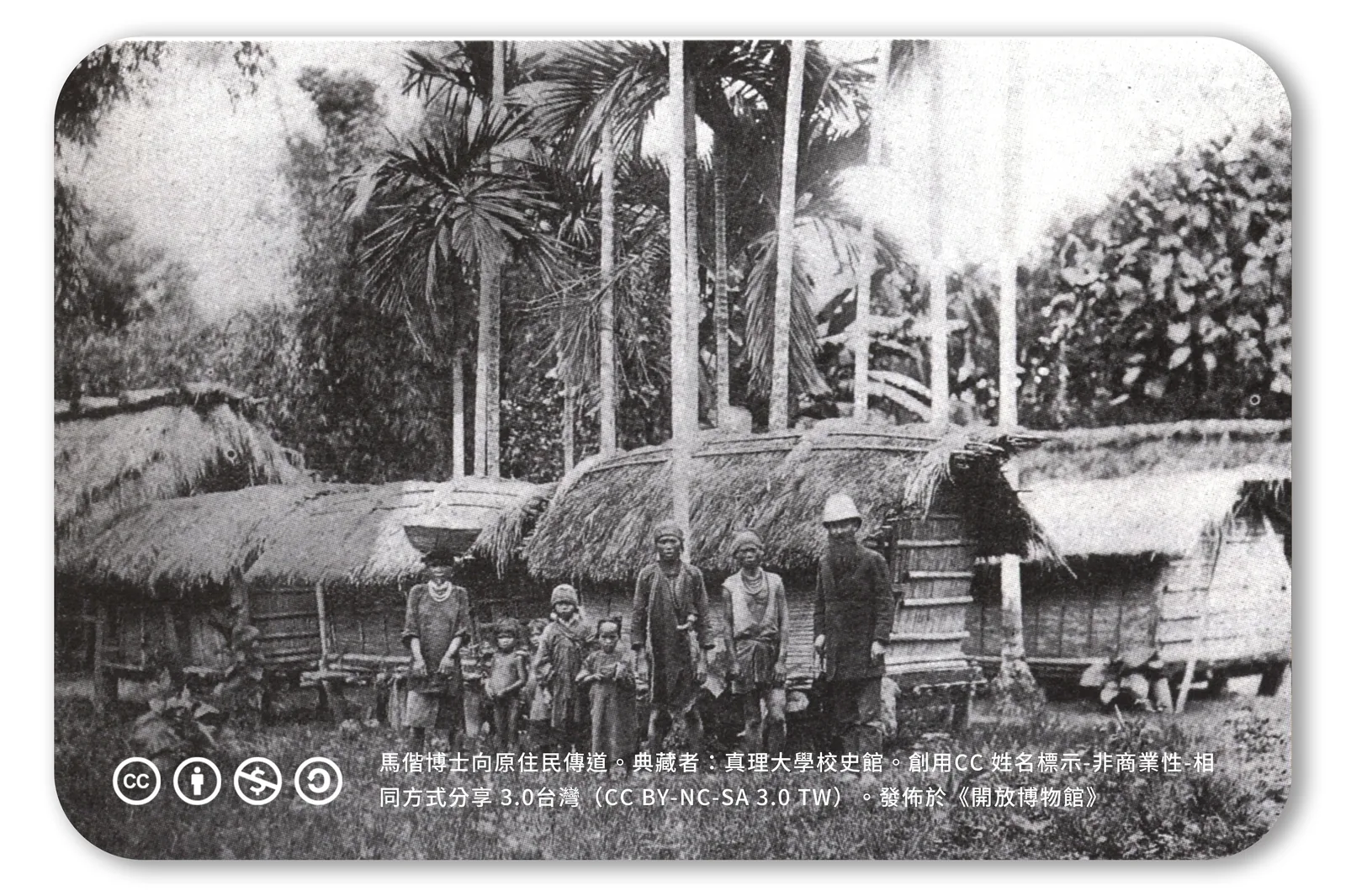
The house he originally rented was an abandoned horse barn, which he remodeled and turned it into a place to live, hospital, and teach. He knew that in order to integrate into the local areas, he must learn the local languages and cultures. He made friends with cowboys on the outskirts of Tamsui and learned Taiwanese. And he soon visited the local areas, walking through the mountains and rivers of Taiwan, and going deep into the Han Chinese villages and the native communities.
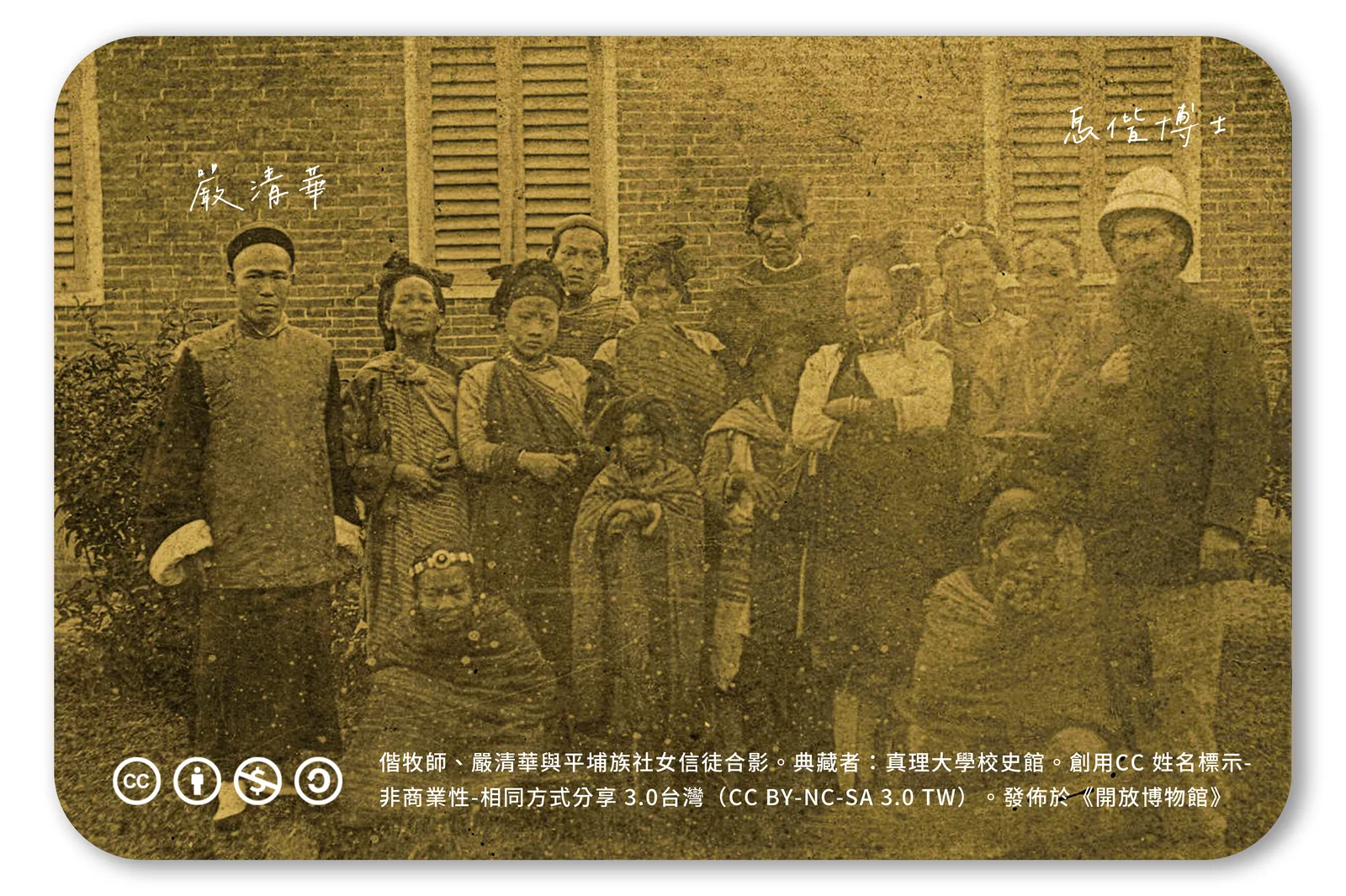
At first, Mackay wanted to learn the local languages. He first learned it from his servants by imitating his voice, but his servants could not stand it and fled. So, Mackay turned to the cowboy to learn, and slowly understood the traditional Chinese religions. One day, a young man came to him to debate about gospel. After several conversations, the young man finally became a Christian follower, and later became the first Taiwanese pastor taught by Mackay (the young man was Yan Qing Hua).
Taiwan is an island country that is often threatened by typhoons and earthquakes, and most people worship many gods to ensure safety. In a society where there is a mixture of polytheistic beliefs, Mackay wanted to promote the "sole God" religion, and the difficulty of this was simply unbelievable! In 1872, the port authorities issued a rule prohibiting the locals from renting houses for foreign missionary purposes. The local people were also quite unfriendly to Mackay because of his missions. And at that time, the local leaders of the three surnames of Monga once threatened: "If there are three surnames, then there is no Jesus religion; if there is Jesus religion, then there are no three surnames.", expressing the attitude and determination that they couldn’t stand with Christianity.
Dr. Mackay not only learned the Taiwanese language from Rev. Hugh Ritchie but also learned the fact that although the population in Northern Taiwan was large, there are no missionaries that went there to preach. Therefore, driven by the enthusiasm, Mackay decided his next destination of his missionary career.
Although Pastor Mackay was full of medical knowledges, he was not a licensed doctor. Therefore, formal medical treatment committee invited foreign doctors hired by the Tamsui Customs and Taxation Department to help out the Hobe MacKay Hospital and invited local Chinese doctors as assistants. He invited five foreign doctors: Dr. S.Ringe, Dr. C.H.Johansen, Dr. B.S.Rinnie, Dr. F.C.Angear, and Dr. W.Wikson, who presided over the " the Hobe MacKay Hospital " and made indelible contributions to modern medicine in Taiwan. The most memorable of all was the story of Dr. Mackay and Dr. S.Ringe dissecting a sailor in the medical hall who was fatal due to injuries in the respiratory tract in 1879, which was the first successful treated case in the world.
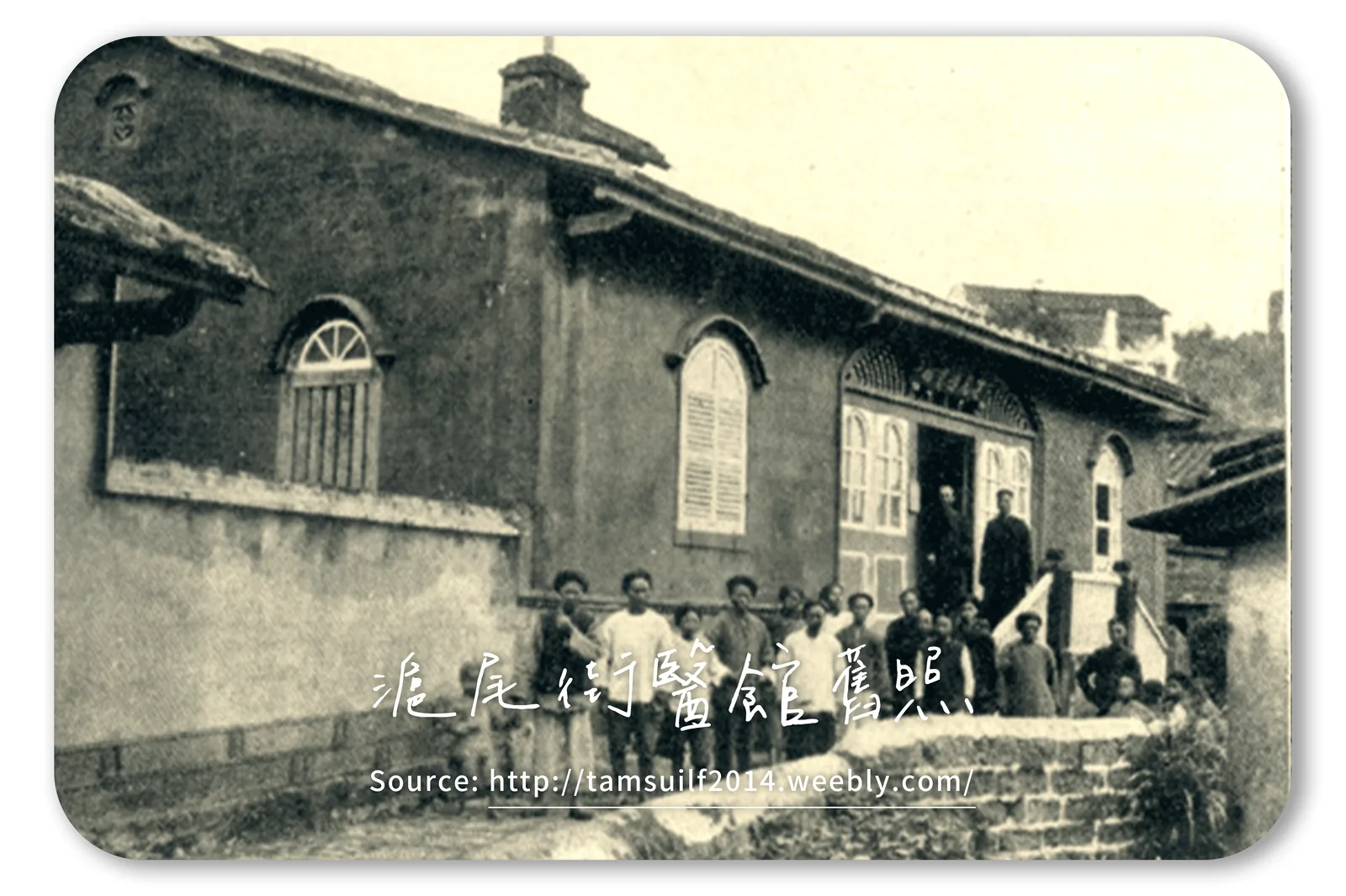
The Northern Church performed the first baptism at the
Tamsui Church
, and 5 of them were baptized: Yan Qing Hua, Wu Kuan Yu, Wang Chang Shui, Lin Wei, and Lin Cup..
Shortcuts
Project introduction
Interview records
Dedicated to Taiwan
【Other Contributions】
Dr. Mackay, who loved Taiwan deeply, made great contributions to Taiwan in his lifetime. The first and most memorable is the spread of the gospel. As a missionary, Mackay is believed to be quite successful of his mission.
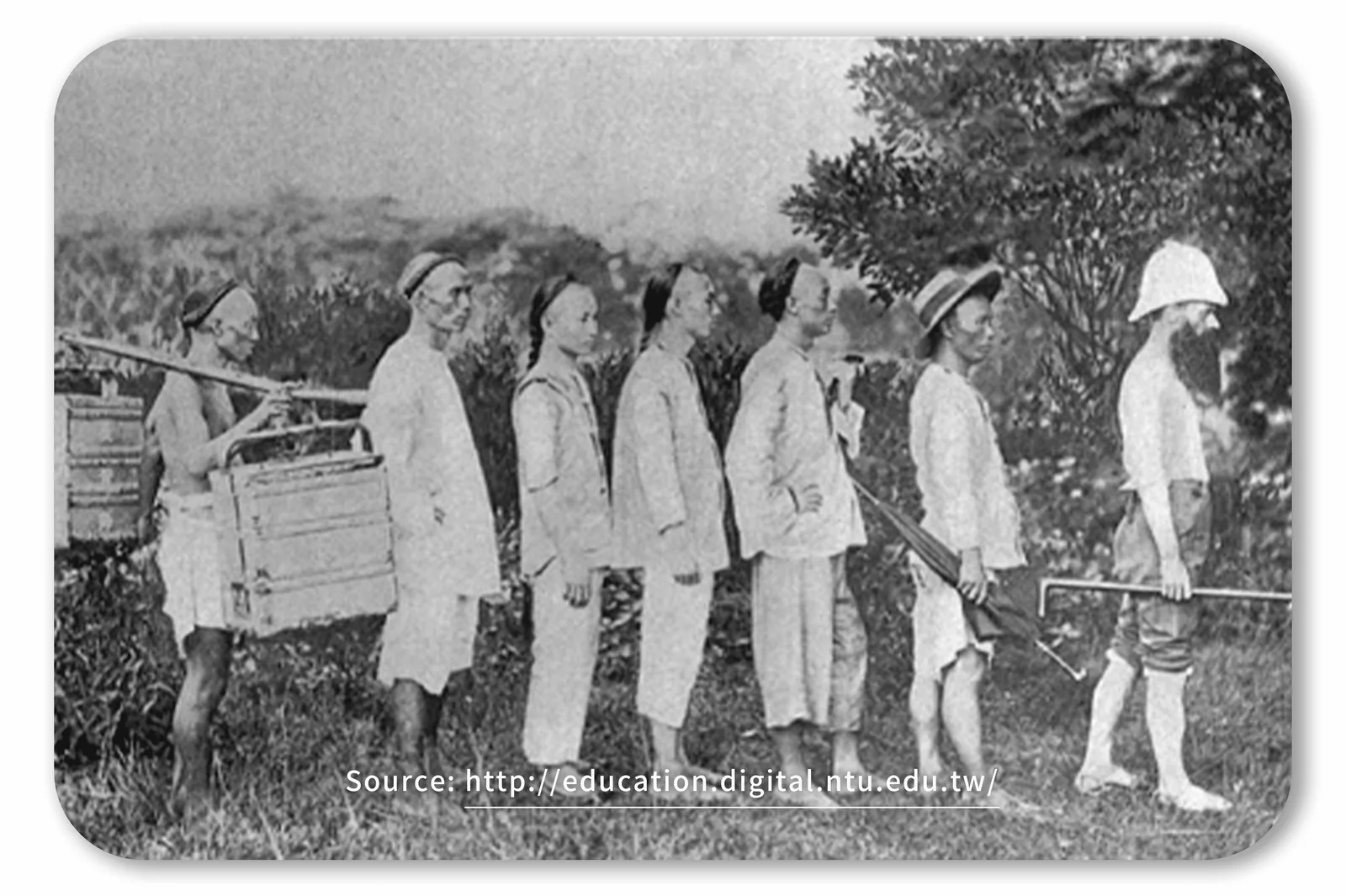
Secondly, Mackay helped the people by curing diseases and extracting teeth and other deeds were also clichés that were well-known. But Mackay’s dedication was not limited to only this. For example, Dr. Mackay introduced foreign plant varieties, vegetables and fruits such as cabbage, cauliflower, carrots, beet roots, tomatoes, etc to Taiwan. And other tree plant seeds were given to the public for free. These contributed to the agricultural development of Taiwan and improved the lifes of Taiwanese people. Additionally, it has to be mentioned that the contribution to education, religion, and medical care, are all listed as the great deeds achieved by Mackay.
In addition to preaching, Mackay often gave lectures. First, it was only his own disciples that listened to it. But he later established schools and advocated teaching concepts. He set up the Oxford College and the Tamsui Girls' SchooI in Taiwan. (For more details on both, please refer to the other sections of this website)
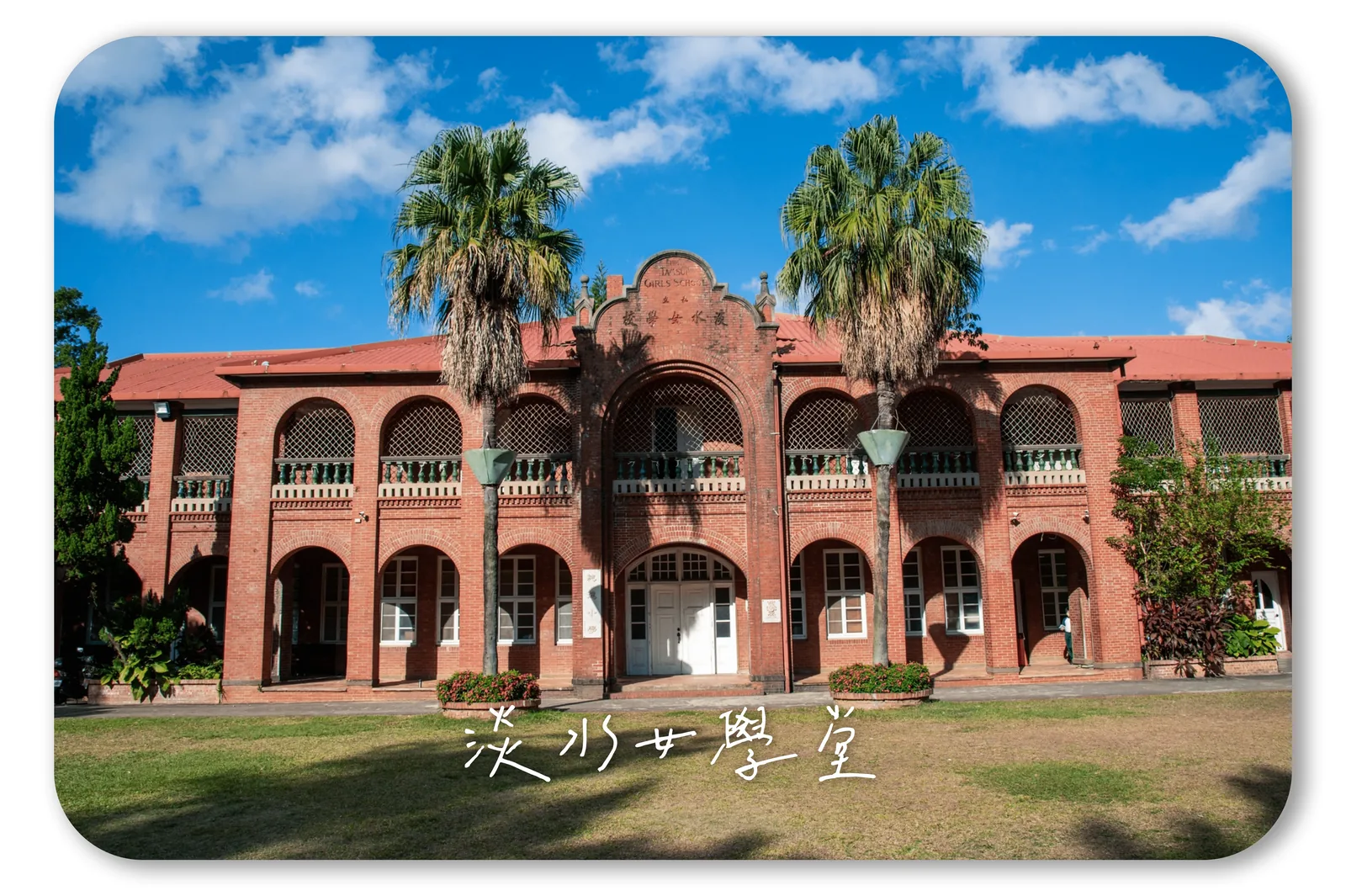
At that time, Mackay introduced a Western-style education. Unlike the Chinese traditional education methods, he taught with a more modern method of theology, science, society, nature and so on. In addition, Dr.Mackay also emphasizes great importance to women's right to be educated. At that time, Mackay found that under the immersion of thousands of years of Han Chinese culture in Taiwan, the concept of "women who lack talents is virtuous” had taken roots deeply in the society. And "male superiority over female inferiority" made women at that time have no right to be educated, let alone received God's grace.
Mackay began his work of equal rights fight for women, and he married Ms. Chang Tsung Ming, a Taiwanese woman, to help promote the idea of opposing bad habits such as female foot binding and child brides. (Ms. Chang Tsung Ming was also a child bridesmaid). Mackay’s efforts enabled many women in Taiwan to get out of plight. And the Tamsui Girls' School founded by Mackay also cultivated many countless excellent women.
Shortcuts
Project introduction
Interview records