
Vision
A humanistic outlook, character first
Building the habits of reading, presenting and research
Our values: sincerity, perseverance, unity
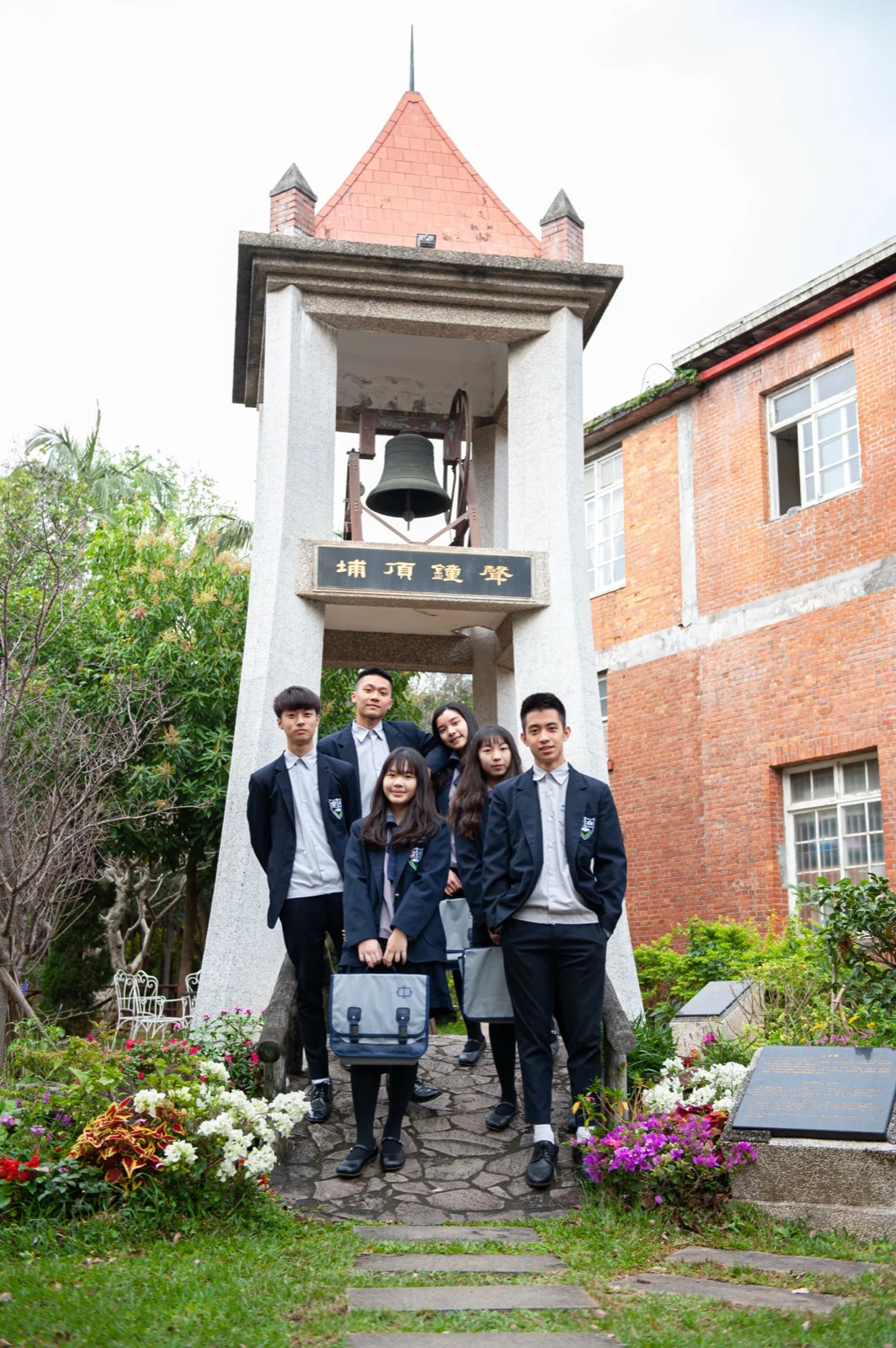
Education in the Humanities and Social Sciences class is a joint effort of teachers, students and parents, working together to form active learners and people who act in society — able to solve problems and think independently, and with a care for people — as tomorrow's universities and society will need. It is not only about getting into university: we care about students' attitude and commitment, and about doing our part for education in Taiwan.
As practitioners and new blood of the new curriculum, the class insists that the quality of learning must rest on character: supporting and sharing the class's values of sincerity, perseverance and unity, and — with care as the outlook — being rooted locally and looking outward.
Our values
Rooted locally, looking outward
- 01Sincerity
- 02Perseverance
- 03Unity
Six capabilities
The curriculum grows out of these six things.
01
Digital literacy
Through what the student editorial team hands down, learn copywriting, layout and design, and video editing.
02
Logical thinking
Through project research, build the habit of analysing a problem and solving it by reasoning.
03
Presenting
An outstanding presentation needs a speaker who can make the complex simple and hold an audience's attention.
04
A competition at every stage
Use the time outside class to enter large competitions: it builds experience and prepares you for the competition to come.
05
A learning record
Rich extracurricular activities, visits and project research will widen your international outlook across the three years.
06
Research method
Through a step-by-step, systematic project structure, develop an integrated way of thinking.
WHAT THE CLASS IS FOR
Six things three years should grow
The curriculum is not six subjects but six sides of one training, and each has real work behind it.
01
Activities that teach
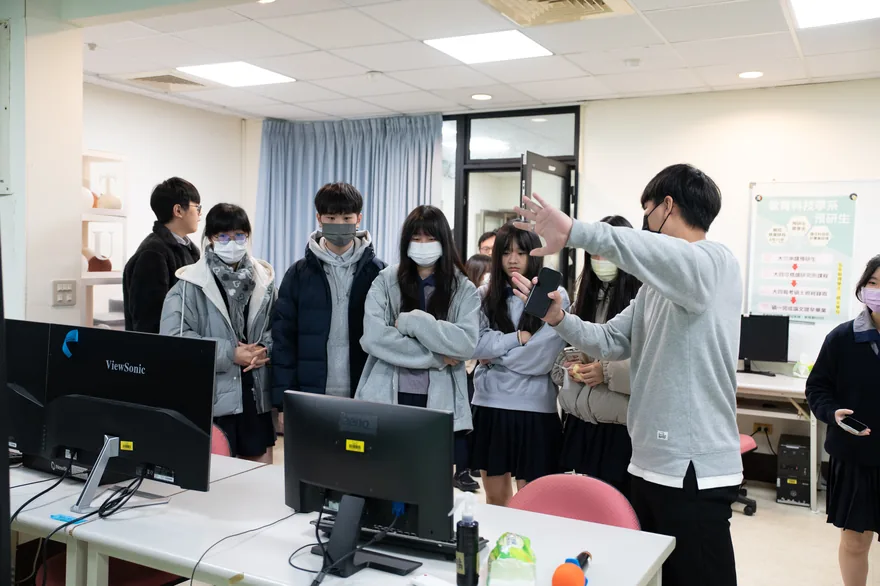
Visits, talks, camps, competitions, service learning. The activity is the course, not an extra beside it.
02
Civic literacy
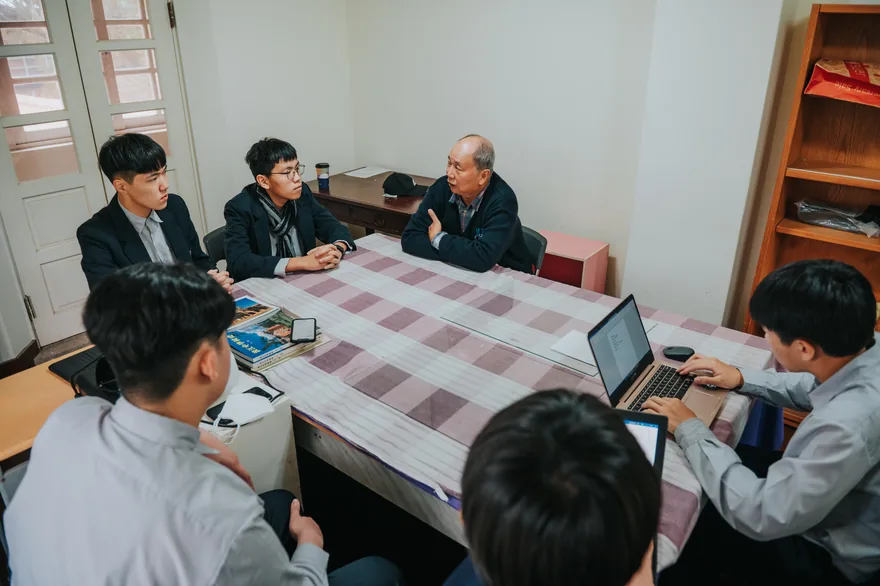
The questions come from real society: rule-of-law education, human-rights talks, interviews in the town — learning to listen before judging.
03
Character first
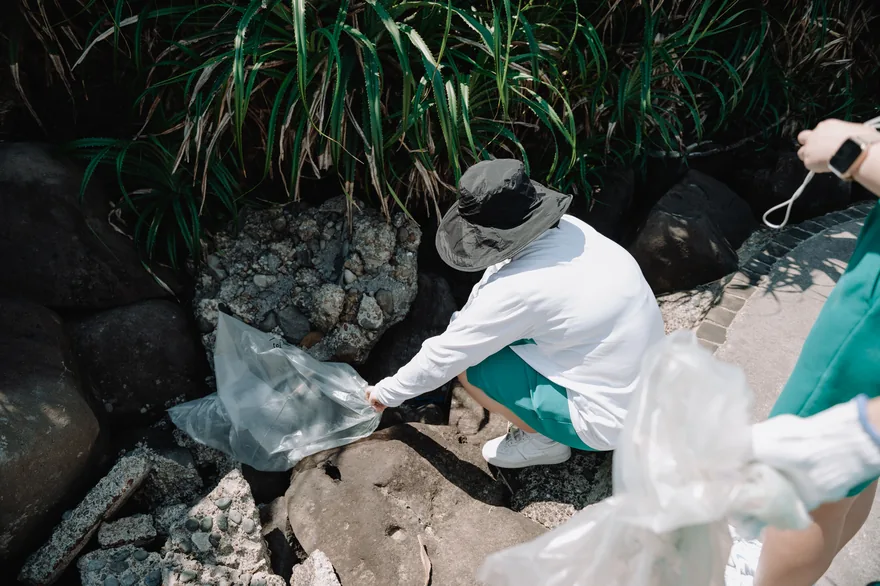
The class's values are sincerity, perseverance and unity. The quality of learning has to rest on character.
04
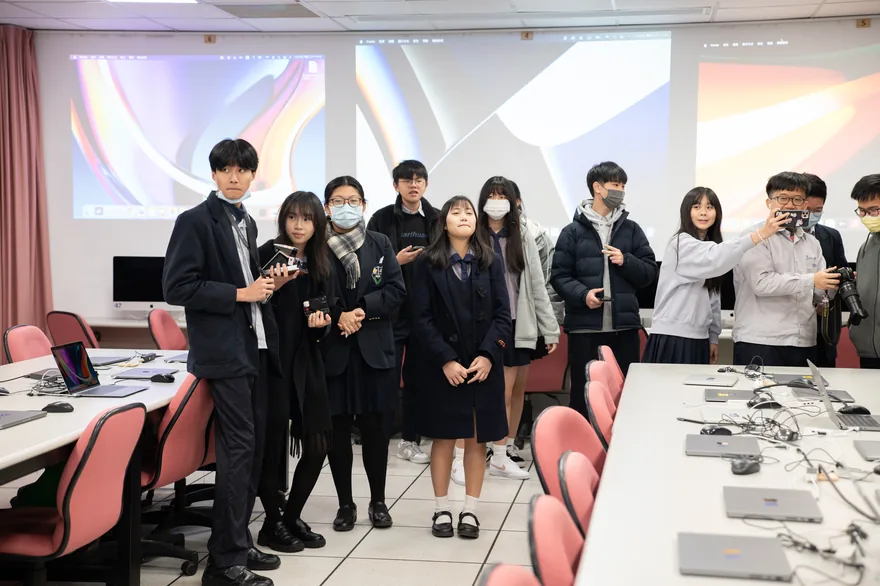
An outward view
The International CyberFair, the Asian Girls Campaign, a futures-studies course taught in English: the frame goes wider than the campus.
05
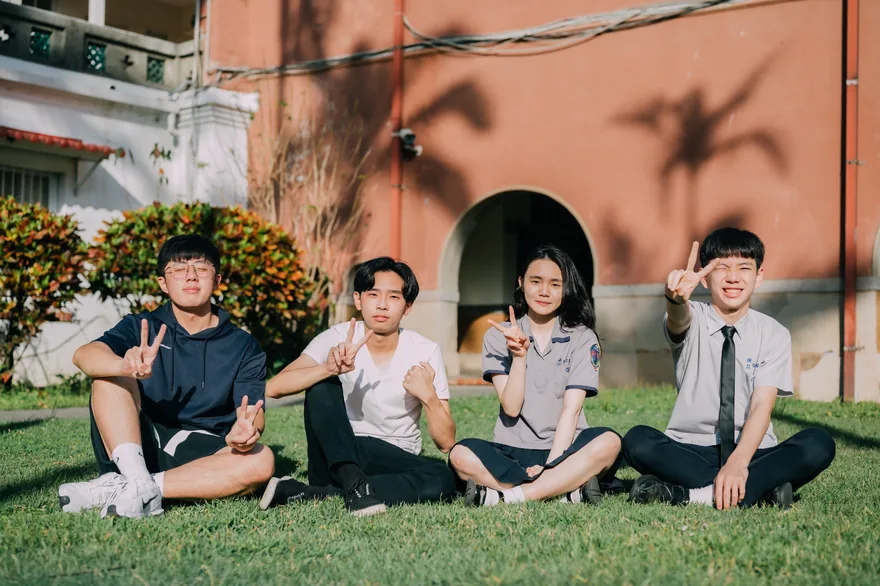
Room to develop
Video, design, presenting, research, self-government — everyone finds their own place in the class.
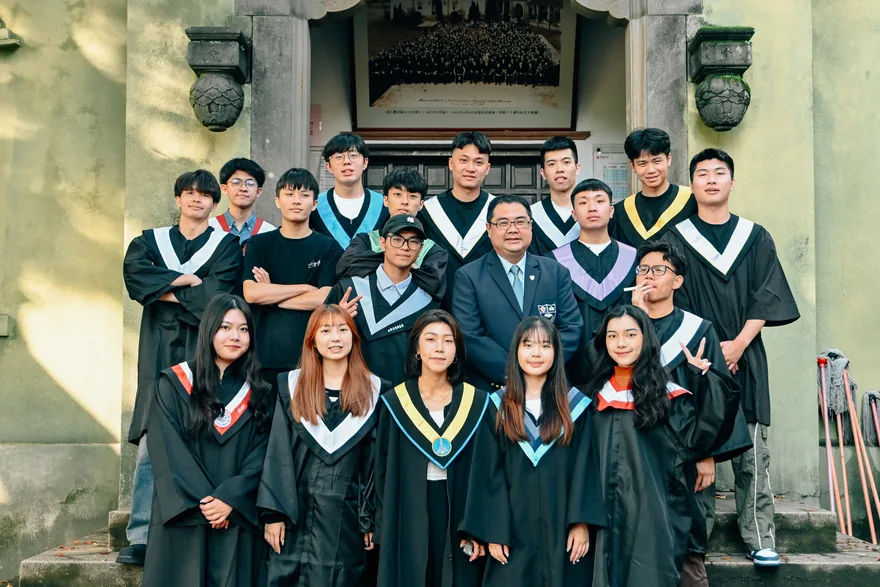
06
University entrance
Three years of projects, competitions and action make the most substantial record an application can carry.
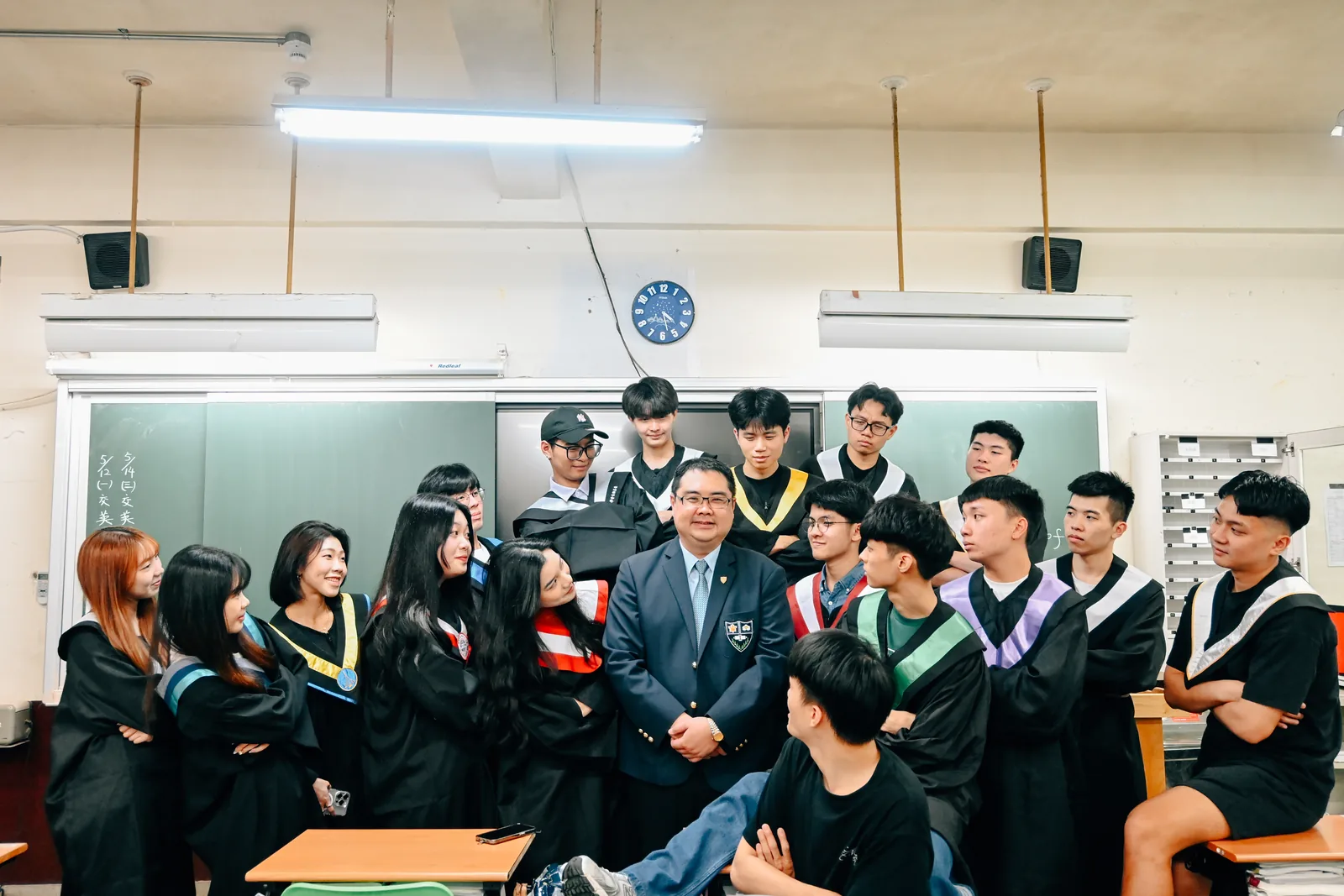
TEACHERS AND STRUCTURE
The humanities and social sciences teaching team
Formed in 2018, the class is led by teachers across subjects, each with a part: homeroom, project supervision, the editorial team, competition coaching — with courses run jointly with Tamkang University. From the introductory course through research methods and project work to the learning record, the three years are one structure, not a collection of loose activities.
- 2018
- Teaching team and structure formed
- 6
- Capabilities
- 4
- Stages
It all starts with the student council
The student council
The student council is a team built on self-directed learning and the handing-down of skills, in which the older students guide, teach and build the cohesion of the group.
Want to see what came out of it?
Projects, competitions, visits and service learning.