
History · Chapter 1
Oxford College and the Tamsui Girls' SchoolOxford College and Tamsui Girls' School
Translated from the gallery’s own Chinese text. Where the two differ, the Chinese is the record.
01Dr. Mackay's open-air school
In his mission work in Taiwan, Dr. Mackay gave particular attention to the training of local workers, out of considerations of adaptation to the climate, of language and culture, of the social environment and of economic conditions. This brought clear results, and its influence on later generations was profound. From the time he rented a house in Tamsui and began to preach there, he took believers as students and began this work of education.
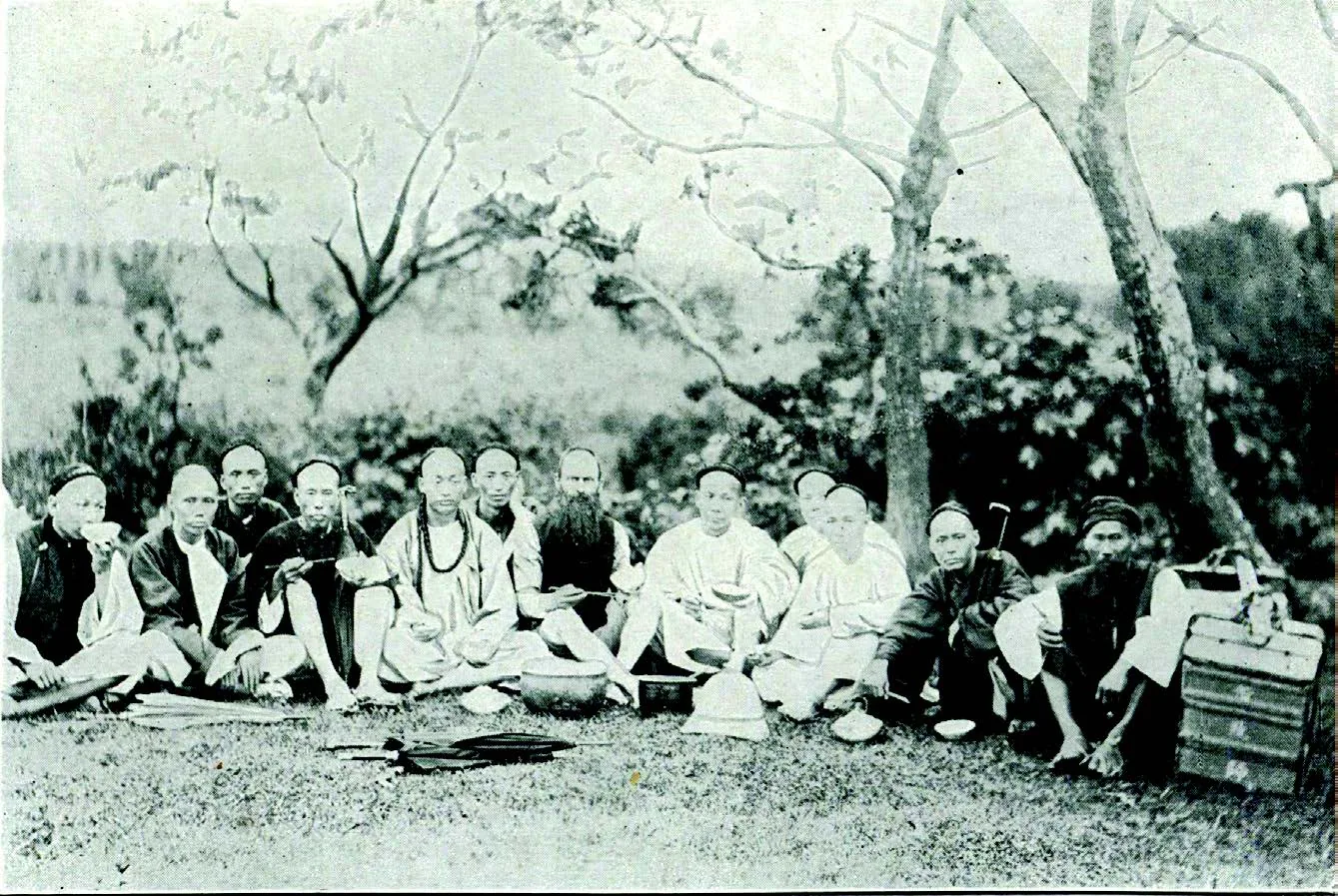
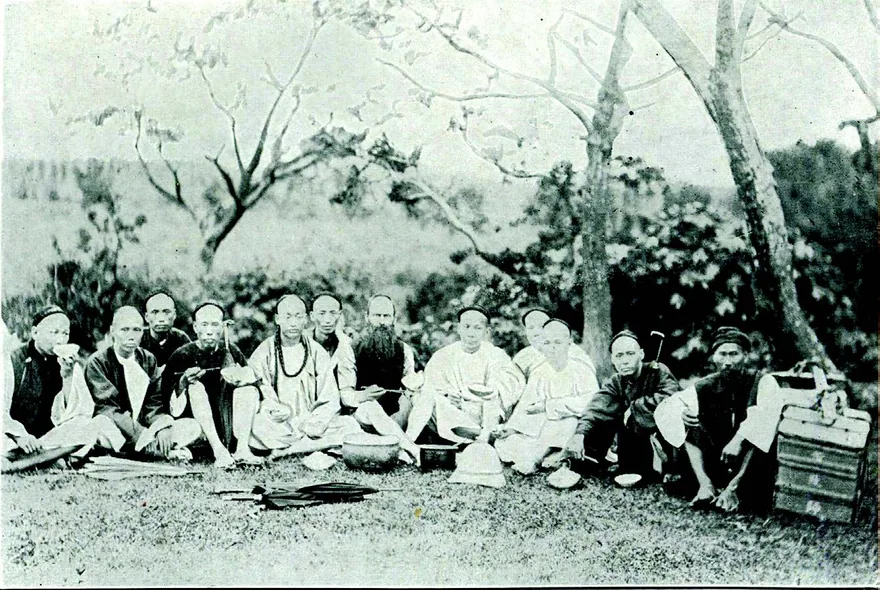
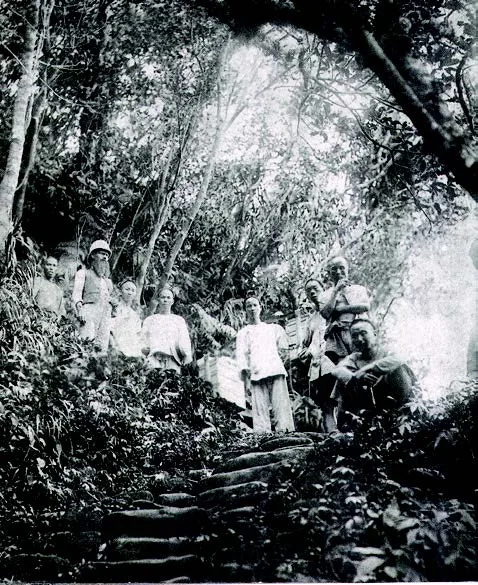
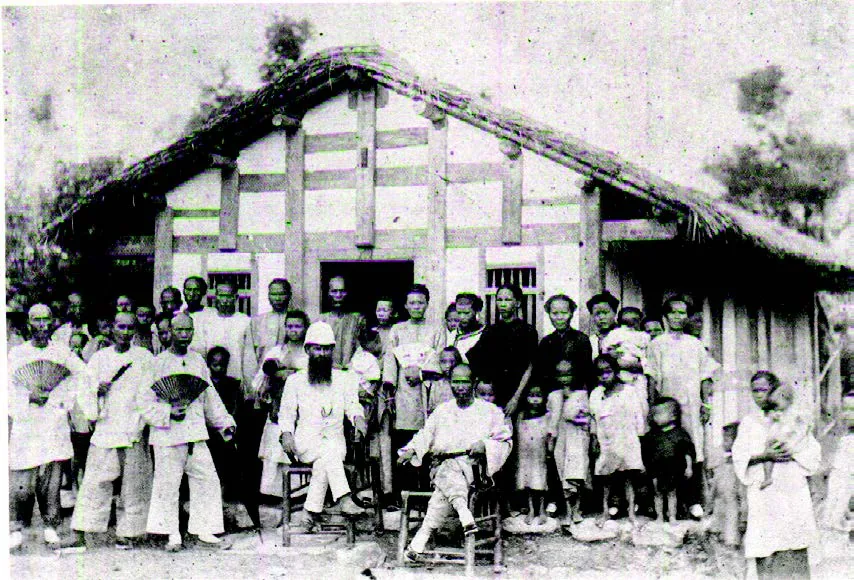
He wrote in his book: “Our earliest school in northern Taiwan was not the imposing building now overlooking the Tamsui River known as Oxford College, but a place under a great banyan tree with the blue sky for a roof. A-hoa (阿華) and I began our work, and every day there were certainly one to twenty students in our company. We always sang a hymn first. If the weather was fine we sat under the banyan tree or in the bamboo grove the whole day, reading aloud, discussing or being examined…”
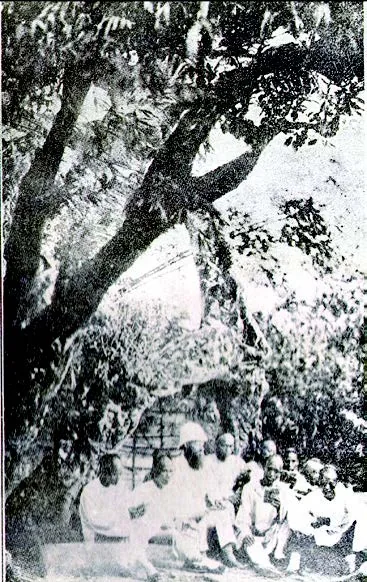
Because there were no school buildings at the time, classes were sometimes held in his home, or as clinical practice at the hospital, and often taught on the spot during his journeys for preaching and medical work. The seashore at Shalun in Tamsui, the great banyan tree at Pali, and the hill where the golf course now stands were all places they often went.
Up to Dr. Mackay's first return home in 1880, these eight years were known as the open-air education period, and were also nicknamed the “Peripatetic School”. This was the pioneering period of the education. There was no formal school system and no teaching material, but it was not merely a rudimentary training of Christian preachers, for Dr. Mackay introduced highly advanced Western ideas of modern education, and the teaching also extended to the natural sciences and the humanities.
Dr. Mackay described this “school under the great banyan tree with the blue sky for a roof” in his writings. He personally led the students in reading, research and investigation, in taking notes and in review tests, and also took them into the field, up the mountains and down to the sea, to collect all kinds of animals and plants and make them into specimens for observation and study. Besides this, the students all had to learn singing, public speaking, debating and other skills; when travelling they had also to learn to meet and interview ordinary people and to teach them, and in the evening they worked together and reviewed what they had done. His “Itinerant College” followed the example of Jesus and his twelve disciples in the Bible.
This tutorial education, laying stress on the influence of character, was connected with the example and inspiration Dr. Mackay had received from the great missionaries and professors of his student days at Princeton and Edinburgh. The students of these eight years numbered 22 in all; all became important workers in church and medical work, and they were moreover the source of teachers for the later Oxford College and Girls' School.
02Oxford College, the birthplace of modern education
At the end of 1880 Dr. Mackay returned to Canada, where he was invited to lecture in many places and report on his missionary experience in Taiwan. The almost legendary results of his mission naturally caused a great stir. Dr. Mackay made a particular proposal: that a school be established in Tamsui to train the people the church and society needed.
The matter at once won strong support from local ministers and from The Sentinel-Review, a newspaper of Oxford County, and a fundraising campaign was launched. At the farewell gathering on 11 October 1881, as Dr. Mackay set out to return to Taiwan, they handed him the 6,215 Canadian dollars they had raised, as funds for building a modern school in Tamsui.
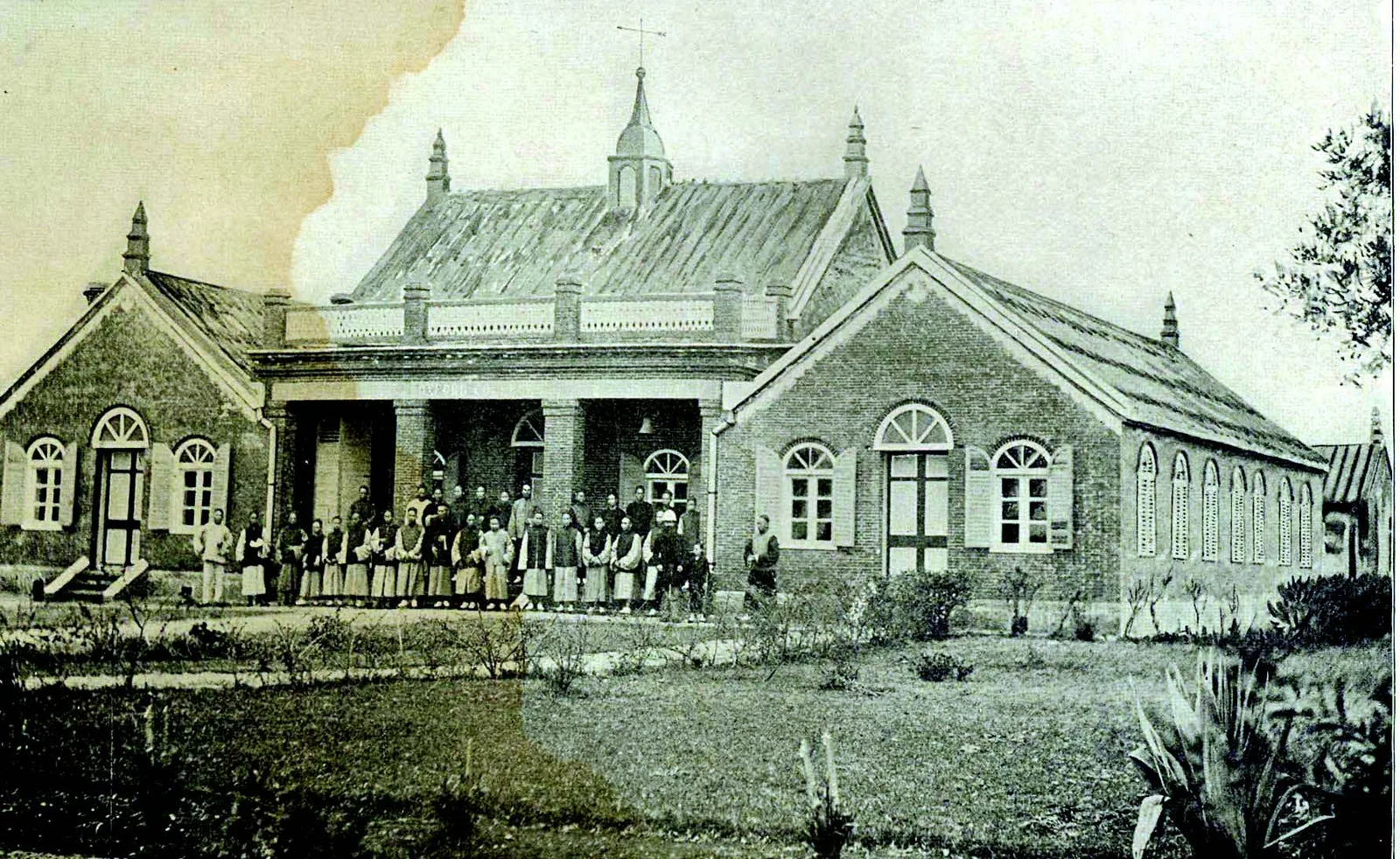
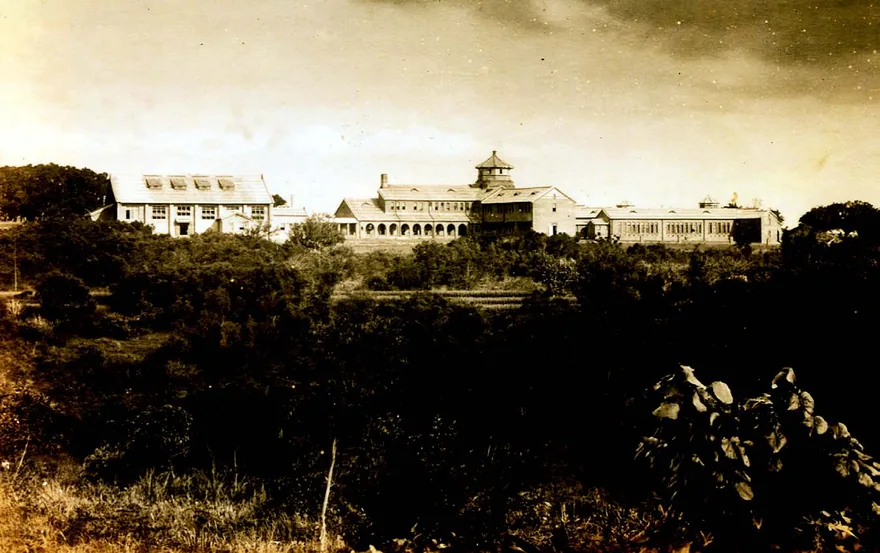
On his return to Taiwan Dr. Mackay set to work at once, buying land on the west side of what is now Tamkang Senior High School, bringing in bricks and tiles from Fujian, and designing and supervising the work himself. In July 1882 this red-brick building of combined Chinese and Western style was completed and opened. It was named Li-hsueh-tang Ta-shu-yuan (理學堂大書院), and in English was called Oxford College, in memory of the generosity of the people of Oxford County, Canada.
The dedication ceremony and the opening of the school were held on 14 September. Besides teachers and students there were church members from many places, the British consul, foreign merchants, foreign officers of the customs service, and Qing officials including the prefect of Taipei. Sun Kai-hua (孫開華), the provincial commander-in-chief representing the authorities, said in his address: “That so small an island as Taiwan should have such a college is truly the finest undertaking in the whole country.” Besides this, Chinese and foreign well-wishers donated funds and equipment to share in the occasion; it may be called an unprecedented event.
There was no entrance examination at the time; the students were selected and recommended by preachers in various places from among several dozen volunteers. Eighteen were admitted in the first intake, and besides Dr. Mackay, who served as principal, the teachers of Oxford College included senior students from the open-air education period and outside teachers of Chinese classical learning.
The teaching at Oxford College was not confined to Christian doctrine and Bible study; it also included astronomy, chemistry, physics, geology, geography, biology, zoology, botany and general natural science, as well as hygiene, anatomy, pharmacology, clinical medicine, physical education, music and arithmetic. The teaching equipment included a lectern, a blackboard, a large map of the world, astronomical charts, a reed organ and a music stand, all rarely seen in Taiwan in the late Qing, and there were also a museum room and a library. In addition, in Dr. Mackay's residence there was a study containing a globe, a kaleidoscope, a camera, scientific instruments of various kinds, specimens and collections, so many that, as he said, they “could make proud scholars bow their heads and haughty officials submit with pleasure”.
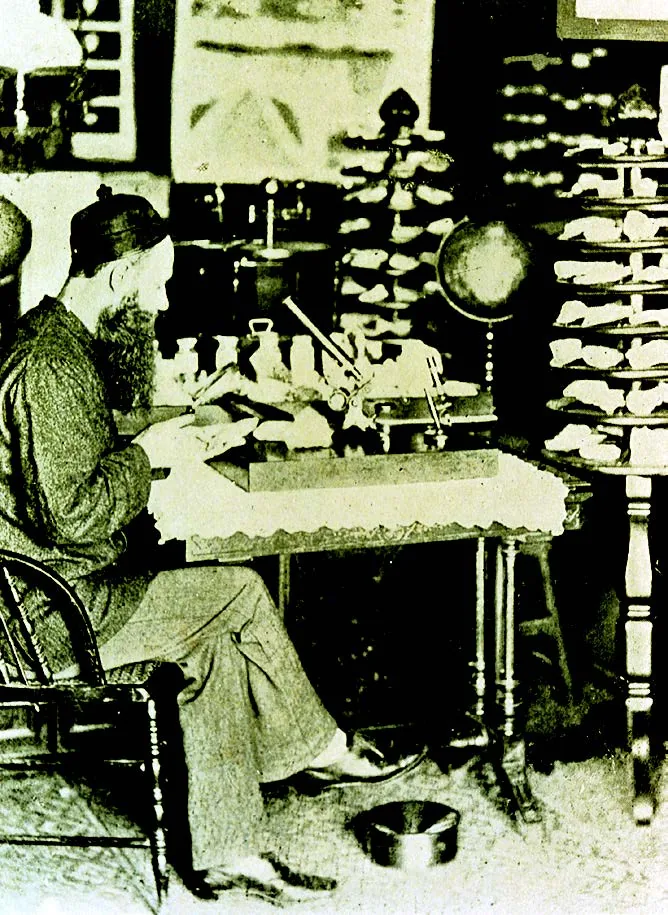
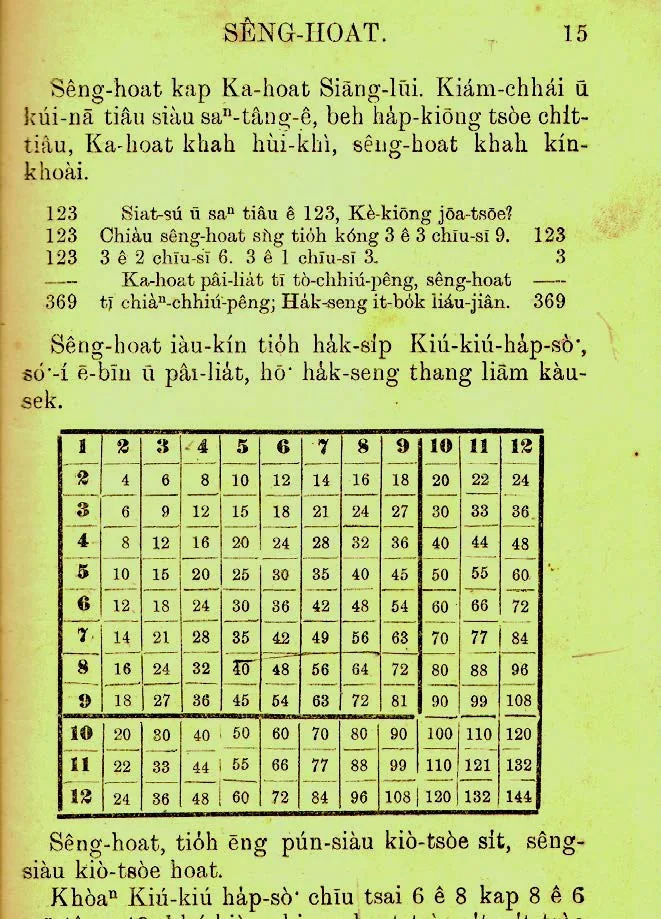
His collection of cultural and natural objects from all parts of Taiwan amounted to more than six hundred pieces. They are now all held in the national museum in Ontario, Canada; in 2001 more than two hundred pieces were brought back to Taiwan for exhibition.
As for teaching methods, besides classroom instruction there was practical teaching in the field, the collecting of specimens, and study trips. Since the students lived in residence, there was an “evening meeting” each night, at which they sang hymns, gave speeches and held debates. Besides imparting knowledge, Dr. Mackay attached still greater importance to education in daily life: he required a clean environment in both classroom and dormitory, and required the students to be neat in appearance and alert in spirit, and to give up bad habits.
Whenever the opportunity arose Dr. Mackay would invite the consuls stationed in Tamsui, foreign merchants, the commissioner of customs, and ship captains, officials, scientists and soldiers passing through Tamsui to give special lectures at the school, so as to broaden the students' knowledge. In its scale and equipment, in the ideals on which it was founded, and in its methods and philosophy of teaching, Oxford College was remarkably advanced for late-Qing China, and truly deserves the name of birthplace of Taiwan's new cultural education.
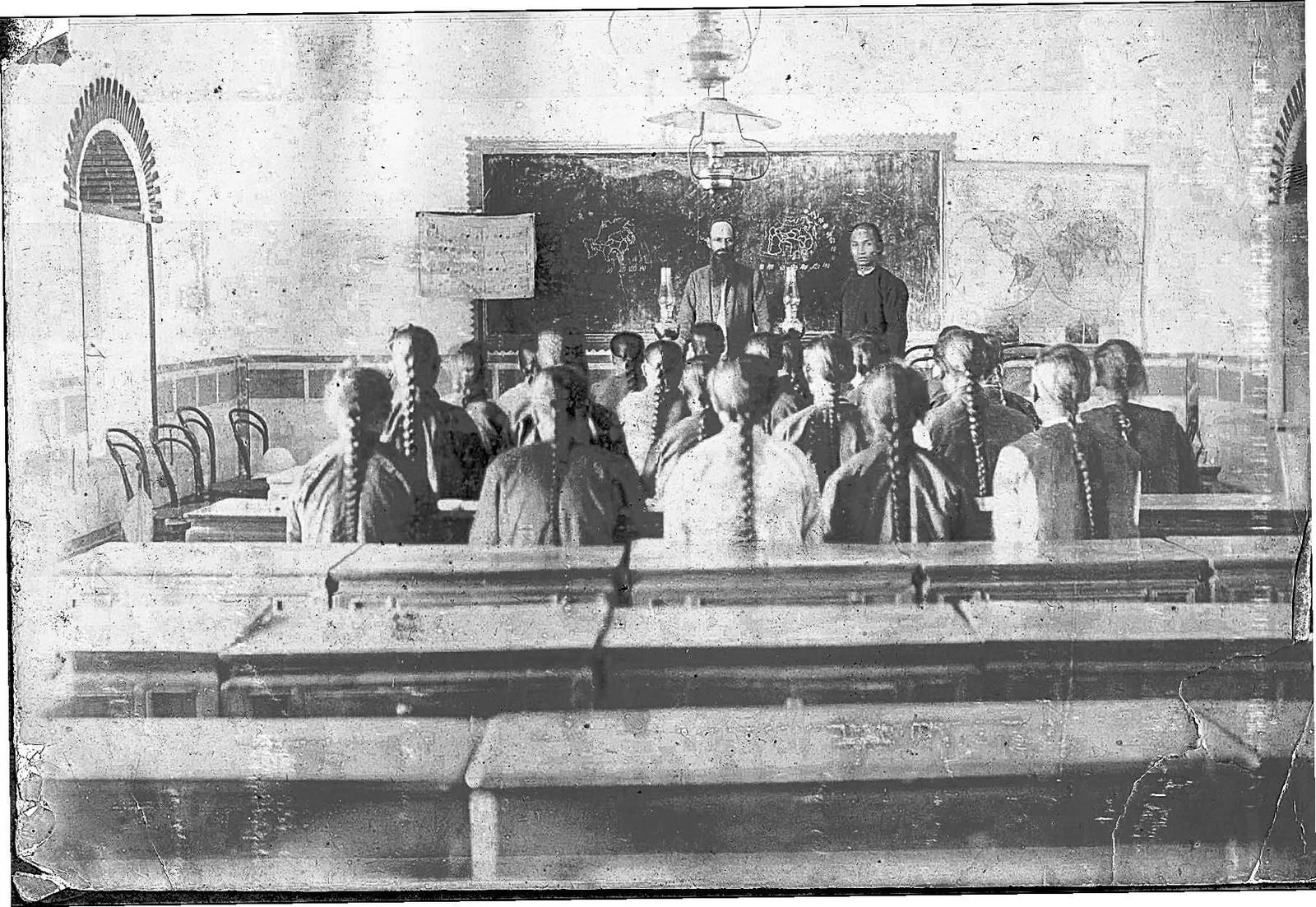
Dr. Mackay described it thus in his book: “The large classroom has four arched glass windows, and at the back a platform and a blackboard the full width of the room. Each student has a desk and chair for his own use. There is a map of the world, several astronomical charts, and a stand hung with cloth on which music is written. The school's equipment can accommodate 50 students…”.
03Tamsui Girls' School, the earliest school for girls in Taiwan
The successful founding of Oxford College encouraged Dr. Mackay to undertake another and still harder educational task — the education of women. Although Western influence had already reached China in the late Qing period, the customs of the traditional feudal society had not changed, and this made the work full of challenges. Dr. Mackay saw for himself the low status of women in Taiwan and their lack of access to knowledge, and for this he sought funds from women's organisations abroad, so that Dr. and Mrs. Mackay and the wife of another missionary, Rev. K. F. Junor (閏虔益), might carry on the education of girls. But because social attitudes were conservative, the results were slight.
In 1883 this ideal of Dr. Mackay's gained the support of the Woman's Foreign Missionary Society of the Presbyterian Church in Canada, which provided a gift of more than three thousand Canadian dollars. In the autumn of the same year, east of Oxford College, work began on the new building of this girls' school; because the work often had to be pressed on late into the night, the students of Oxford College would often sing beside the site to raise the workmen's spirits.
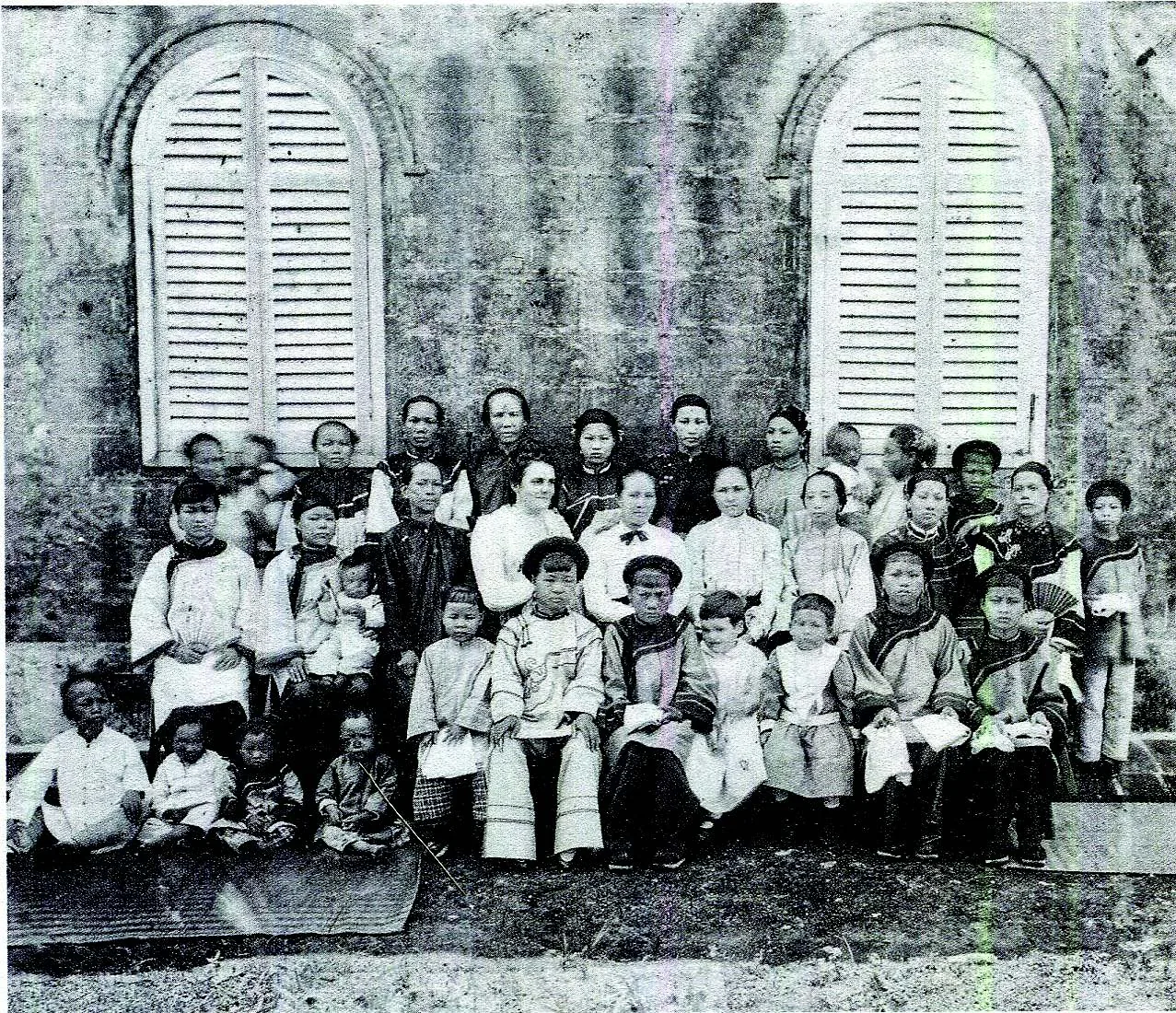
In his book Dr. Mackay spoke of his original purpose in founding a school for girls: “As we held that a school was needed to train male preachers, so we held that a school was needed at some central point where women and girls might live together for several months at a time, under constant supervision and instruction, so as to improve the lives of the older women and to guide the lives of the younger.”
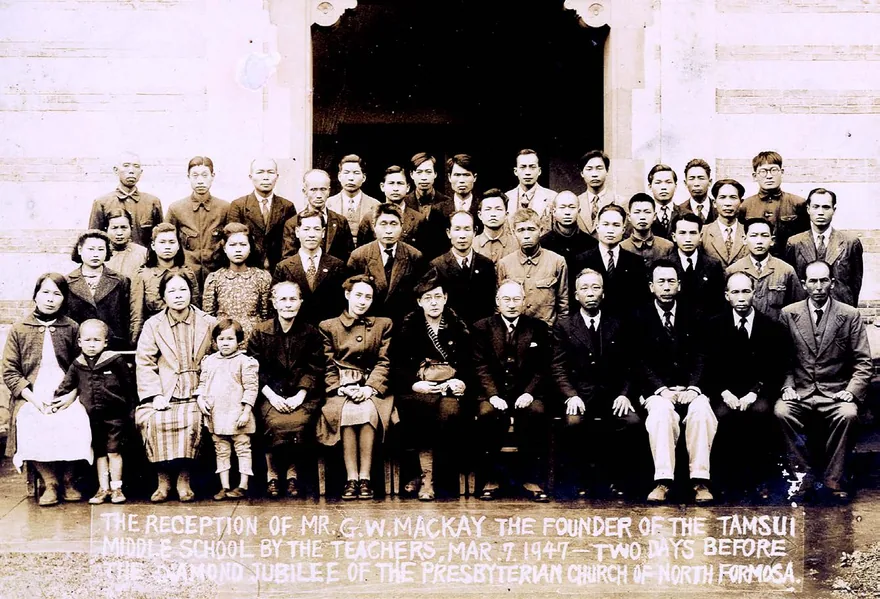
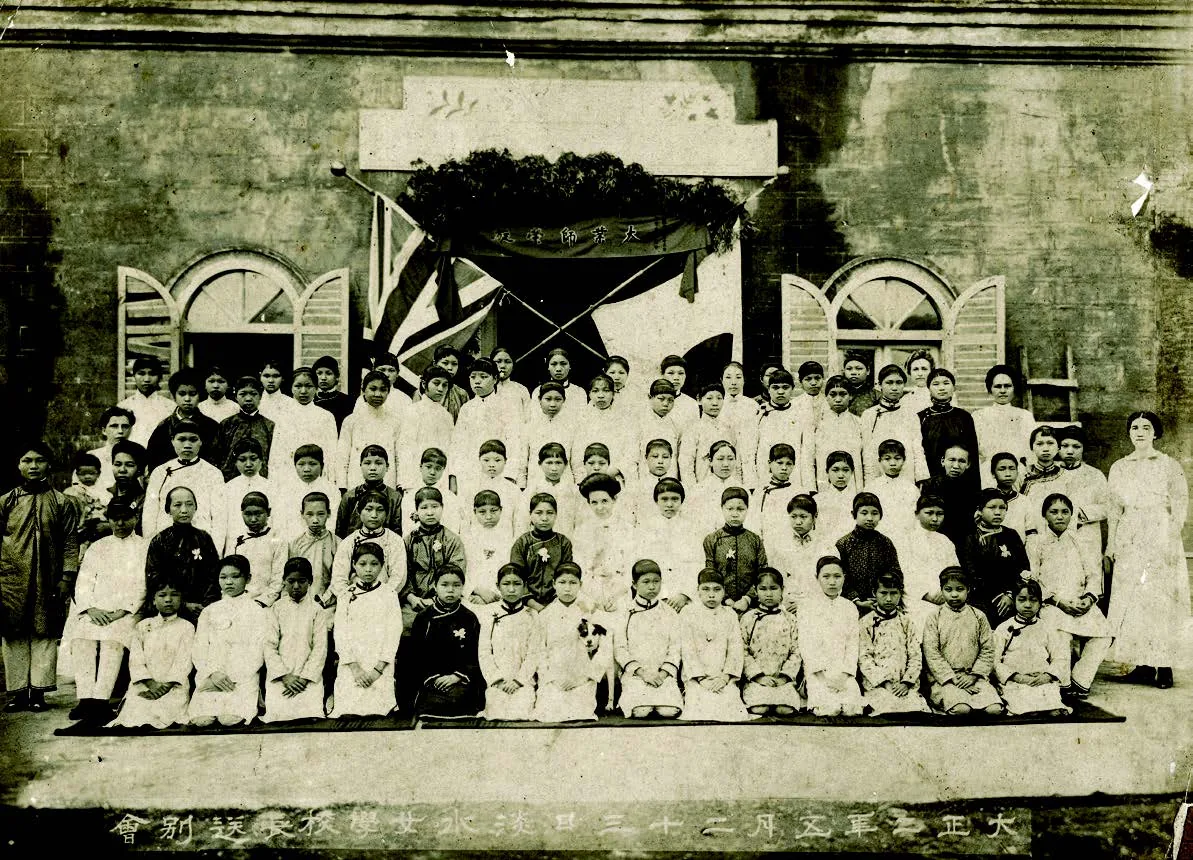
Seated beside Chang Tsung-ming in the picture are Mrs. Gauld (吳威廉師母) and the daughter, Bella Mackay (偕以利).
On 19 January 1884 this “Tamsui Girls' School”, acknowledged as opening the way for the education of girls in Taiwan, formally began its classes. The opening ceremony was presided over by the British consul of the day, and 37 women in all entered the school, most of them Kavalan Pingpu people from Yilan. Although, to encourage women to enrol, the Girls' School charged no fees and provided assistance with travel costs, board and lodging and clothing, the people of Taiwan followed the old moral code and were unwilling for women to appear in public; the notion that “a woman without talent is virtuous” was deeply rooted, and the school moreover had no high wall to protect it, so very few Han Chinese girls came to study. Yet at its largest the Girls' School had as many as eighty students.
Dr. Mackay was principal of the Girls' School as well, with Mrs. Mackay and the wives of several preachers as matrons and teachers, while the teachers of Oxford College also came here to teach. The curriculum included reading, writing, arithmetic, singing, geography, women's skills, Bible history and Bible doctrine. The school basically had no school years and no credit system, and no age limit for admission; to accommodate those women who because of time or economic circumstances could not come to the school to be taught, short “night school” classes were also opened.
04Opening a new page in the education of girls in Taiwan — Tamsui Girls' School
Mrs. Mackay: a pioneer of women's education
Although Western influence had already arrived in the late Qing, the old feudal thinking remained deeply rooted, and in the course of his mission work Dr. Mackay saw the low status of women in Taiwan and their lack of access to knowledge. Mackay therefore sought to change this by training Bible women, and through his own marriage to a Taiwanese woman. Mrs. Mackay, Chang Tsung-ming, had been a child bride in a poor family in Wugu.
Her adoptive grandmother, Chen Ta-sao (陳塔嫂), was the first woman believer in northern Taiwan. Both were pioneers of women's education in Taiwan. Chang's common name was “Chhang-a” (蔥仔); she had gone to the chapel at Wugu to study and to worship, and when Dr. Mackay baptised her he changed her name to “Tsung-ming” (聰明), echoing the sound of “chhang”. This marriage between two countries was arranged by a student of Mackay's as go-between and brought about by Chang Tsung-ming's grandmother Chen Ta-sao. The two were married on 27 May 1878 at the British consulate in Fort San Domingo.
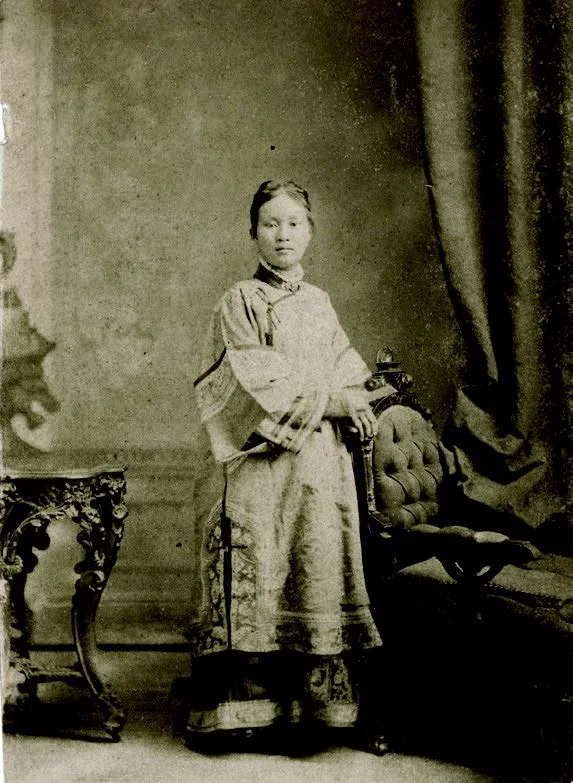
She had been a student of Mackay's, and married him at the British consulate in Tamsui in 1878.
Besides keeping house for Dr. Mackay and bearing and raising their children, Chang Tsung-ming twice went back to Canada with him to report on his work, becoming the “Taiwanese wife” whom everyone crowded to see, and leaving behind many stories still told with relish. In addition, after the Girls' School was founded she took the part of matron and manager, and her influence even extended to the later Girls' School and Women's School (婦學堂).
She played an important part in the later work of women's mission and of the Girls' School, and may be called the first student of the women's school.
The first school for girls in Taiwan
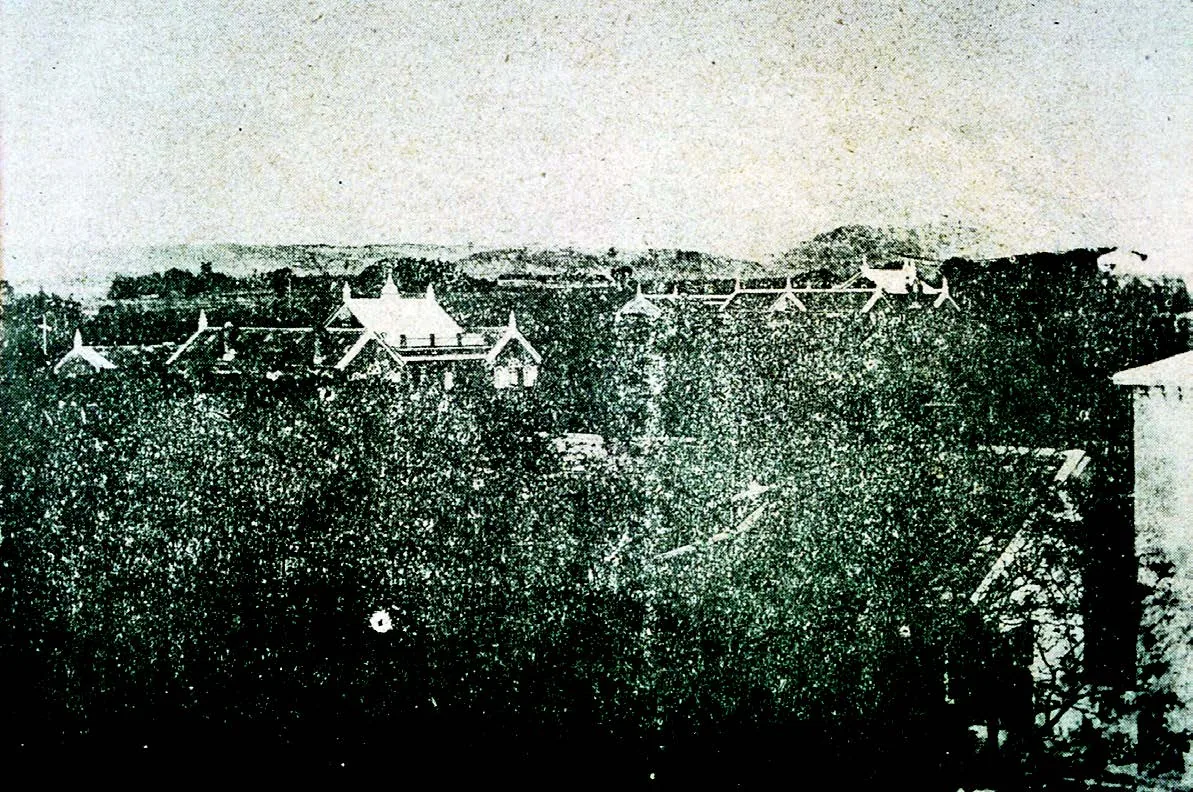
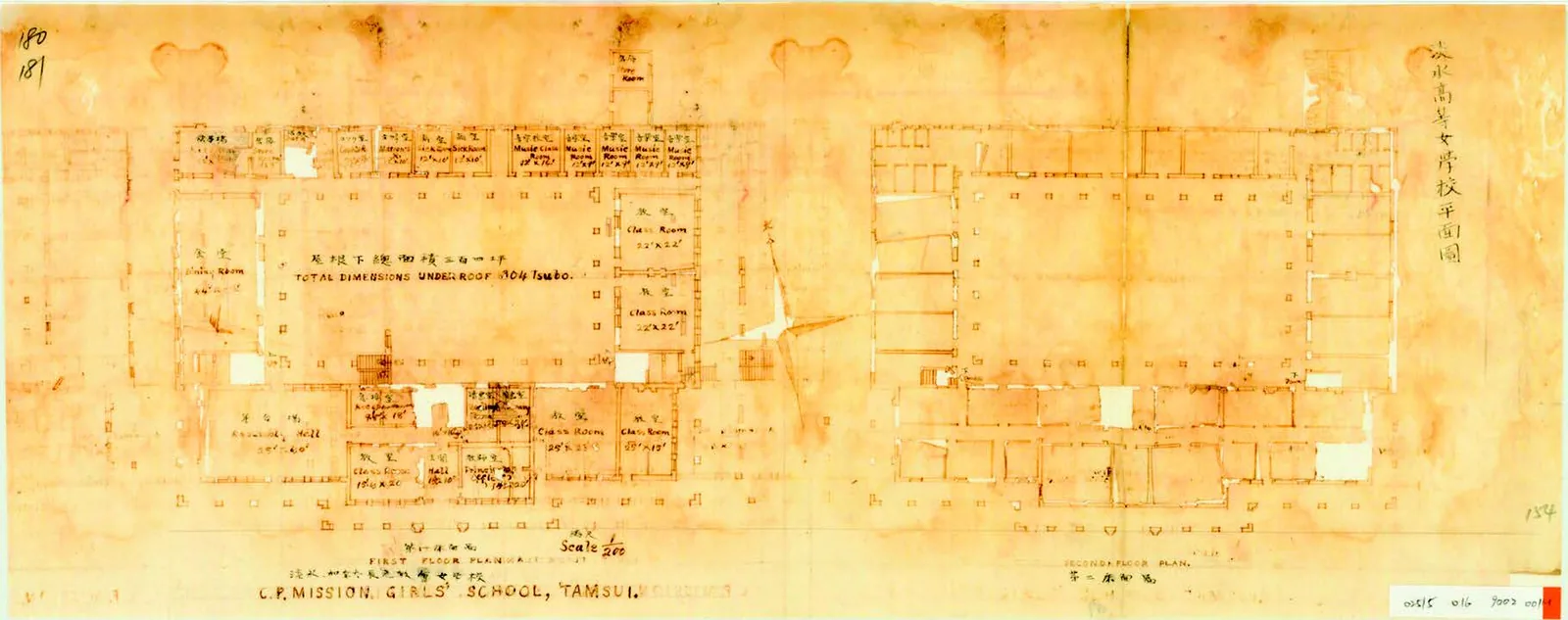
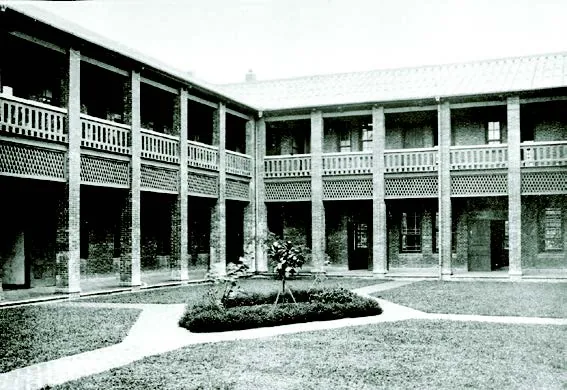
Encouraged by the successful founding of Oxford College, Dr. Mackay set aside all opposition and in 1884 founded Taiwan's first school for girls, “Tamsui Girls' School”, so that the new education might reach girls as well as boys. The building of the Girls' School took eleven weeks to construct, and was a courtyard building extremely similar to Oxford College in scale, method of construction and form. Here too the main entrance led into a large lecture hall, with classrooms in the two wings and dormitories at the rear, and it met Dr. Mackay's insistence on “good light and free circulation of air”.
After Dr. Mackay's death the Girls' School was closed for a time. In order to strengthen the education of women in northern Taiwan for a new age, the Presbyterian Church in Canada selected qualified young women missionaries and sent them to Tamsui, and a second wave of school-building began.
A landmark bearing witness to the education of girls in Taiwan
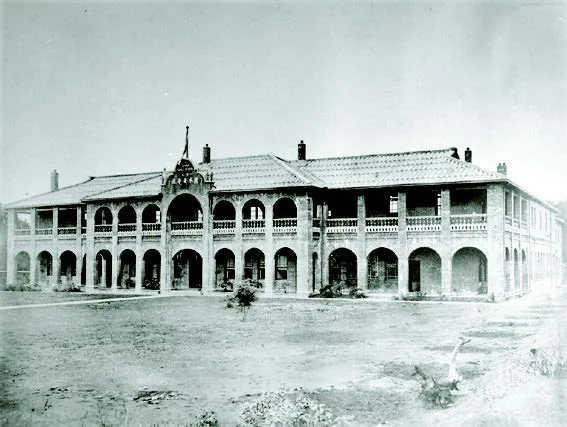
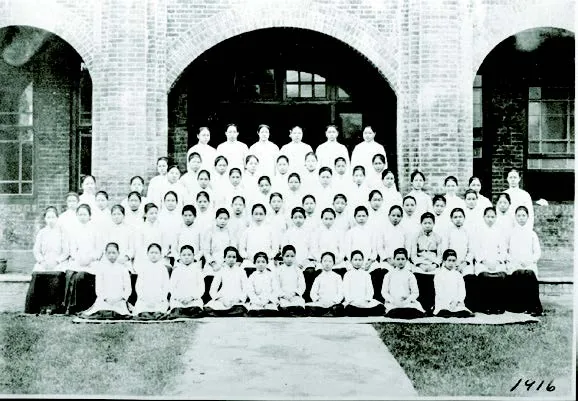
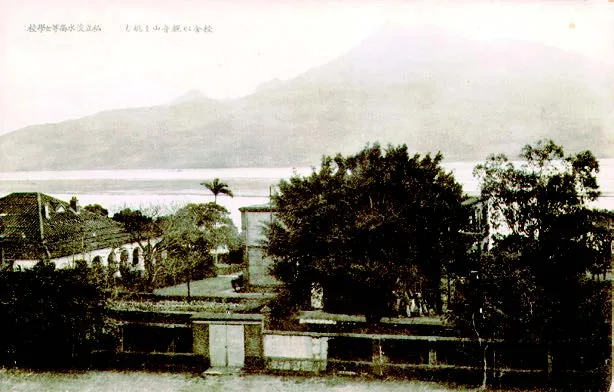
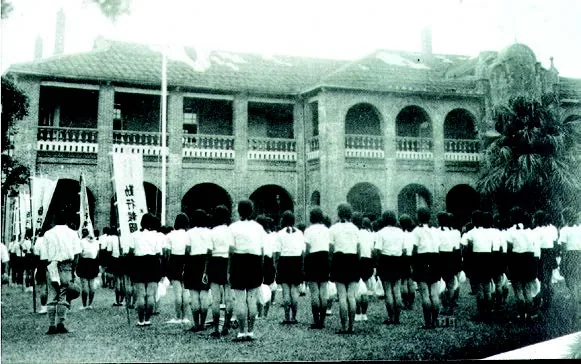
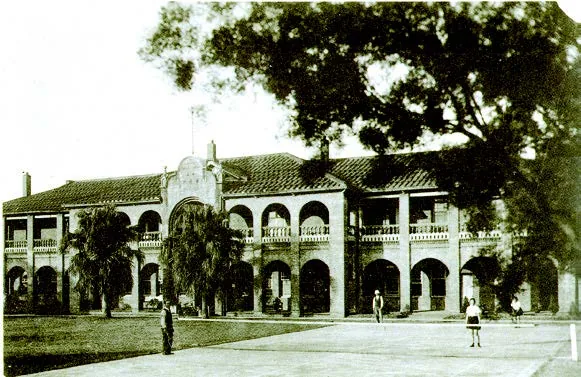
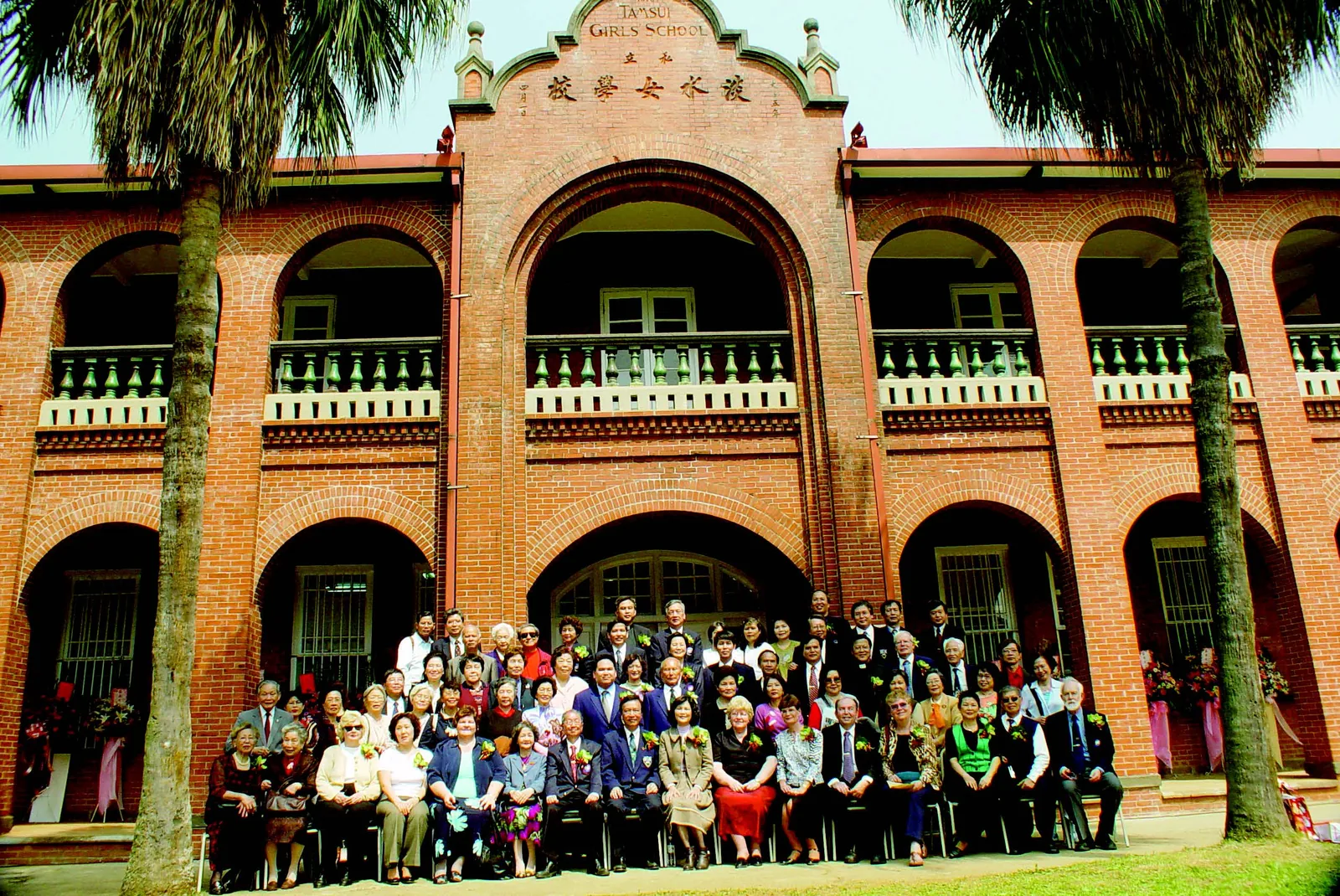
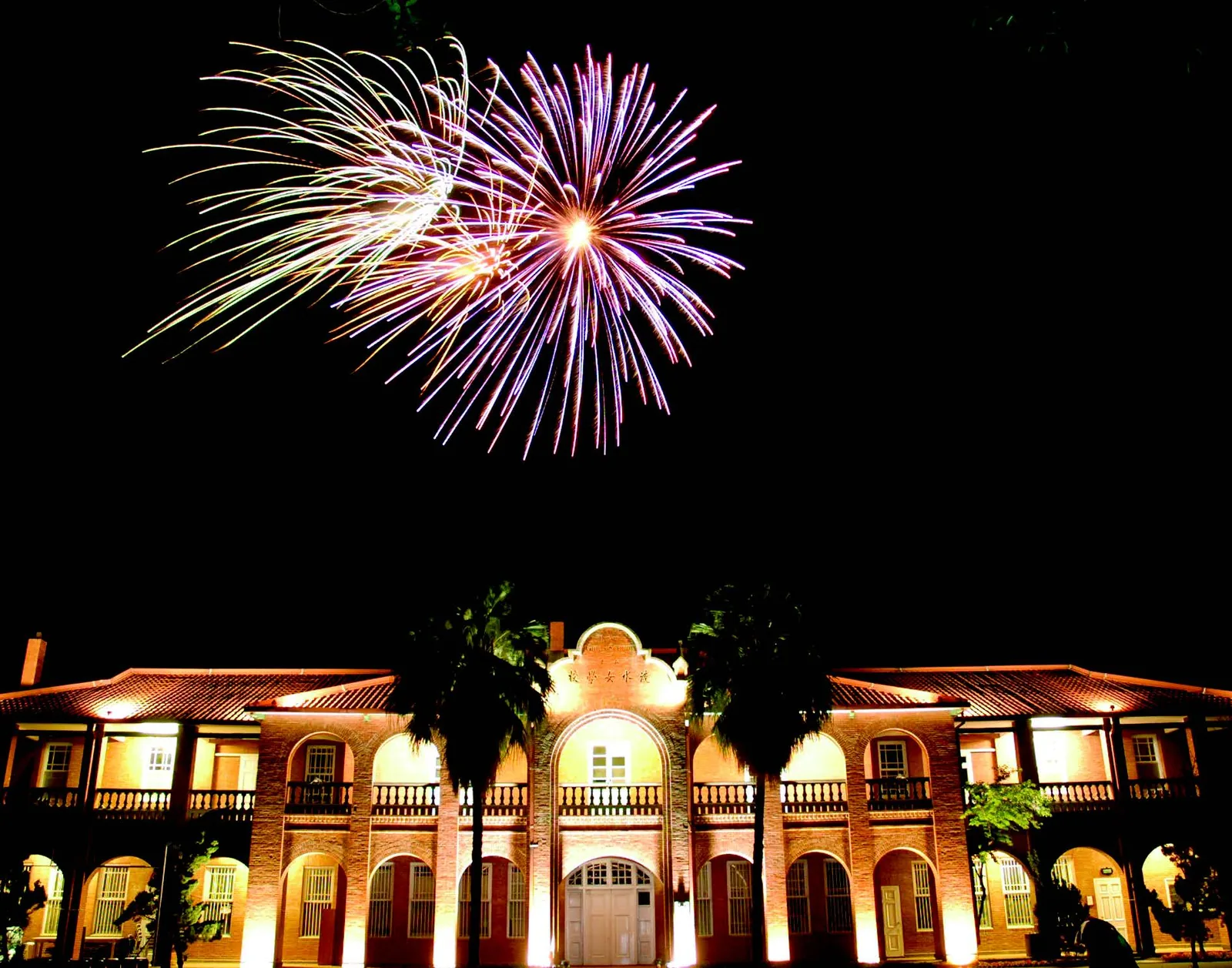
After the Girls' School reopened in 1907, the original Girls' School building erected by Dr. Mackay was no longer adequate, so a new building was put up in 1915 and completed and brought into use in May of the following year. The Girls' School was a two-storey building in courtyard form around a central court, and its handsome brick arcade at the front and green-glazed vase balusters were in the Western style then fashionable in Tamsui. On the front gable the name “Tamsui Girls' School” was carved into the brickwork in Chinese and English. With its secluded, well-planted grounds and its convent-style residential discipline, it was the finest environment for the education of girls in Taipei at that time.
The planning and construction of this building was in the charge of Rev. William Gauld (吳威廉), then the leader of the church in northern Taiwan. Before this he had already completed in Tamsui the Ladies' House (姑娘樓, 1906), the Minister's House (牧師樓, 1909) and the Women's School (婦學堂, 1910), as well as the Beitou church chapel in Taipei (1912) and the former Mackay Memorial Hospital building (1912), all of them much admired.
The school of ministers' wives and teachers' wives
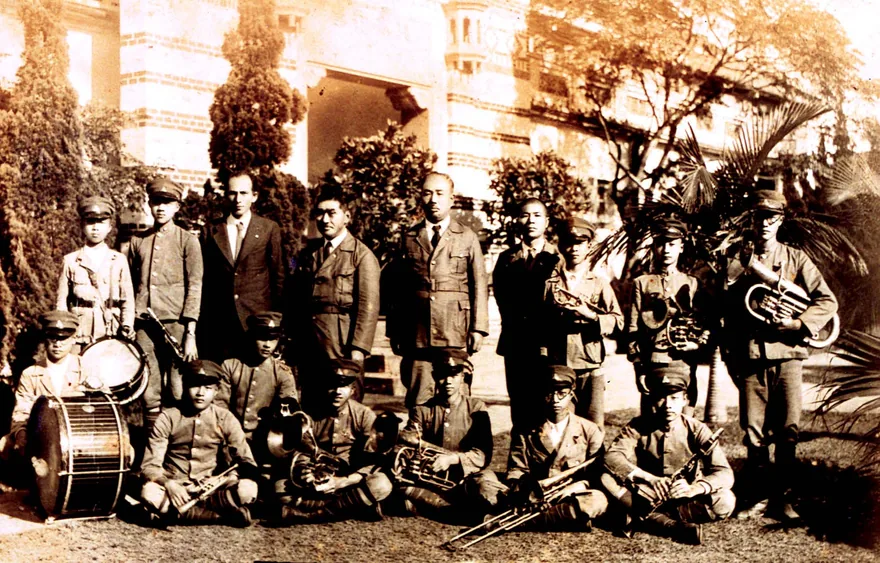
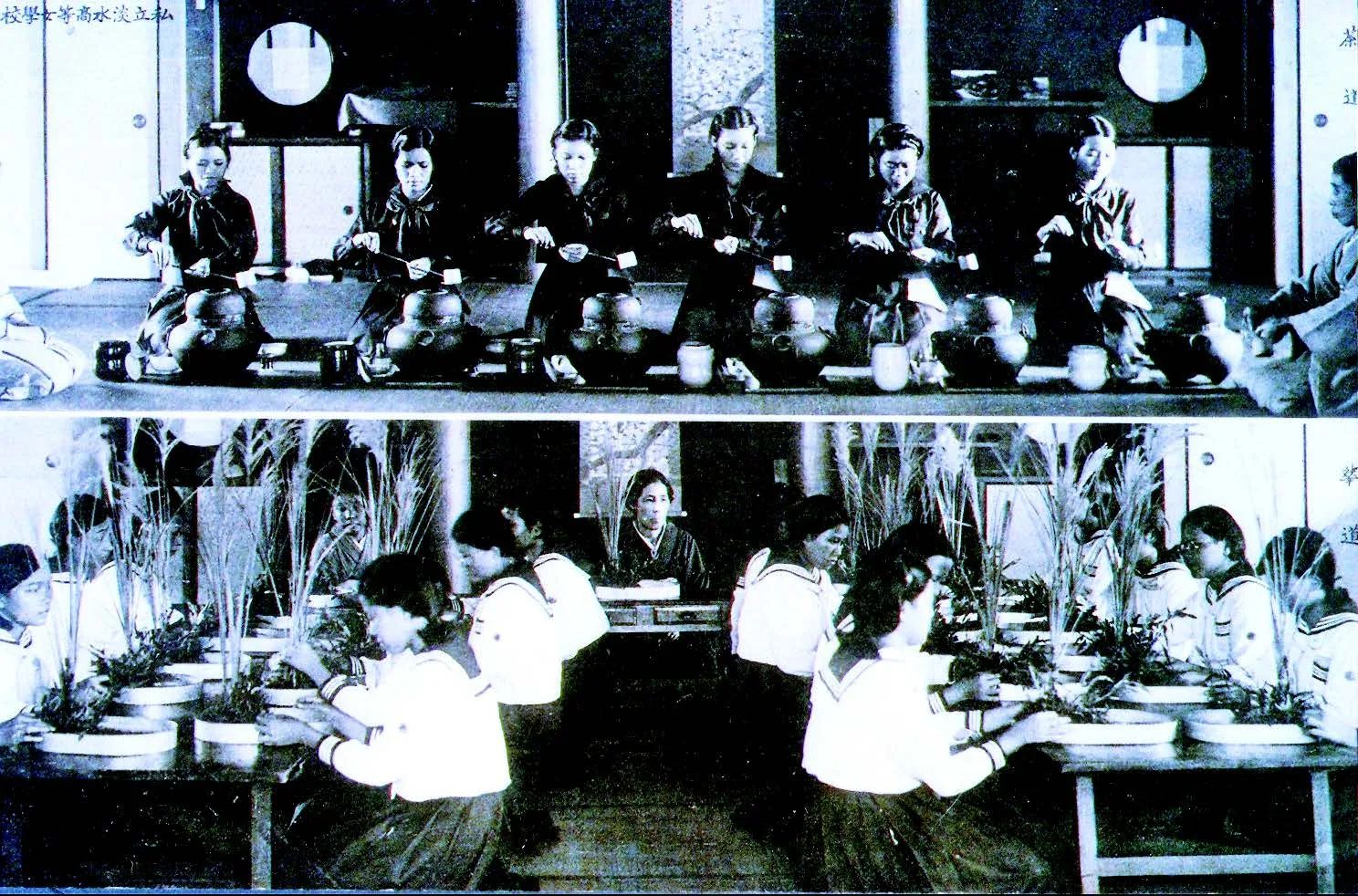
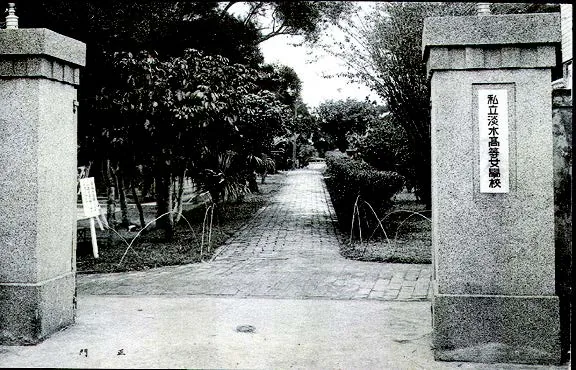
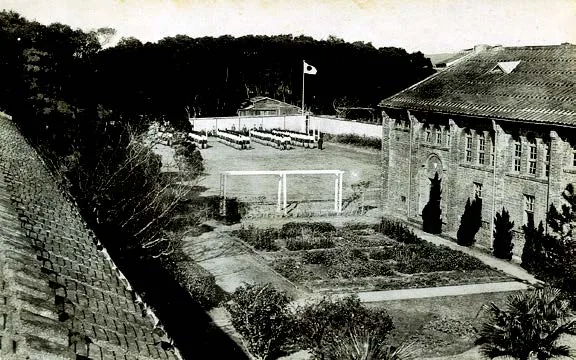
Because Tamsui Girls' School was a private church school, it was hampered and obstructed at every turn by the Japanese education authorities and could not obtain legal registration; as the regulations required, it had to change its name to “Tamsui Girls' Institute”. Tamsui Girls' Institute followed Western-style education, its academic spirit and its campus modelled on schools in Europe and America, and differing from the Japanese middle schools with their imperial-subject education. It was a girls' school sought after not only by church members but by the daughters of prominent families, and was therefore praised as the cradle of “ministers' wives” and “teachers' wives”, enjoying great renown in the Taiwanese society of the day.
After the Japanese took it over by force, Tamsui Girls' Institute was renamed “Tamsui Girls' High School”; the original building was named “Shan Dormitory” (善寮), and together with the adjoining Women's School and Oxford College, which had been turned into girls' dormitories, the three were known as the “Chen, Shan, Mei” — Truth, Goodness, Beauty — dormitories.
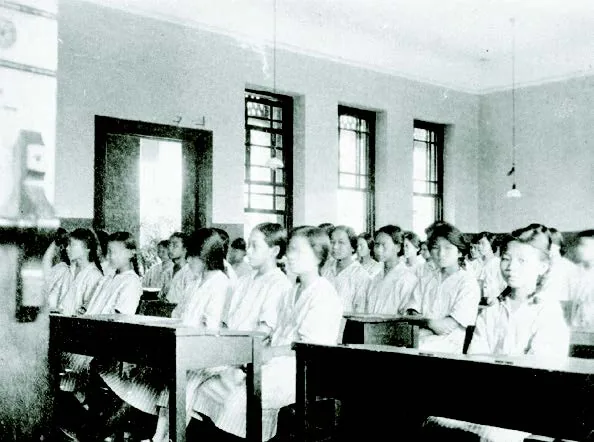
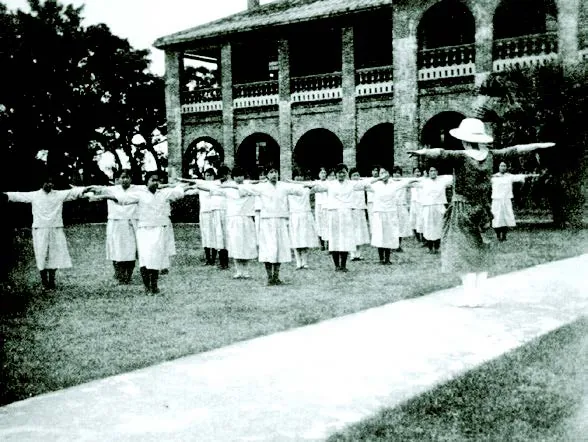
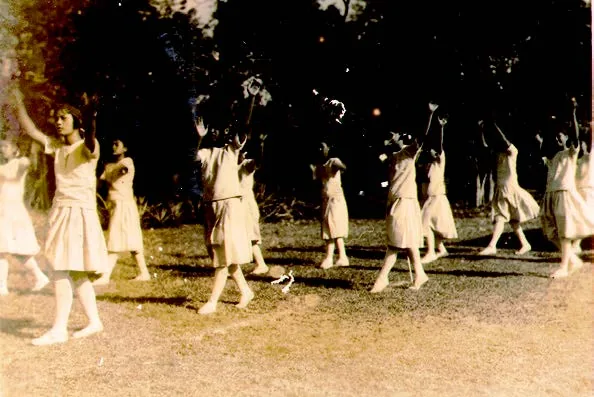
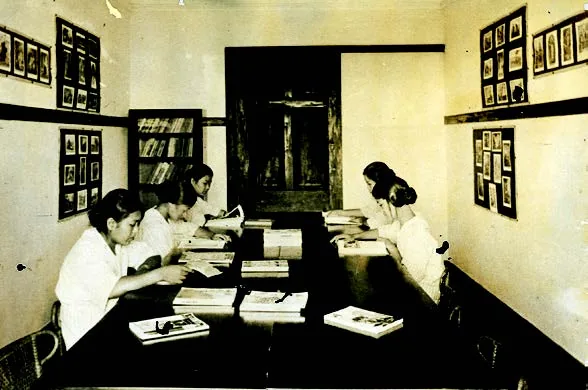
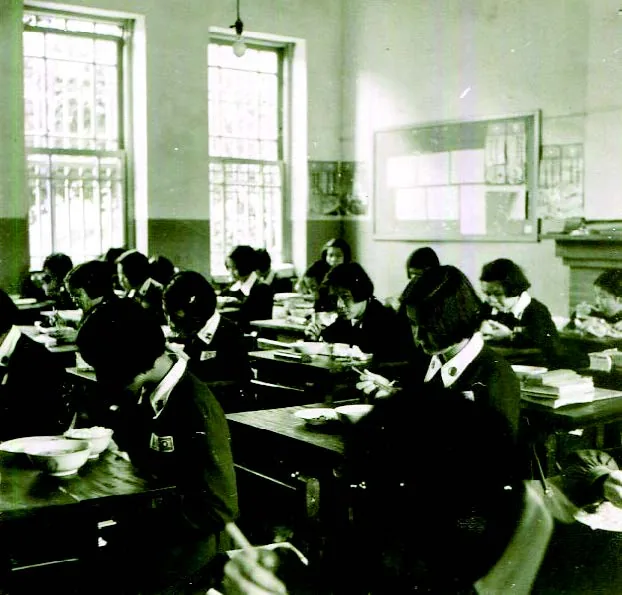
Girls at the high school like eating, not cooking
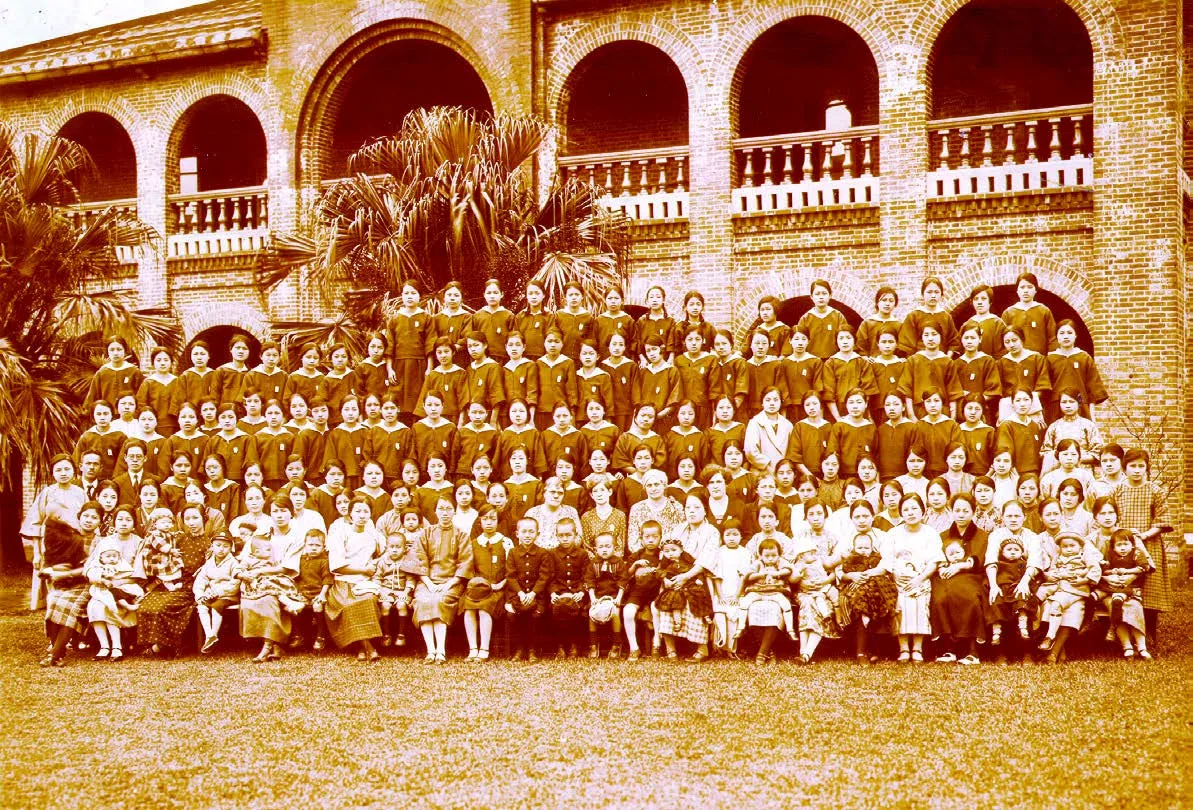
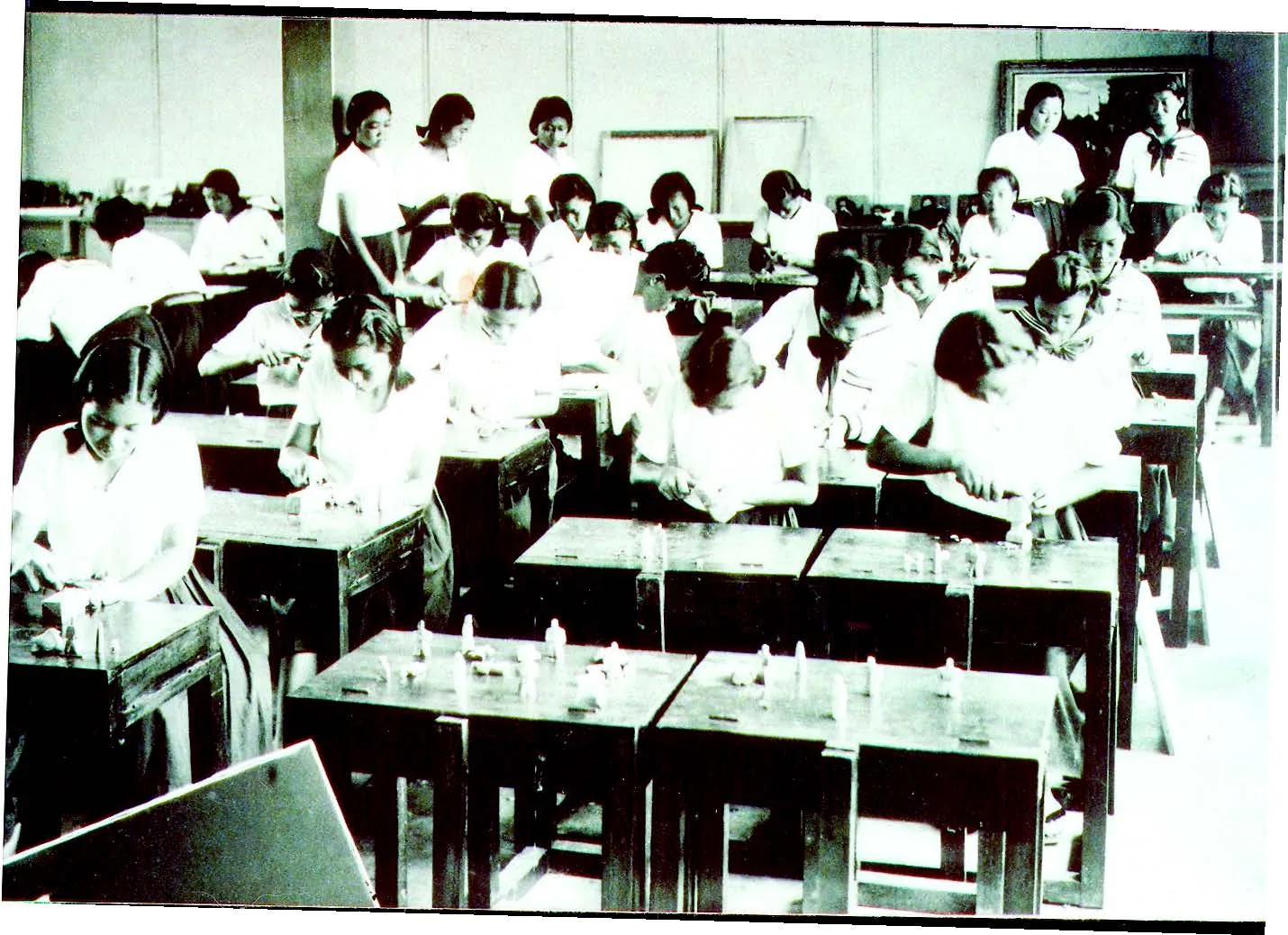
Tamsui Girls' High School was a Taiwanese girls' middle school that won the respect of the Japanese. A girls' middle school was commonly called a “kojo”, and in the Japanese period it was the highest education open to women in Taiwan. To graduate from a girls' high school was far rarer than a master's or doctoral degree today; it was not only the mark of a young lady of good family but enough to bring honour on the household. People in Taiwan at that time often used the saying “girls at the high school like eating, not cooking” to describe these pampered “daughters of heaven”.
In fact, although the students of Tamsui Girls' High School lived up to their school motto, “gentle, good, chaste and virtuous”, with the traditional qualities of outward grace and inward wisdom, they also had a martial spirit and the wish of women to match men. That, together with the historical tradition of a church school and the romantic setting for study that was Tamsui, allowed those who lived in this handsome red-brick building to unfold a colourful page of their own.
The bride school: Chun Te Girls' Middle School
After the Second World War Tamsui Girls' High School returned to the Presbyterian Church in Taiwan and, in response to new government regulations, was renamed “Chun Te Girls' Middle School”. Besides brilliant results in physical education, in which it led the way for women's basketball in Taiwan, it also developed towards music, fine art, home economics and early childhood care — the so-called “bride school”. Unfortunately the times did not allow it, and in the end this did not come to fruition. Chun Te Girls' Middle School nevertheless remained a church school throughout, with an education that valued the forming of character and the worth of life. In those unsettled times and in that educational climate it stood alone, and is still spoken of with pleasure today.
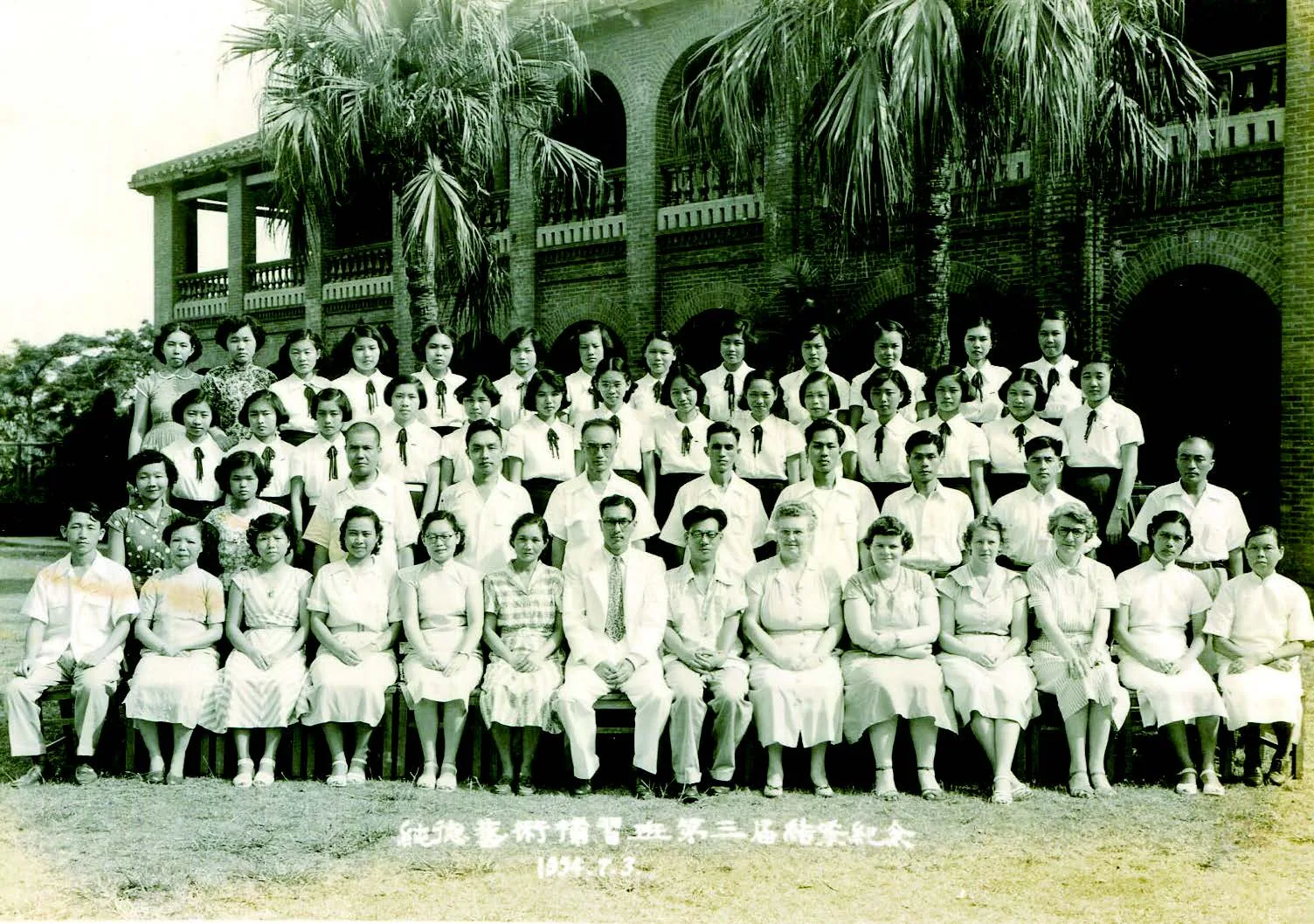
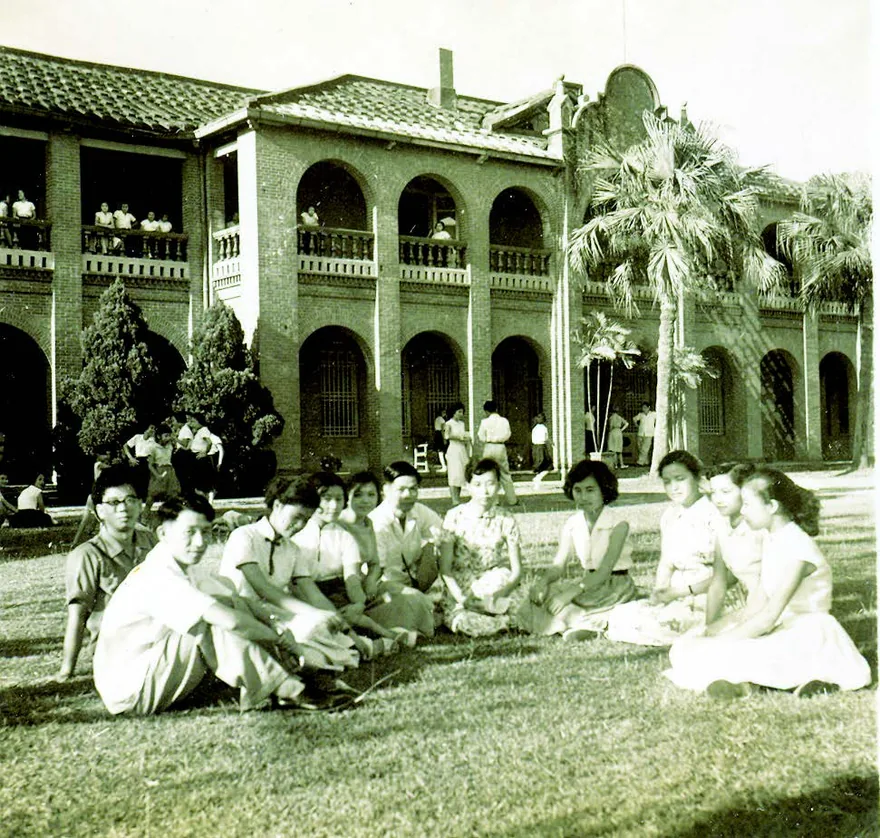
Girls' dormitory · Chun Te Kindergarten
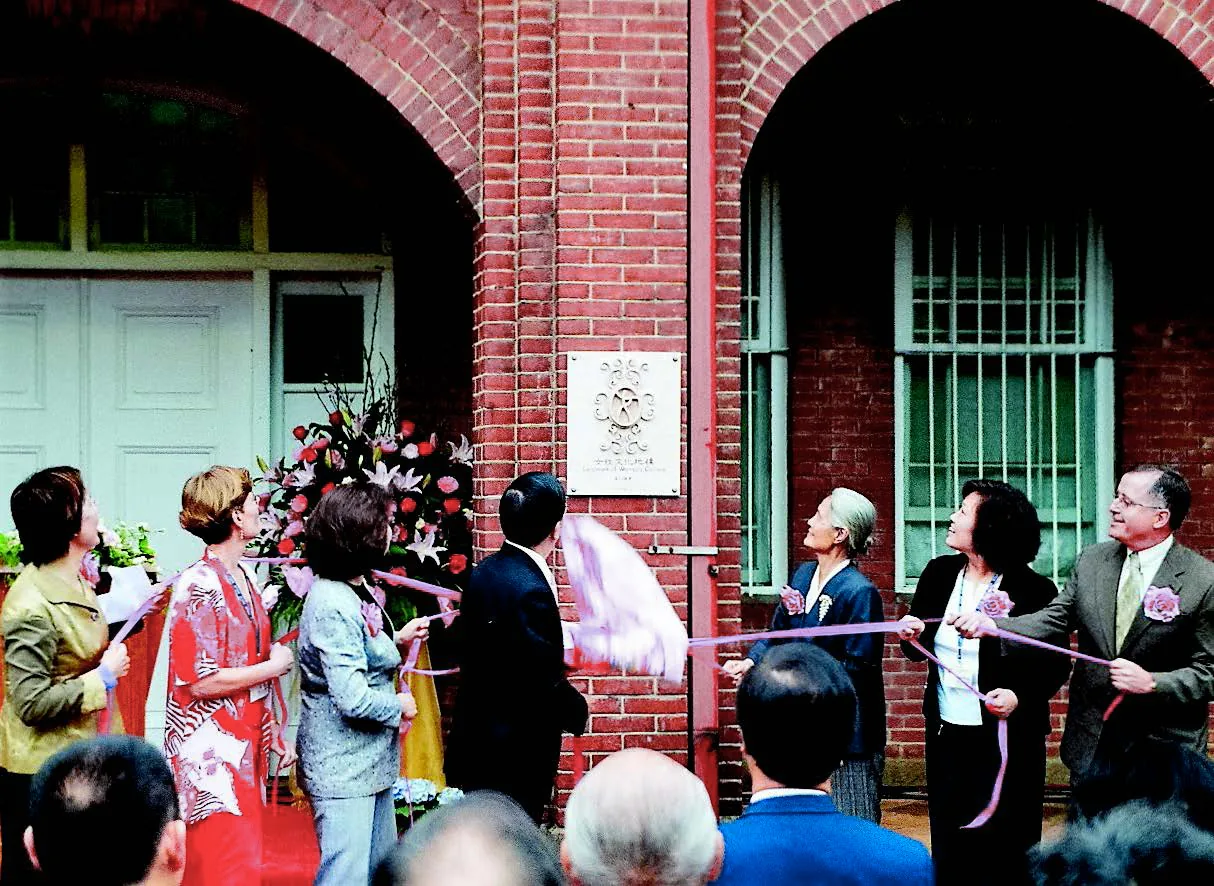
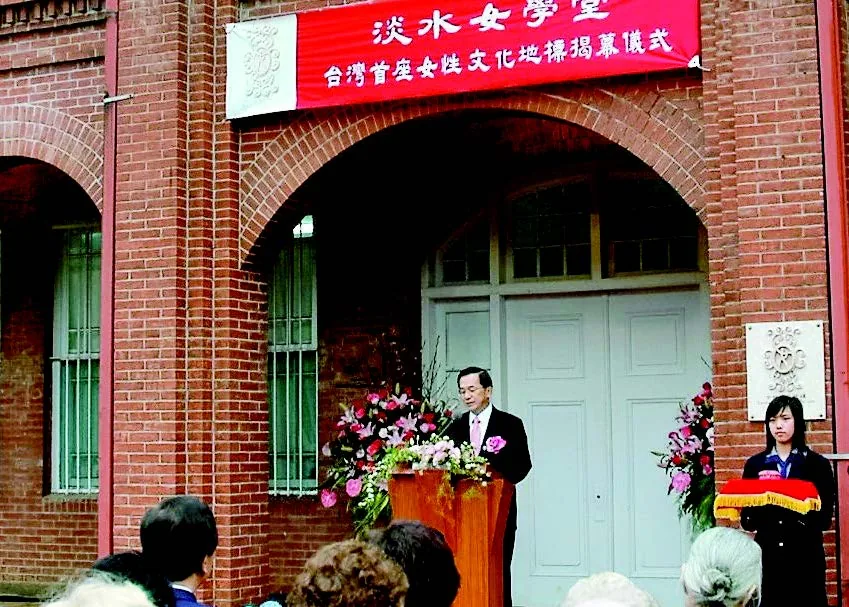
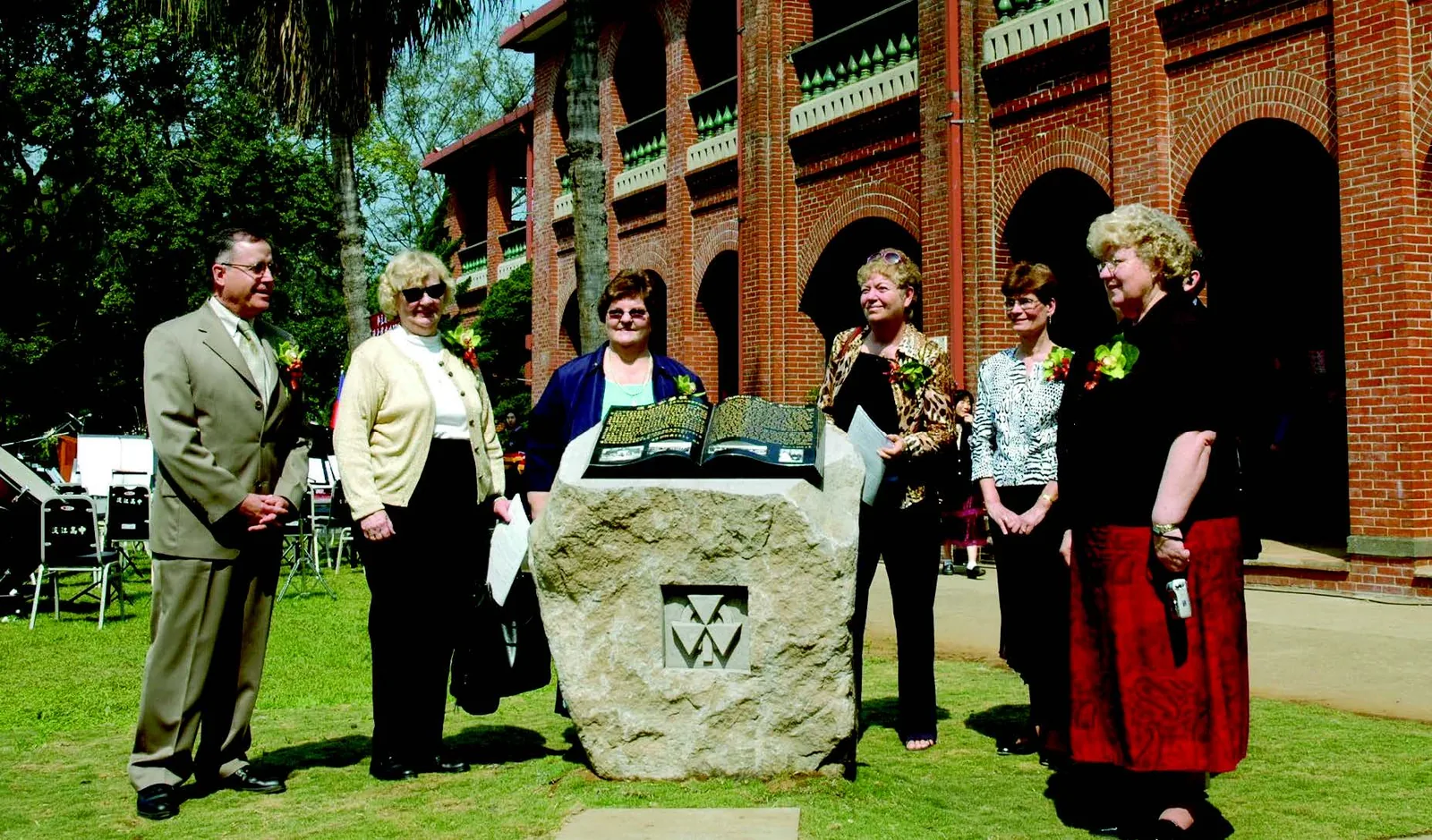
After Chun Te Kindergarten moved out, the Chun Te Building stood empty for several years, and was later used for junior high school classrooms, the music class office and a self-study room. In 2006 the school held anniversary celebrations for the 90th year since the completion of the Girls' School building. The General Association of Chinese Culture, then headed by President Chen Shui-bian, decided in connection with this to place here the country's first Taiwanese “Landmark of Woman's Culture”. President Chen Shui-bian came in person on 8 March to preside at the unveiling, confirming this century-old building in its historical place as “the first school for girls in Taiwan”.
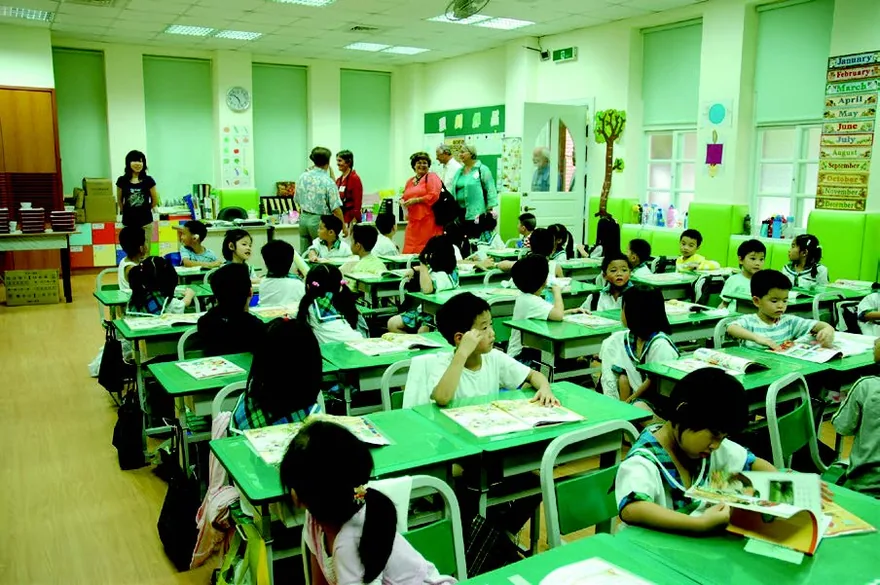
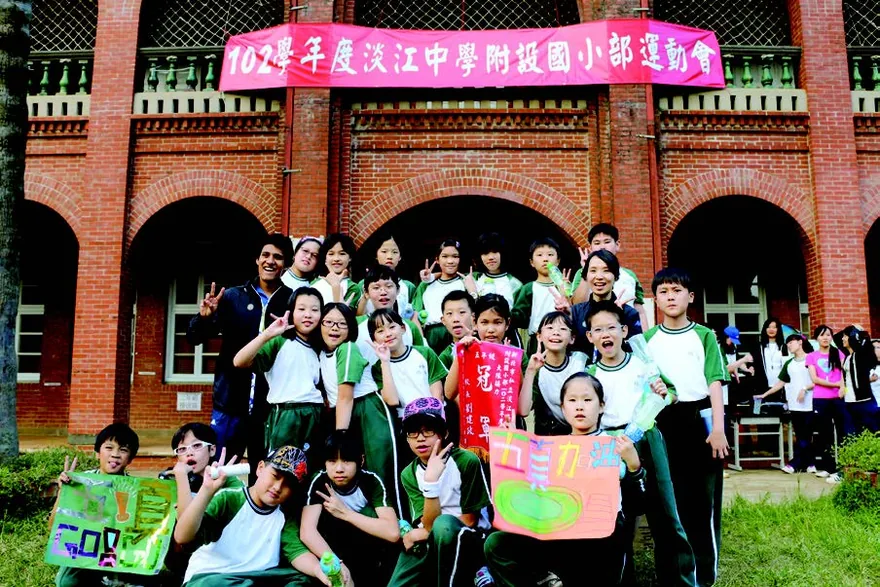
In 2007, in response to changes in Taiwan's educational environment and the impact of the falling birth rate on Tamkang's work, the school made the historic decision to add a primary school section. The “Chun Te Building” was to serve as the primary school building, and this began the largest renovation since the Girls' School building was completed. Besides the preservation and repair of the historic fabric itself, the interior fittings were made entirely modern, meeting the government's building regulations for primary schools. Enrolment and the opening of school followed in July of the same year, and the Girls' School building entered the era of “Chun Te Primary School”.
The spiritual stronghold of generations of Tamkang women
Today this Girls' School building has served the students of Tamkang for more than a hundred years. During that time the name of the school has changed again and again: Tamsui Girls' School (淡水女學堂), Tamsui Girls' School (淡水女學校), Tamsui Girls' Institute, Tamsui Girls' High School, and Chun Te Girls' Middle School; in function too it has gone from Girls' School classrooms to girls' dormitories, a kindergarten, and today the classrooms of the primary school section. More important still, it has not only borne witness to the development of the education of girls in Taiwan, but has been the spiritual stronghold of generations of Tamkang women.
The Girls' School building is now more than a hundred years old. So long as this historic building stands on the Tamkang campus, the story of more than two cycles of sixty years of the education of girls, since Mackay founded the Girls' School, will go on being told at Tamkang Senior High School, and will never cease.
The five chapters
In order of time.