Dr Mackay
In search of Dr MackaySeeking the Roots of Mackay
Translated from the gallery’s own Chinese text. Where the two differ, the Chinese is the record.
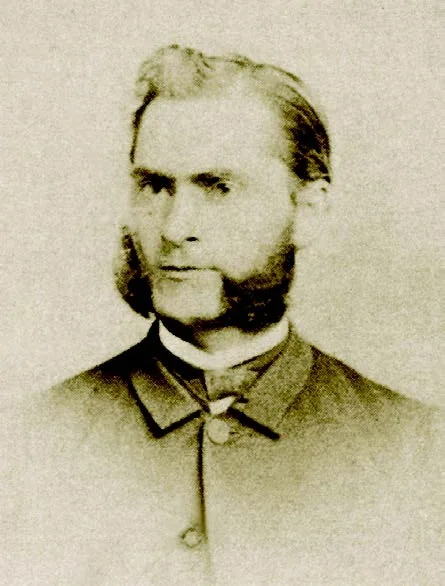
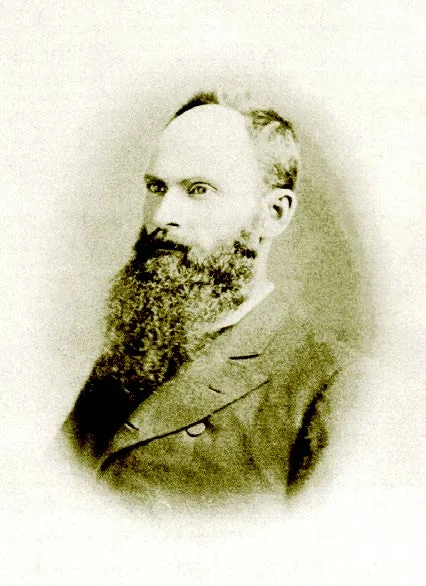
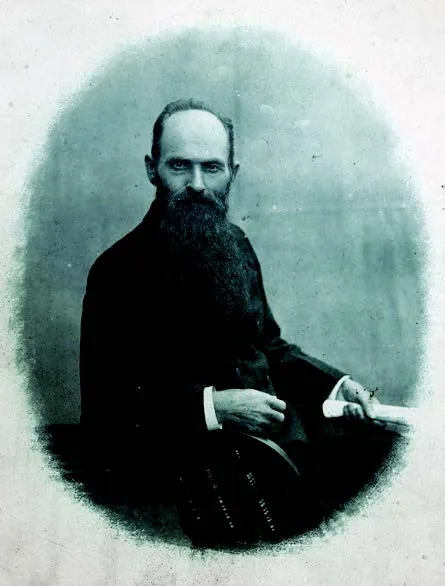
01The Founder of Tamkang Senior High School — Dr. George Leslie Mackay
Dr. Mackay arrived in Tamsui just as it was opening as a treaty port, and he made the place his home and the base for his missionary, medical and educational work in Taiwan. Over nearly thirty years, Dr. Mackay not only propagated the Christian faith and established the Presbyterian Church in Northern Taiwan; he also spread Western culture, and the hospital and schools he founded became milestones in Taiwan's modernization. He had a profound influence in enlightening the people, opening minds and changing social customs, and made an indelible contribution to the modernization of Taiwanese society in the late Qing period.
02Canada's First Overseas Missionary
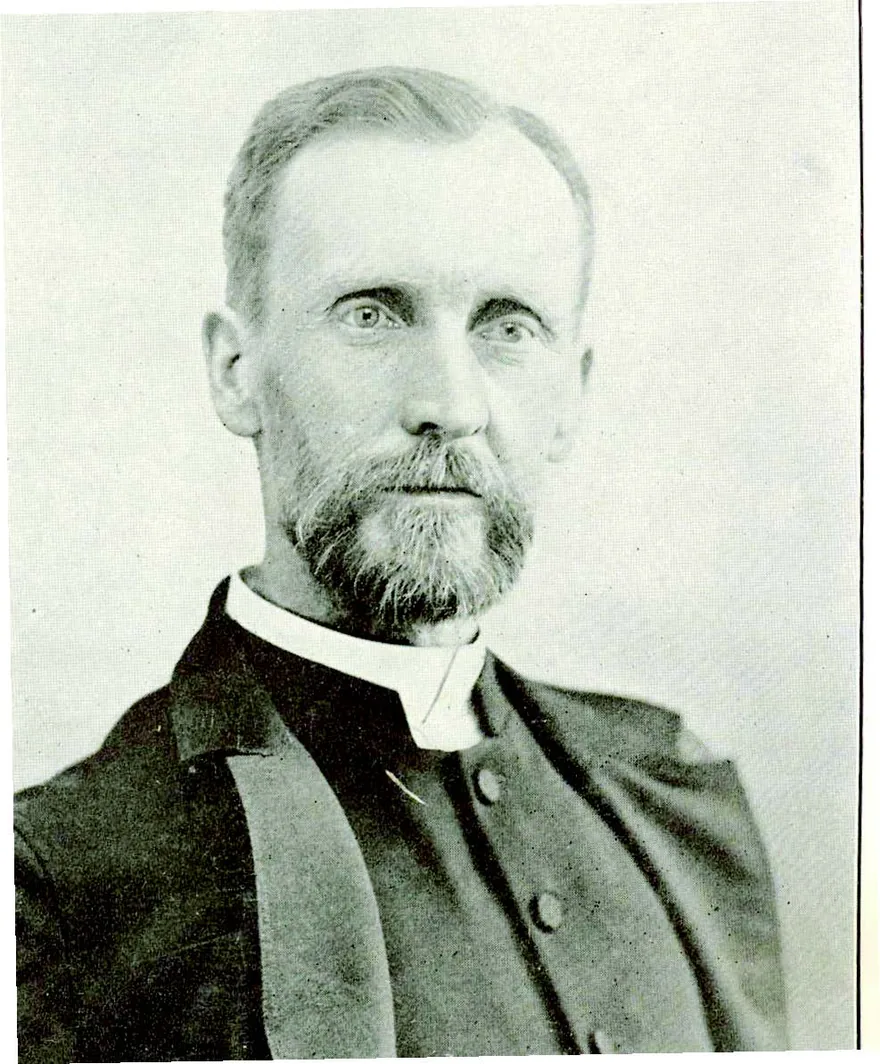
Dr. Mackay (Rev. George Leslie MacKay, D.D.) bore the Chinese name Kai Jui-li (偕叡理), and church members addressed him respectfully as “Pastor Kai” (偕牧師).
March 21, 1844
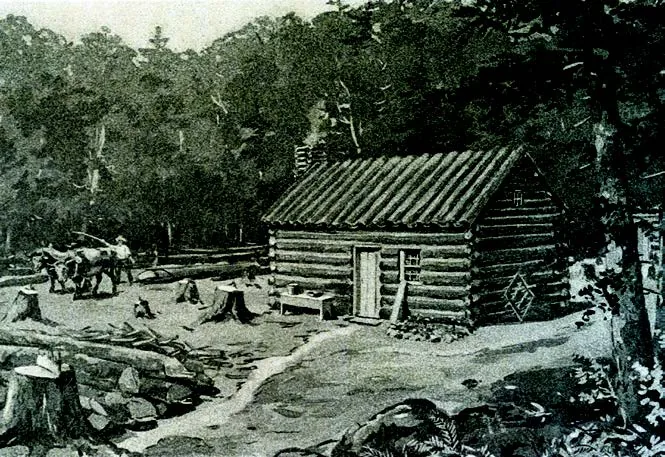
Pastor Kai was born into a family of Scottish immigrants in the village of Zorra, Oxford County, Ontario, in British Canada. He grew up in a pioneer environment, and at the age of ten, in the small chapel of his home town, he heard a British missionary newly returned from mission work in China give a talk; moved by it, he resolved that he too would go to China as a missionary.
After graduating from a normal school and serving for several years as an elementary school teacher, Rev. Mackay went on to study at the universities of Toronto, Princeton and Edinburgh. He never abandoned his original intention of going to China as a missionary, and after repeated applications he was at last commissioned by the Canadian Presbyterian foreign mission board at the age of 26, becoming the first overseas missionary of the Presbyterian Church in Canada.
October 1871
He took leave of the elders of his home town, travelled by train to San Francisco in the United States, then crossed the Pacific and reached Hong Kong by way of Japan. To choose a place to work, he made exploratory visits to Guangzhou, Shantou and Xiamen in China, and at the end of the year he reached Taiwan, landing at the port of Takow (present-day Kaohsiung). Since the English Presbyterian Church had already begun work in southern Taiwan from Xiamen in 1865, while northern Taiwan, densely populated and developing rapidly, had no Christian preaching and no church, Dr. Mackay, on the recommendation of the missionaries in the south, resolutely decided to go to northern Taiwan.
March 9, 1872
Dr. Mackay entered the port of Tamsui at three in the afternoon aboard the steamer Hailung. Drawn by the beautiful scenery of Tamsui, he decided to make the place the base for his later mission work in Taiwan. He then immediately set out with the British missionaries who had accompanied him north on a walking journey of a full month through central Taiwan, in order to learn about the land and customs of Taiwan. On returning to Tamsui, Dr. Mackay rented a house on a street in Tamsui that had been intended as a stable and fitted it out as his residence, so that he could live among the people; it also served as a place for worship, for practising medicine and for teaching. At the same time he took every opportunity to learn colloquial Taiwanese from the herd boys of the countryside, and began his missionary work.
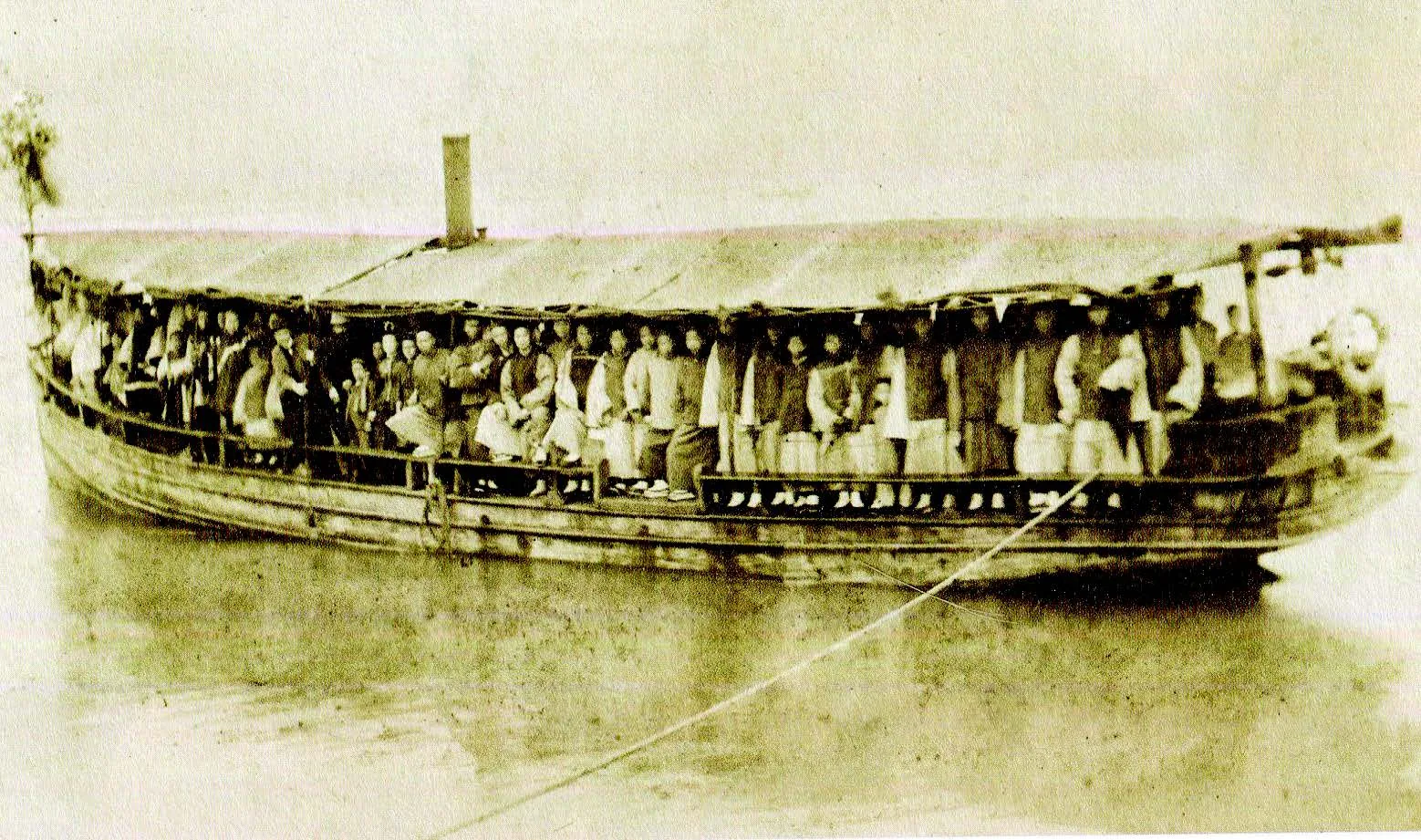
At that time Tamsui had only recently been opened to foreign trade; Chinese and foreigners lived side by side, the setting was complicated, and the great differences in culture, economy and politics gave rise to frequent conflict, while popular hostility to foreigners ran high, so that Dr. Mackay's missionary work was extremely hard going. But with unmatched patience and perseverance, together with his zeal for serving the people, Dr. Mackay gradually overcame the suspicion and rejection he met with, and drew closer to the Taiwanese people.
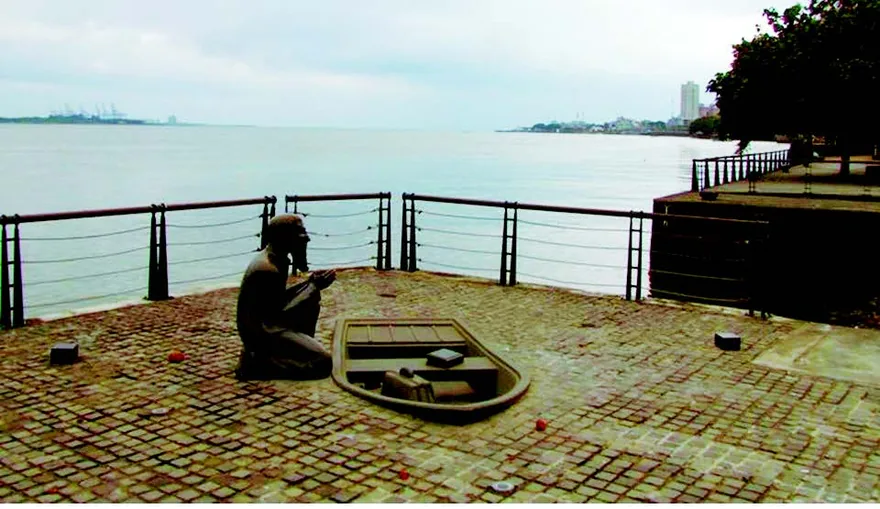
February 1873
After Dr. Mackay baptized five believers in Tamsui and established the first church in northern Taiwan, in the eight years up to his furlough to Canada in 1880 he opened twenty churches, among them churches in several of the main towns of Taipei, including Bangka and Dalongdong, famous for their hostility to outsiders, as well as Xindian, Sanxia, Sikou (Songshan) and Xinzhuang.
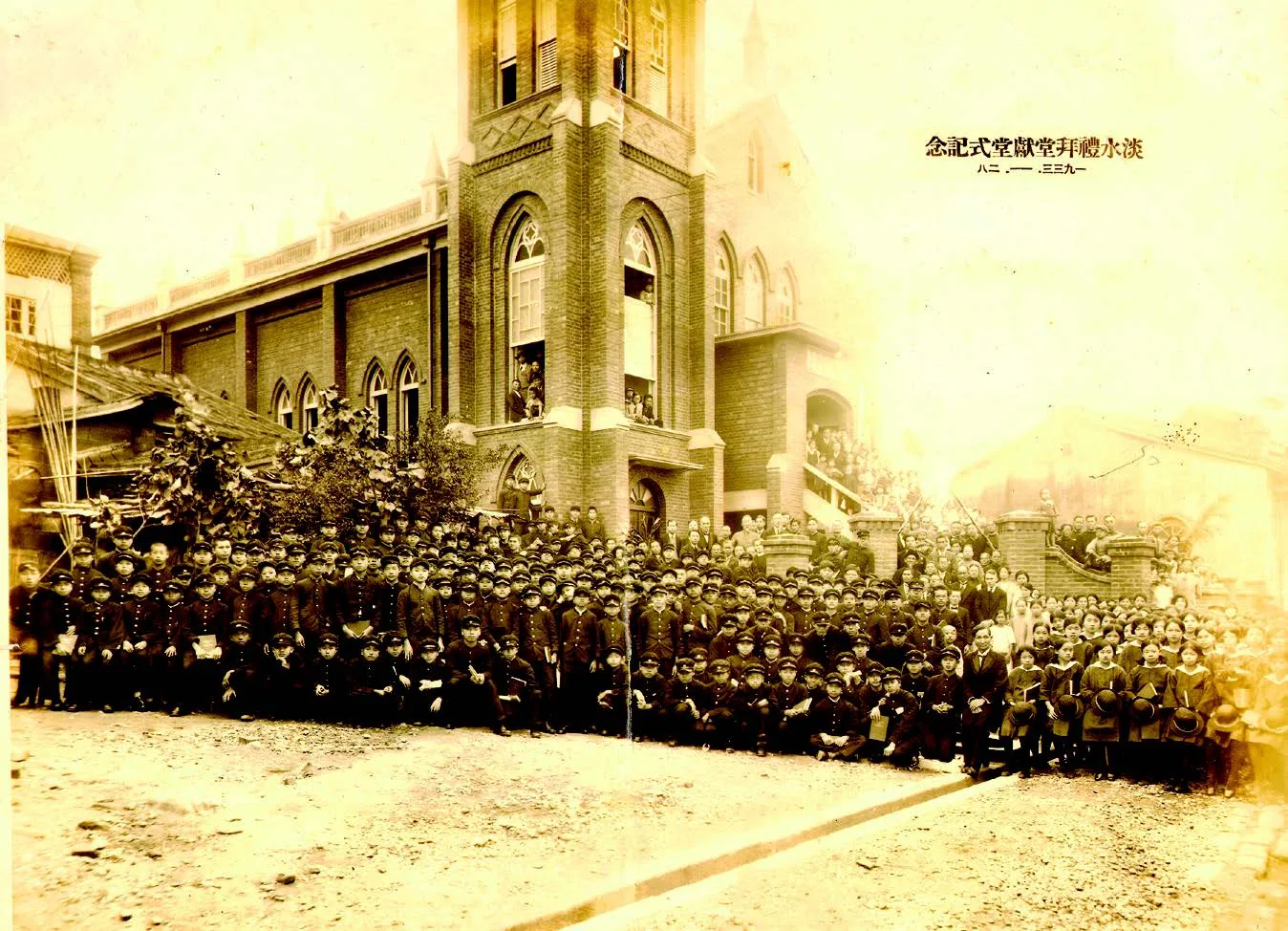
1881
After returning to Tamsui from his furlough in Canada, Dr. Mackay not only extended his mission field north of Miaoli and even as far as Yilan and Hualien in the east; he also established a hospital and schools in Tamsui, in order to widen the scale of his mission and increase its influence on society. During this period, although the Sino-French War broke out and the church suffered a severe blow and trial, its foundations instead stood unshaken, proving that the missionary enterprise Dr. Mackay had created, and its influence, could no longer be separated from Taiwanese society.
03Introducing Modern Medicine for the Good of the People
The success of Dr. Mackay's mission in Taiwan was absolutely bound up with his skilful use of medical service to improve the health of the people effectively, and it was here that his influence reached furthest.
May 1873
After arriving in Tamsui, Dr. Mackay treated patients at the residence he had rented and supplied Western medicines; before long he added surgery, tooth extraction and inpatient facilities. Because Western medicine took effect quickly — and because the people of the time suffered widely from malaria, for which Dr. Mackay's quinine was a specific remedy — it was warmly received. The number of patients seeking treatment therefore grew day by day, and in May 1873 he rented another house as a clinic, naming it the “Hobe Clinic”.
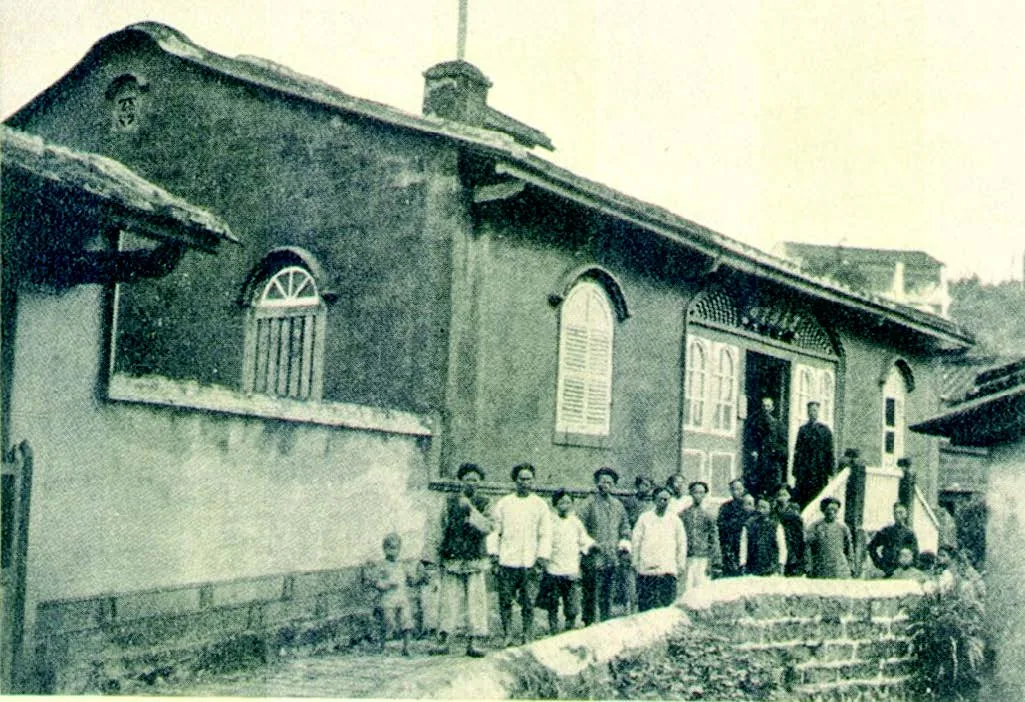
1879
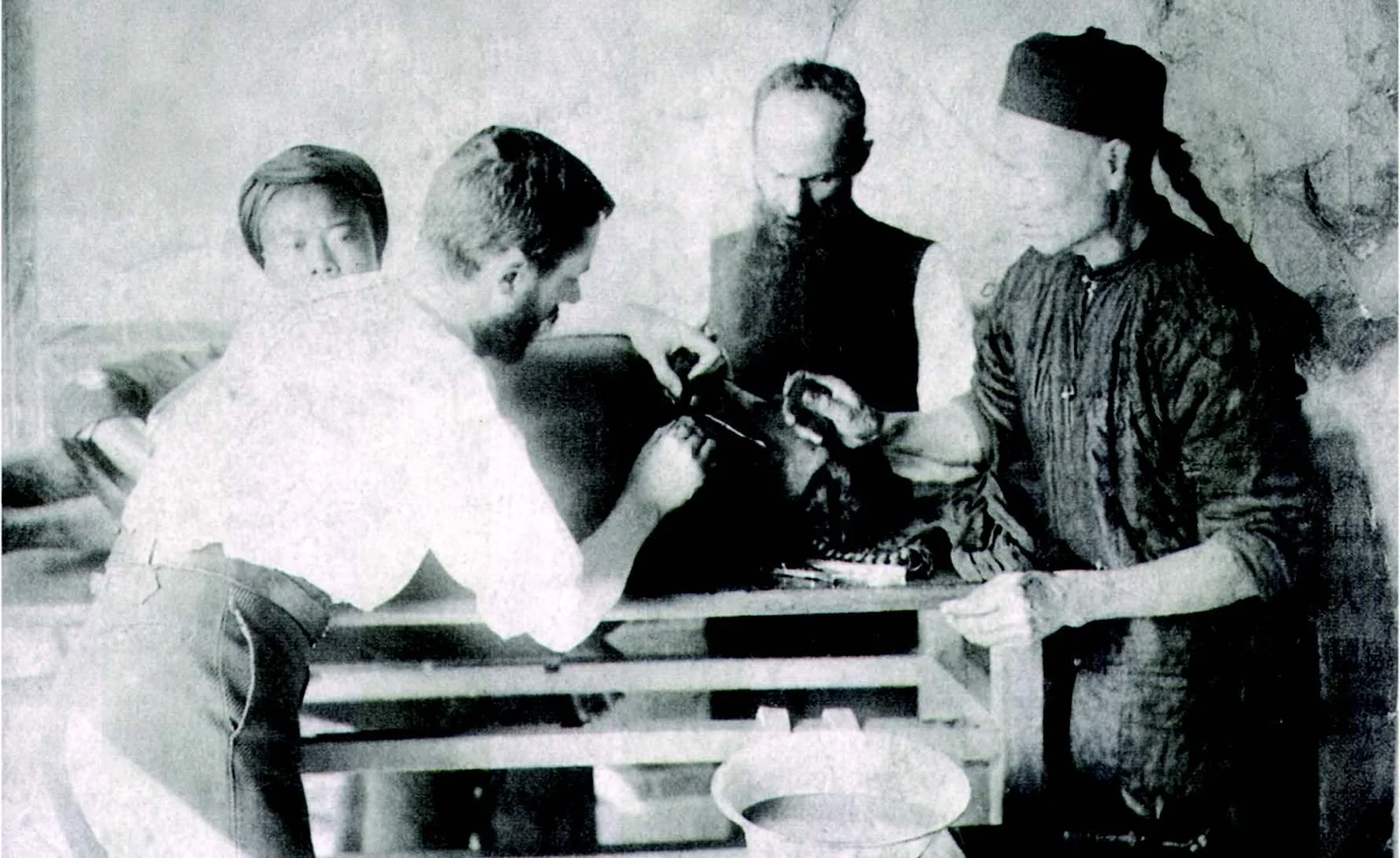
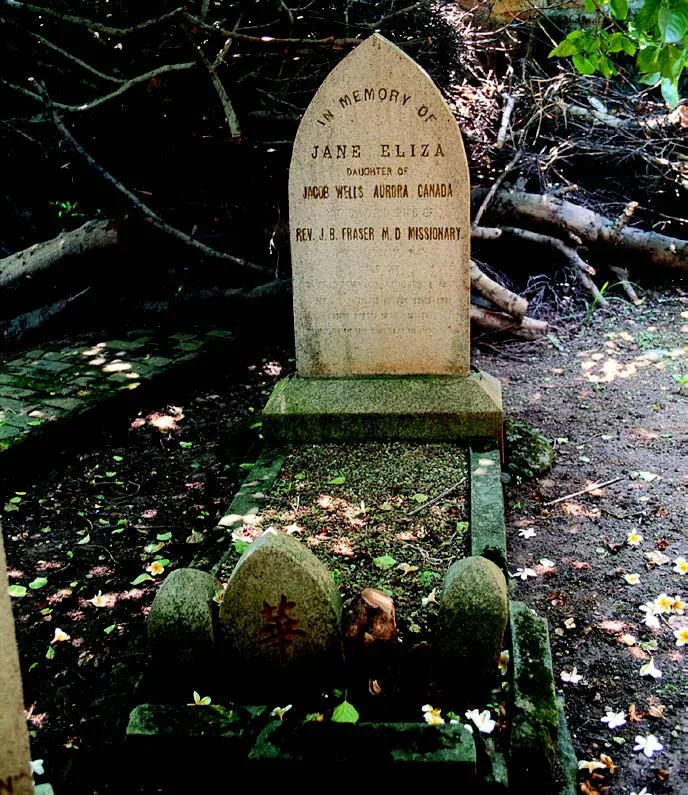
At that time Dr. Mackay invited the foreign doctors stationed in Tamsui to take charge of medical affairs at the hospital and to teach medical techniques. Five such Western doctors served in succession, the best known being Dr. B. S. Ringer, who worked with Dr. Mackay to dissect the body of a Portuguese sailor who had died of unknown causes and found lung flukes parasitic in his body; this was the first such case in the world, and the report they published caused a stir at the time. Canada also sent the medical missionary Dr. J. B. Fraser to Tamsui to take charge of the hospital, but two years later he returned home because his wife had died in Tamsui; she is buried to this day in the Foreign Cemetery beside Tamkang Senior High School.
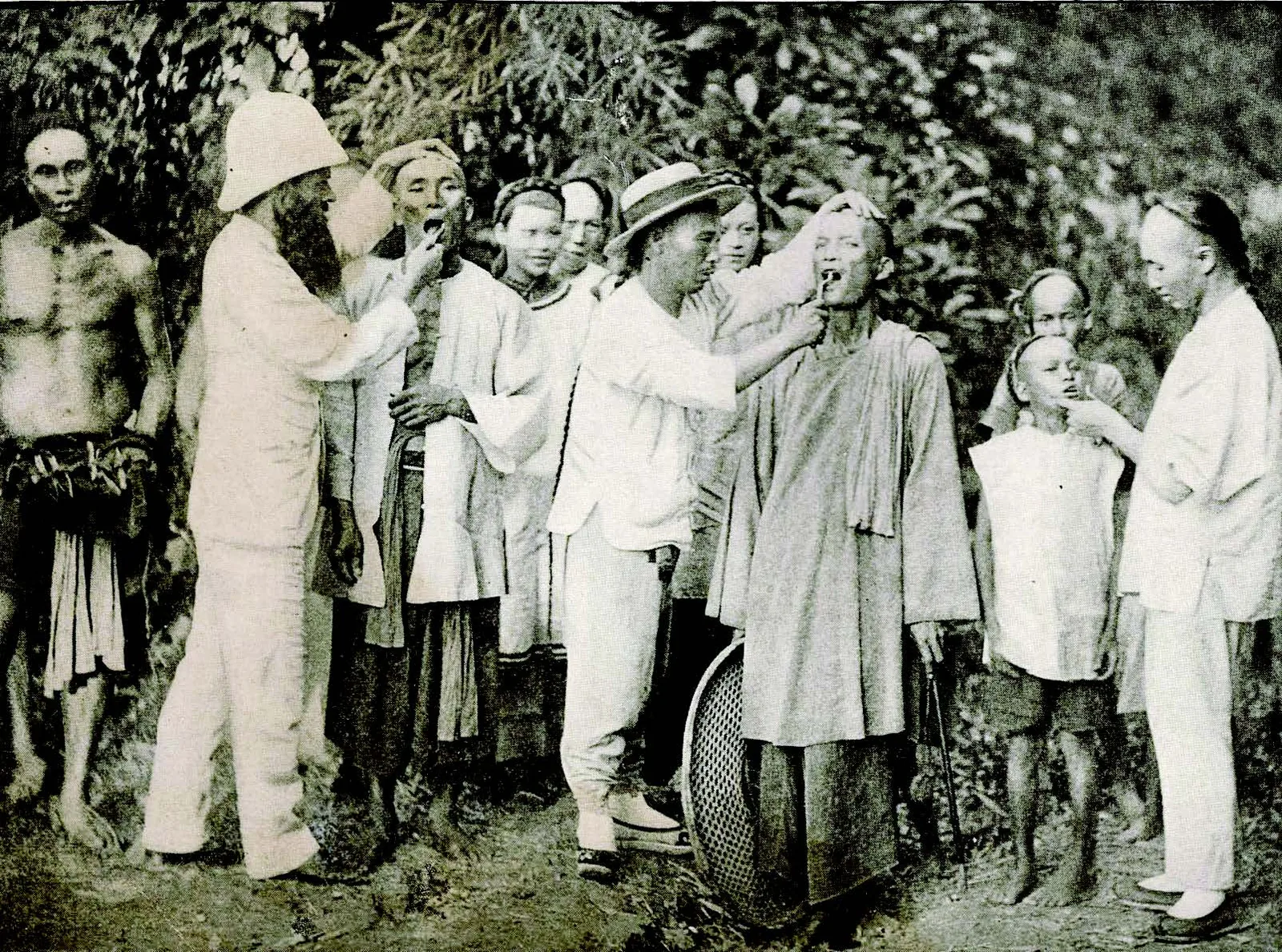
In addition, Dr. Mackay used his preaching journeys to extract teeth and treat illness wherever he went; the twenty-one thousand teeth he pulled during his time in Taiwan became a famous story. At the same time he trained students and local preachers and set up medical stations at churches in various places, so as to widen the range of his medical service. Most of the funds needed for the medical work were donated by foreign trading firms, with some support from local gentry.
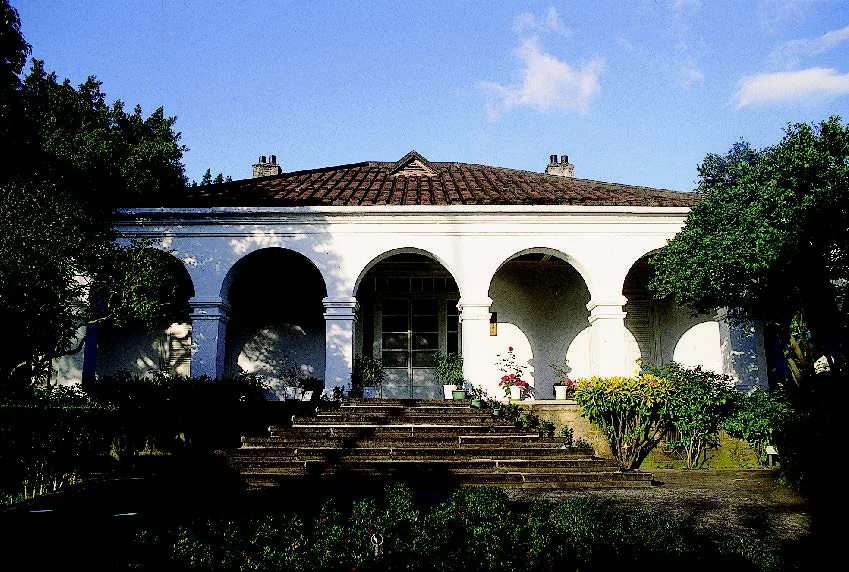
In 1879 Dr. Mackay received three thousand US dollars from an American woman who shared the surname Mackay, donated in memory of her late husband to help build his new clinic. With these funds Dr. Mackay built a new clinic on what is now Mackay Street in Tamsui, naming it the “Hobe Mackay Hospital” in memory of Mrs. Mackay's benevolence. The hospital building is preserved in Tamsui to this day, is regarded as a historic monument, and is the birthplace of Western medicine in northern Taiwan.
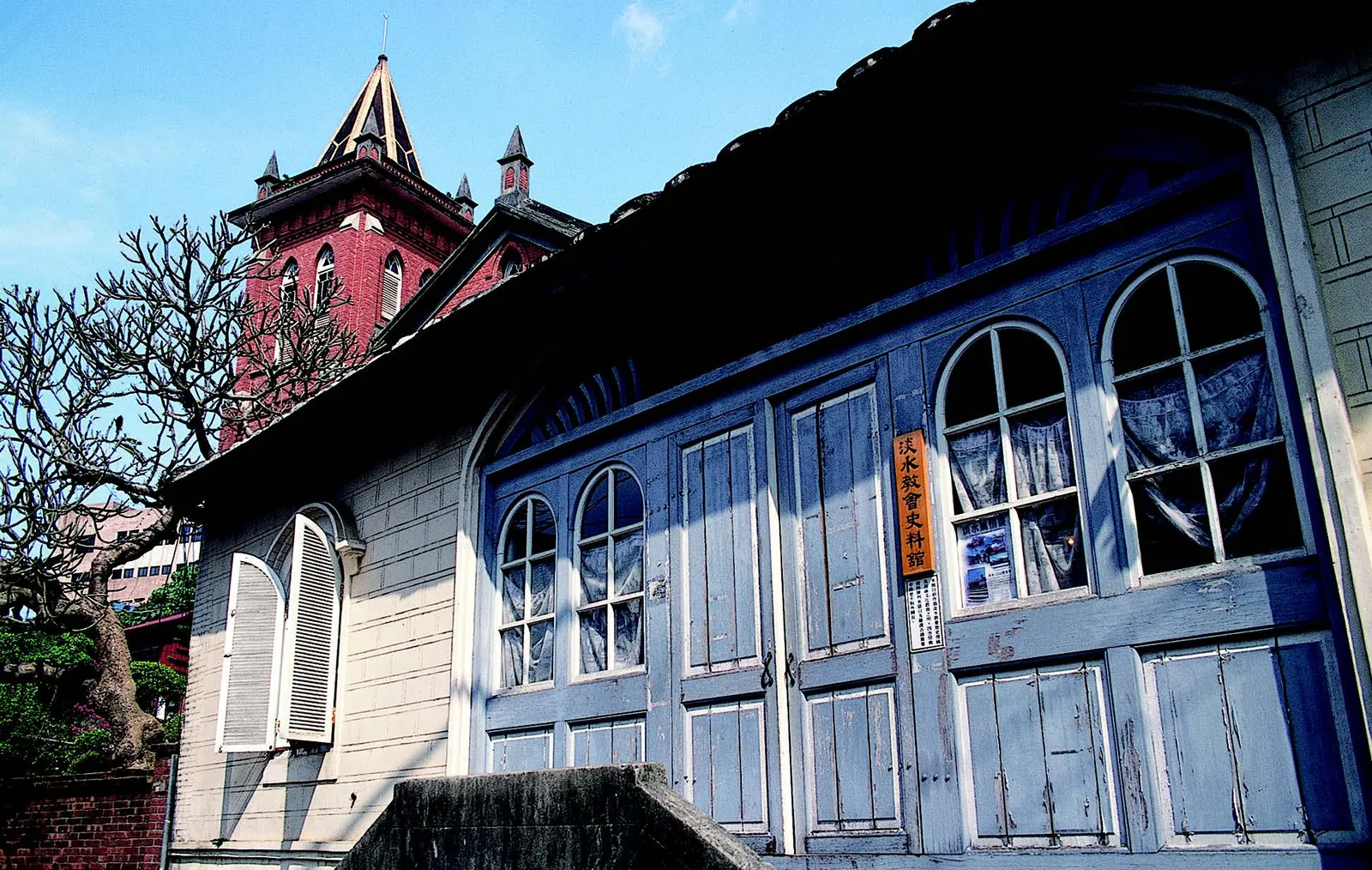
1884
In 1884 the Sino-French War reached Tamsui, and the Mackay Hospital resolutely took up the work of relief. The hospital's attending physician Dr. C. H. Johnson, together with Brown (伯朗), surgeon of the British warship then protecting foreign residents in the port of Tamsui, led British sailors to the hospital to help care for the wounded Qing soldiers, and were awarded commendations for military merit. Thereafter the Qing government also frequently contributed funds to the hospital.
1894 - 1901
In the late Qing period the Mackay Hospital was a hospital of far-reaching reputation; in 1894 alone more than ten thousand patient visits were made to it. The hospital had case-record management and registration procedures for first and follow-up visits, and it also published medical reports and gave clinical teaching; not only was its medical work busy, but its system was very complete. Even after Japan occupied Taiwan, the government issued it a licence permitting it to practise medicine; and a number of the Oxford College students who did their clinical training at the hospital passed the Japanese government's medical examinations and obtained physicians' licences.
It was only after Dr. Mackay's death in 1901 that the Mackay Hospital suspended its work for a time. Dr. Mackay was not a professional physician, yet he practised medicine and saved countless lives; he did pioneering work for modern medicine in Taiwan, and wrote a glorious page in the history of world medicine.
04Tamsui as Home — A Legacy of Love for Taiwan
Dr. Mackay devoted his nearly thirty years of missionary life to Taiwan; even when he returned home on leave, he lectured everywhere to raise funds for his various undertakings in Taiwan. Tamsui was not only the hub of his work in Taiwan but also his second home.
1878
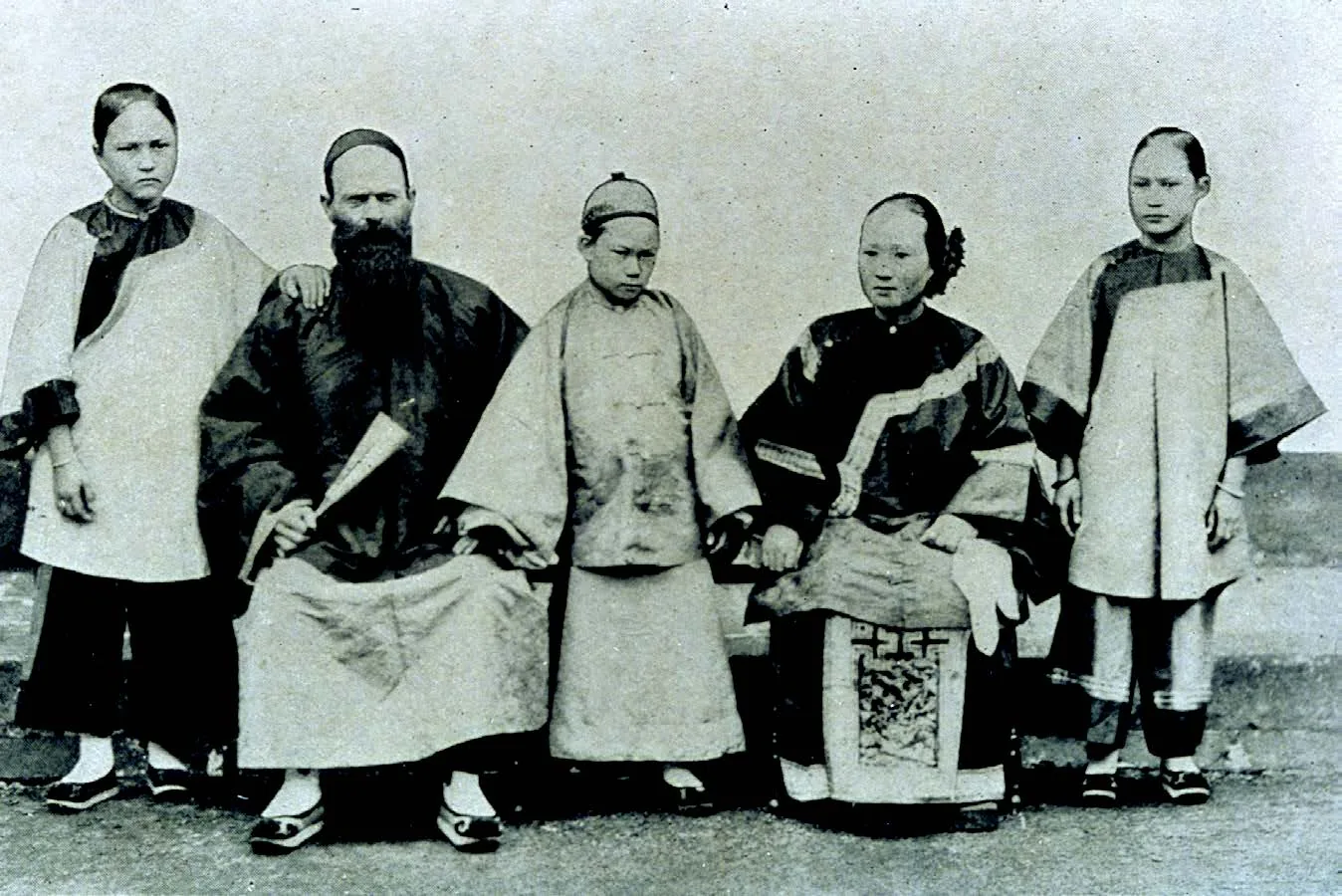
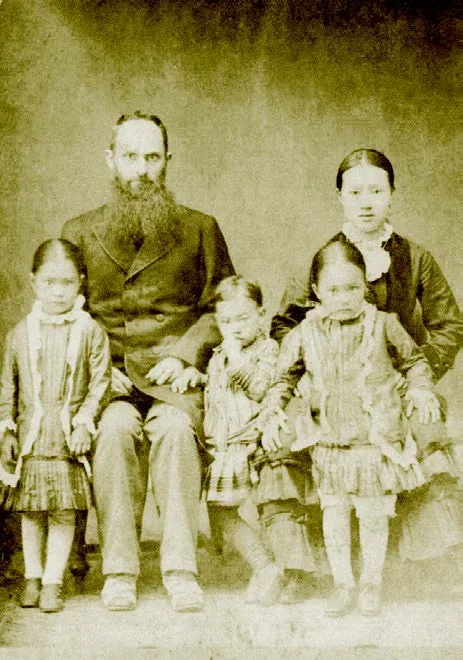
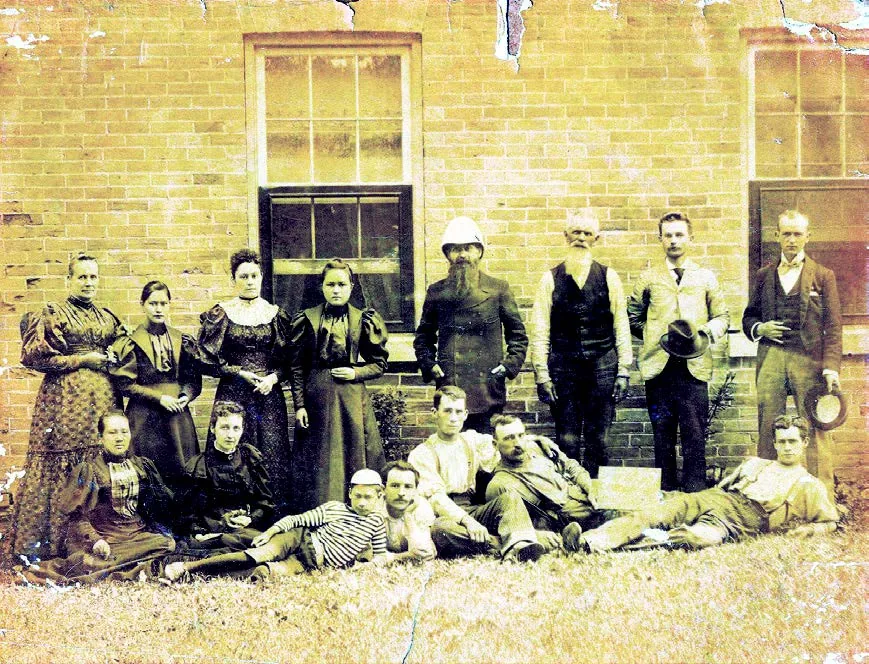
In 1878, in order to fulfil his resolve to preach in Taiwan for the rest of his life, Dr. Mackay married Chang Tsung-ming (張聰明), a woman of Wugukeng in Taiwan. They had two daughters and a son: the elder daughter Ma-lien (媽連) and the younger daughter I-li (以利), who on reaching adulthood both married students of Dr. Mackay; their only son, George William Mackay (偕叡廉), was the founder and first principal of Tamkang Senior High School.
May 1878
Kai Ma-lien's son Chen Ching-hui (陳敬輝) was an art teacher at Tamkang Senior High School and a well-known painter; Kai I-li's son Ko She-kai (柯設偕) served for many years as a teacher and as dean of academic affairs, and twice acted as principal.
June 1901
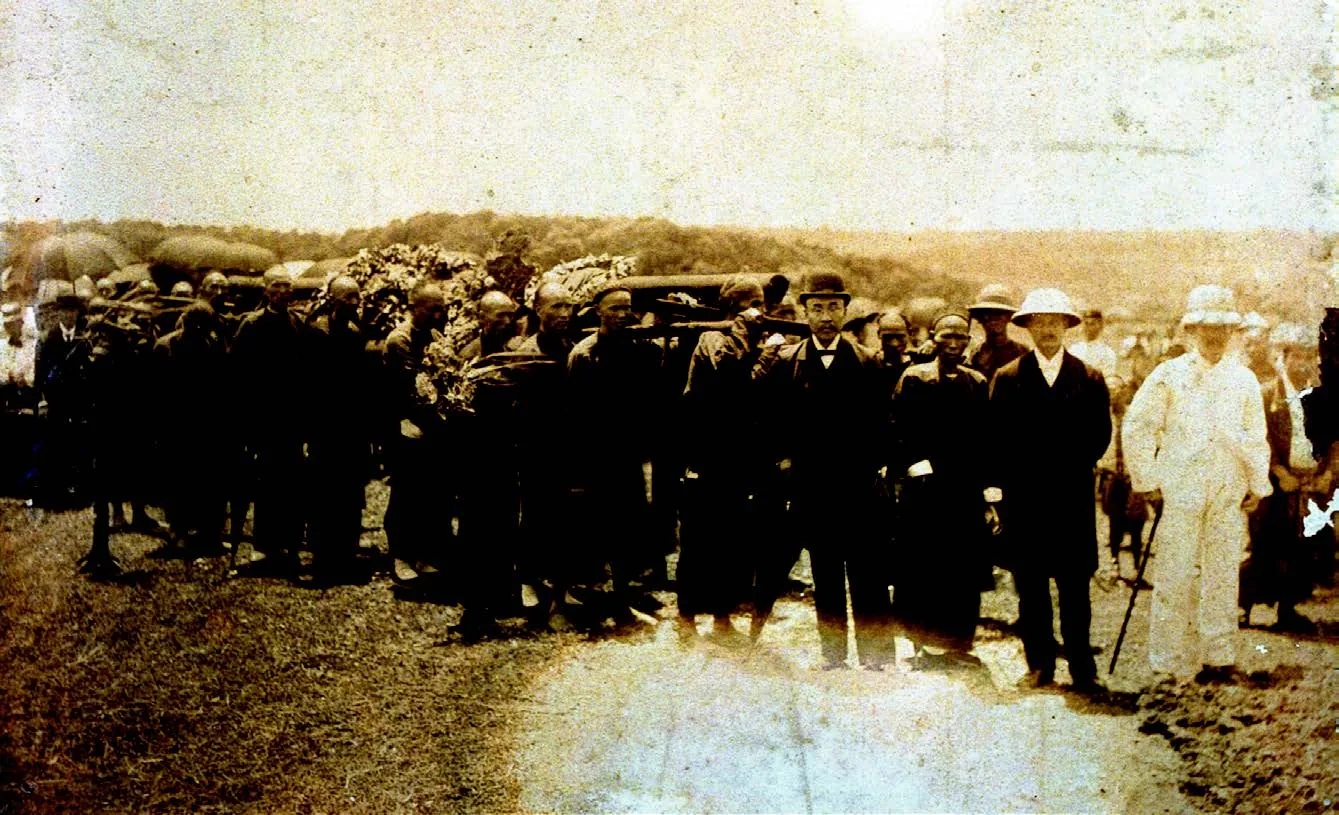
On June 2, 1901, Dr. Mackay died of throat cancer at his residence in Tamsui, at the age of 58. In accordance with his will, his family buried him on June 5 on the western side of the Tamsui Foreign Cemetery, in the family burial ground he had purchased during his lifetime.
Dr. Mackay was devoted to education: he founded colleges and free schools, spread modern science and raised the status of women. He also worked tirelessly to improve people's livelihoods, importing vegetable seeds from abroad; he promoted hygiene and introduced medical techniques. He also had the deepest respect for local culture: besides expounding it in his writings, he combined modern Western architecture with Taiwanese architecture, as embodied in the churches, hospital and schools he built. All his life he identified with Taiwan, and left his roots in Taiwan.
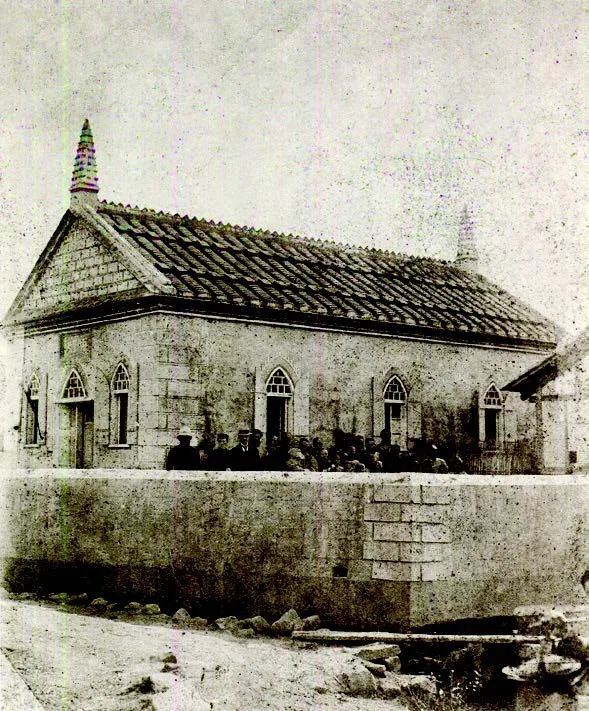
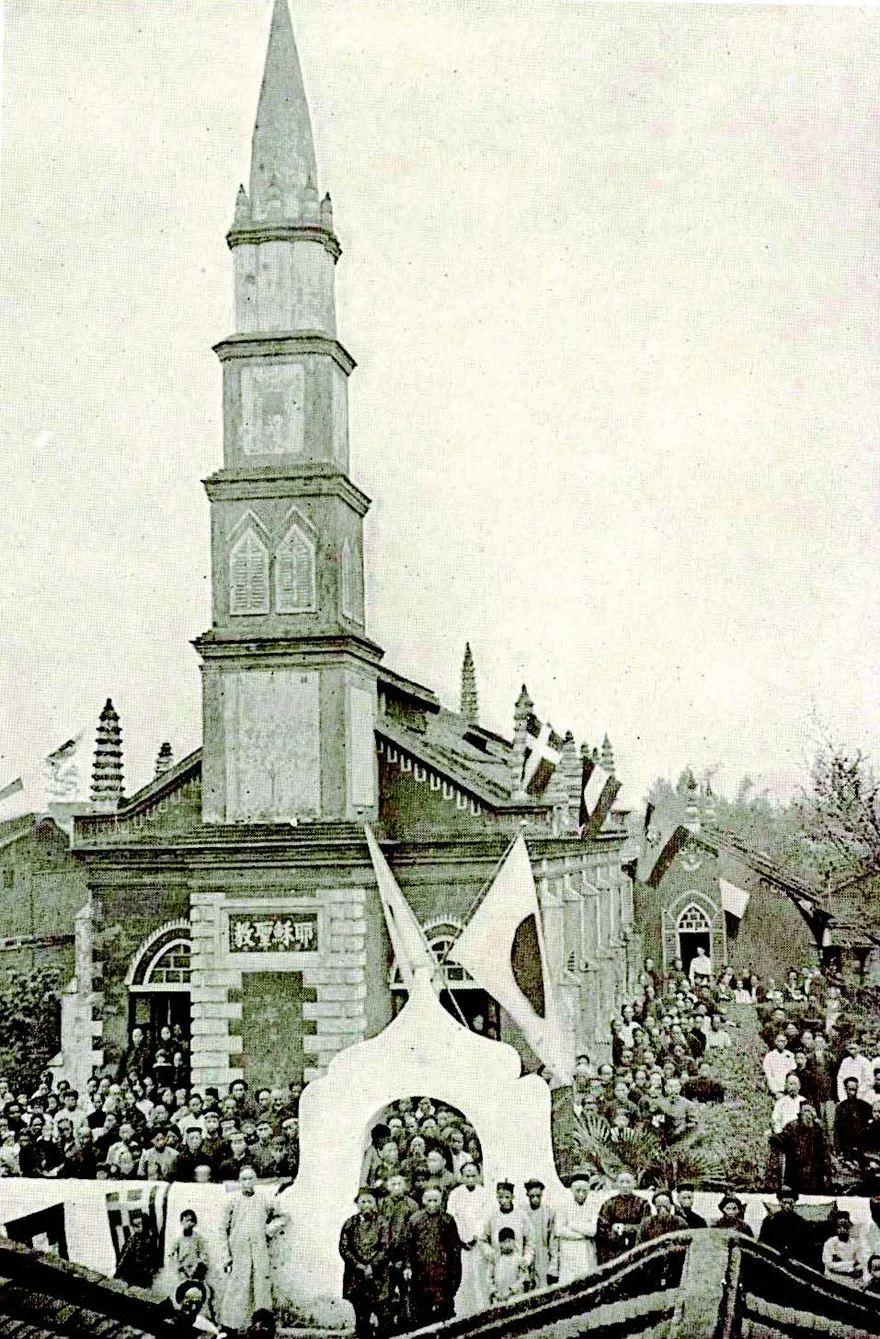
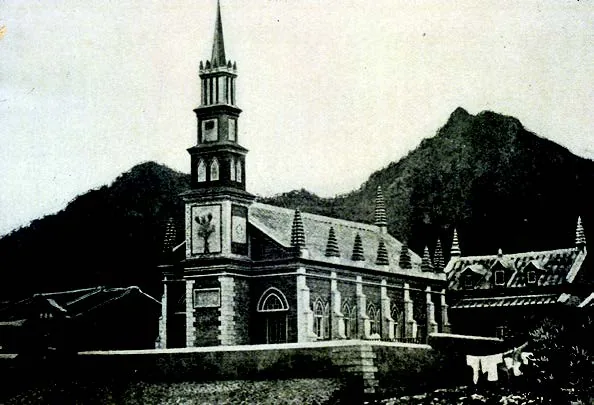
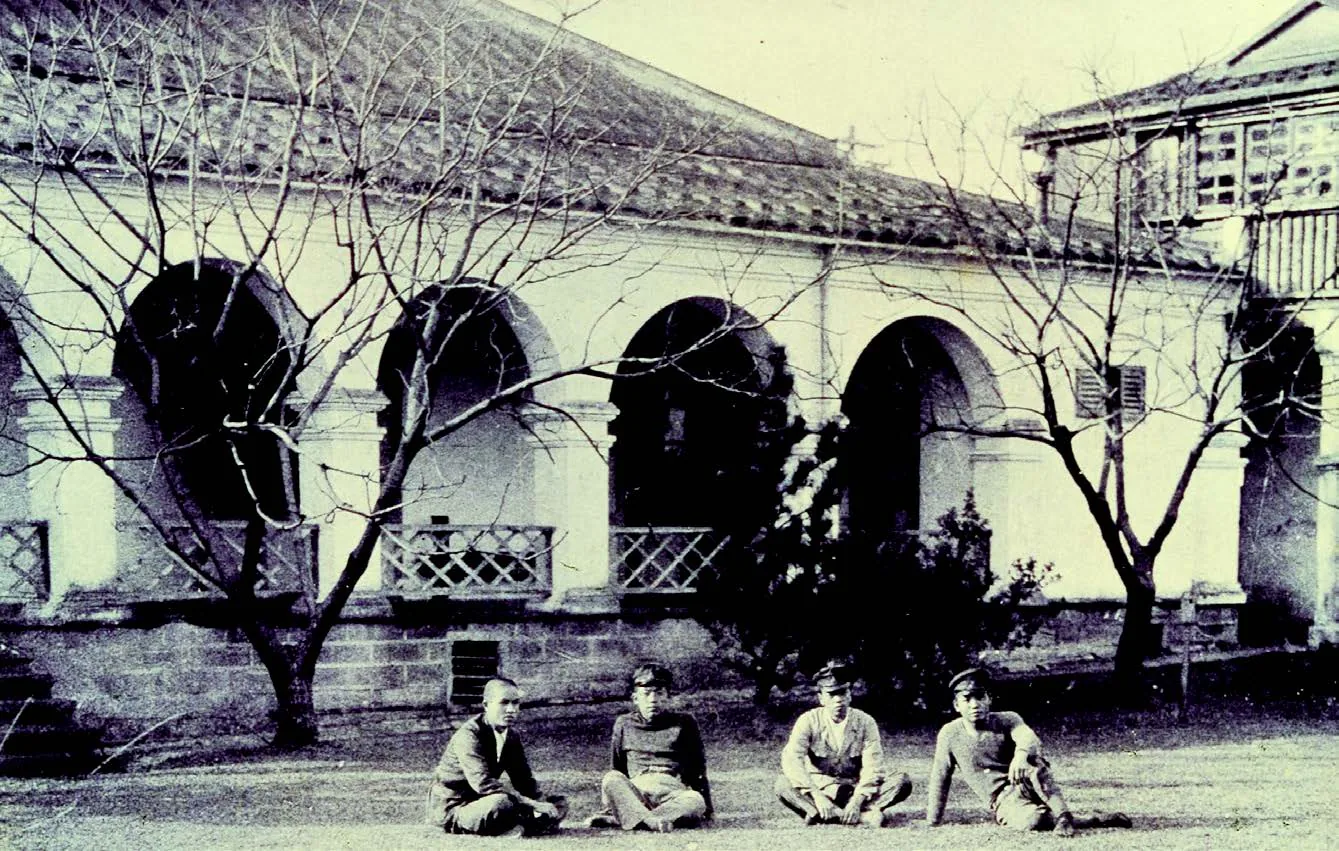
Dr. Mackay was not himself a licensed architect, yet he built a good number of outstanding and interesting buildings. Many books introducing the history of architecture in Taiwan mention the churches, hospital and schools that Dr. Mackay designed and built. The pictures show three of the seven churches Dr. Mackay built with the indemnity funds after the Sino-French War.
O Taiwan, beloved of my heart! To you I have given all the years of my life. Here lies my joy in living. O Taiwan, from whom my heart can hardly bear to part! To you I have given all the years of my life. I gaze through the clouds and see the ranges of mountains; through a gap in the clouds I look down upon the land, and out at the surging sea, out to the far side — how I love to gaze out from here! May it be that, when my life of service is ended, amid the sound of the great waves beating on the shore, beneath the swaying shade of the bamboo groves, I shall find my resting place⋯
05Explorer of Formosa
Although Dr. Mackay took northern Taiwan as his mission field, his footsteps covered the whole of Taiwan. In fact he spent most of his time in Taiwan travelling.
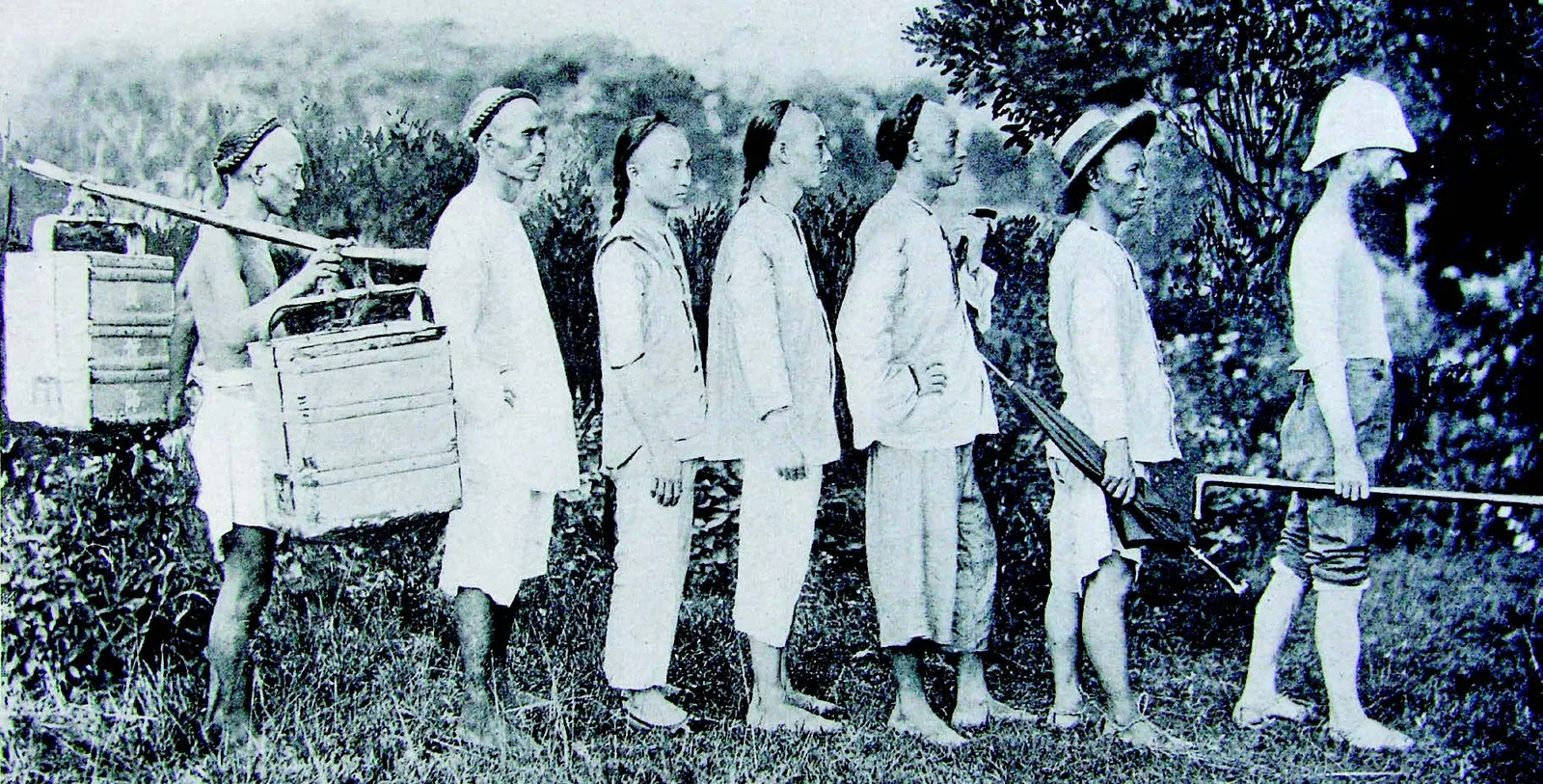
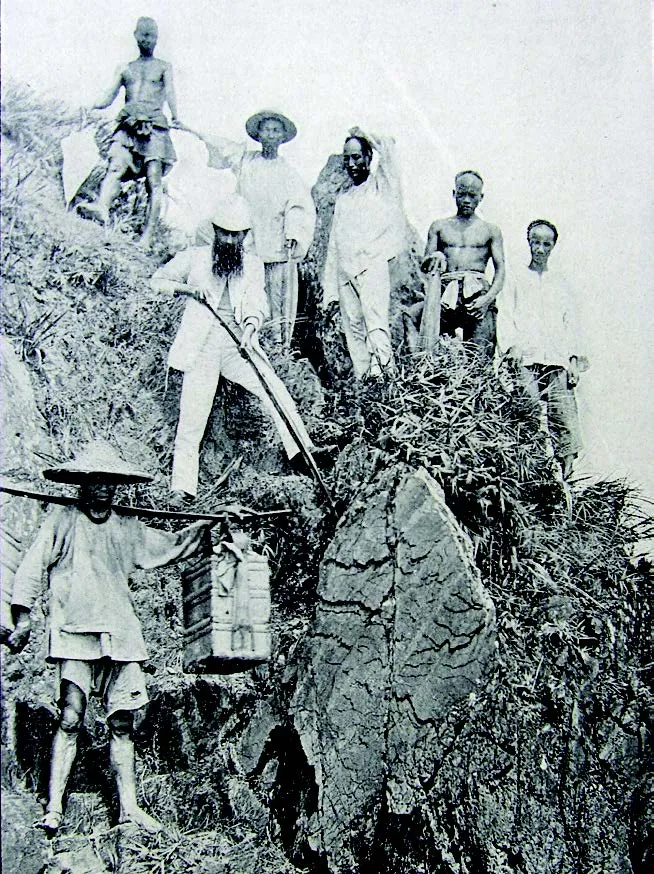
The writings and images left by his travels and explorations have become the richest and most authoritative — and indeed indispensable — first-hand material for the study of late-Qing Taiwan. Two days after arriving in Tamsui he set out on a month-long survey journey through the north, going as far as Puli and Sun Moon Lake; then, within the same year, he twice climbed Mt. Dasyueshan and penetrated the forbidden territory of the mountain indigenous peoples. In addition he crossed Sandiaoling in and out of Yilan twenty-eight times, went down three times to Hualien on the east coast, sailed out to the mysterious three northern islands, and even established a church on Guishan Island — the great majority of these being places no foreigner had ever set foot in.
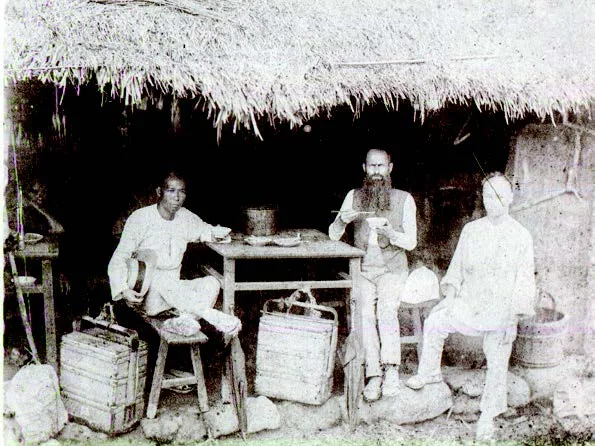
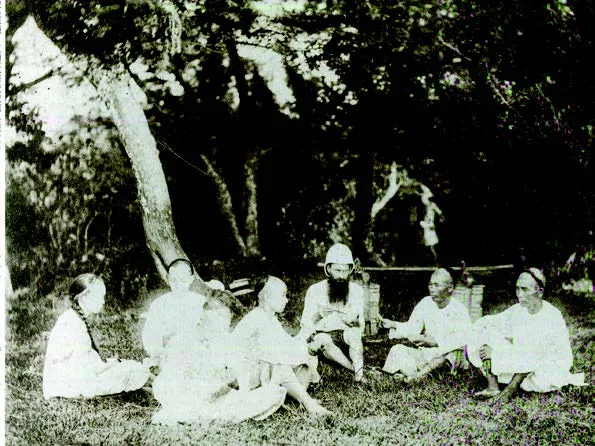
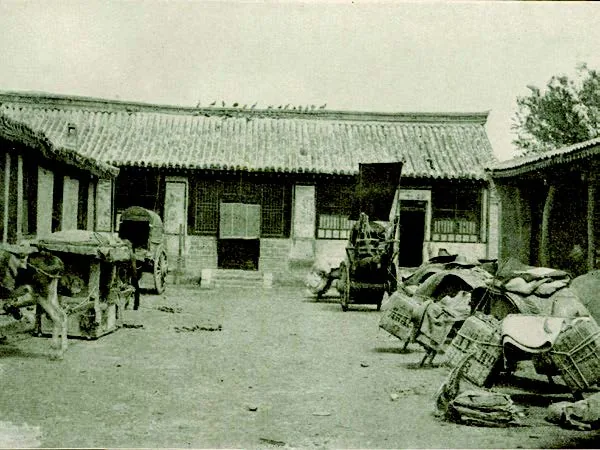
In addition, when he led his students to meetings in southern Taiwan, he always chose to go and return on foot, and in 1878 he even took a two-week journey as his honeymoon. Dr. Mackay not only wrote books recording his many exploratory journeys; the wide range of objects he collected also enabled him to establish Taiwan's earliest museum in Tamsui. To call him a great traveller and explorer of Taiwan is therefore no exaggeration.
06Dr. Mackay's Affection for Kavalan
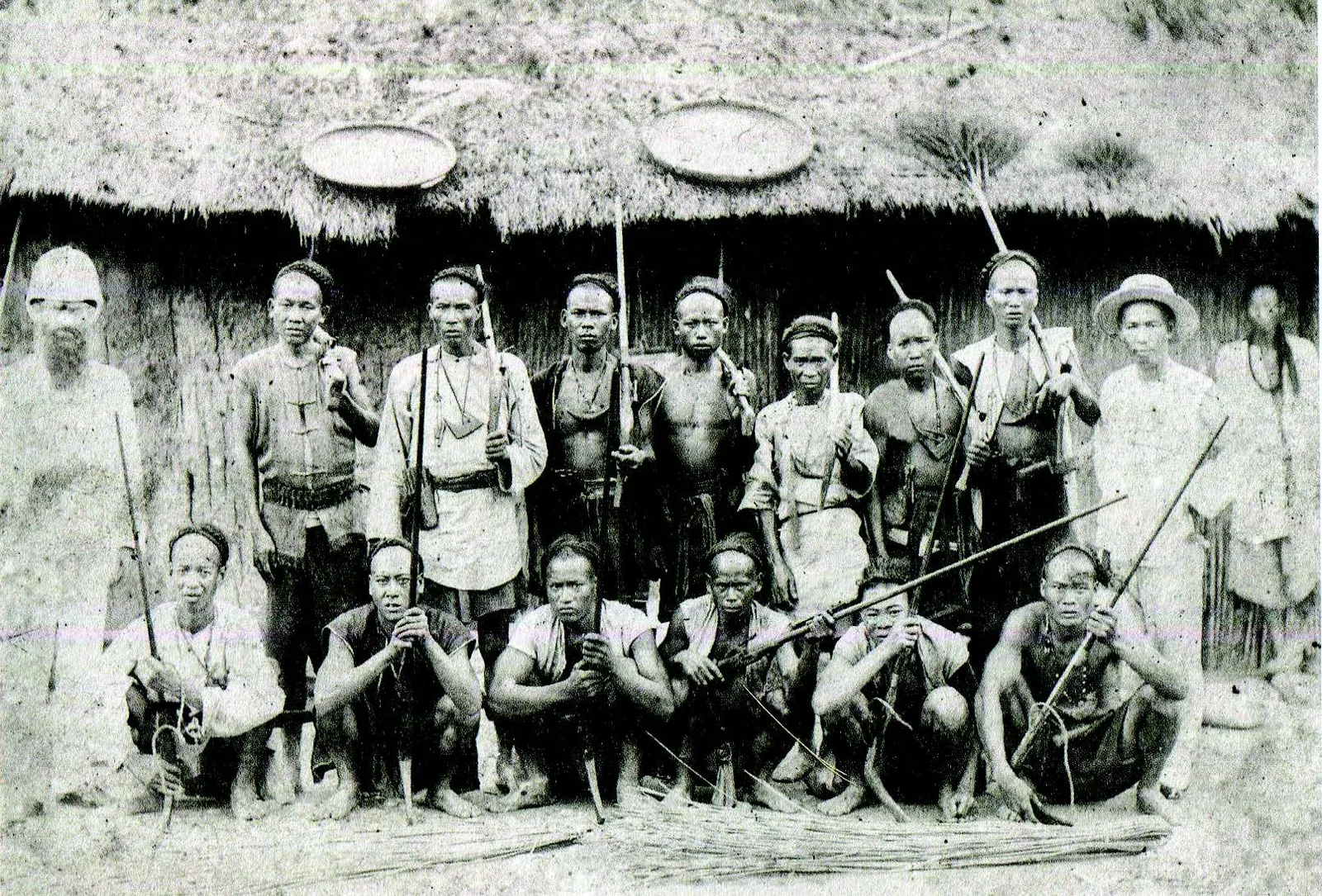
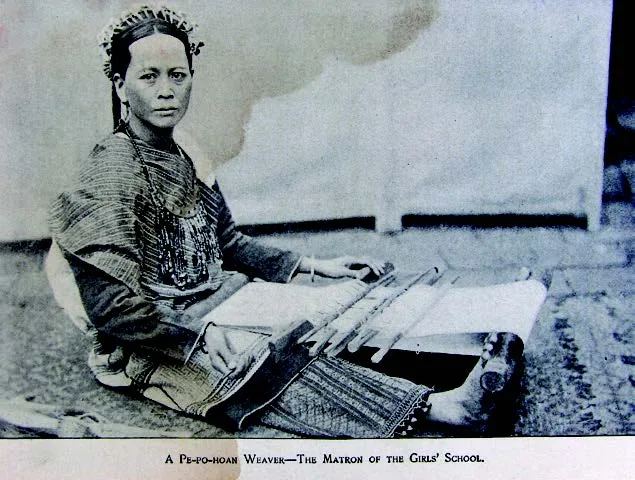
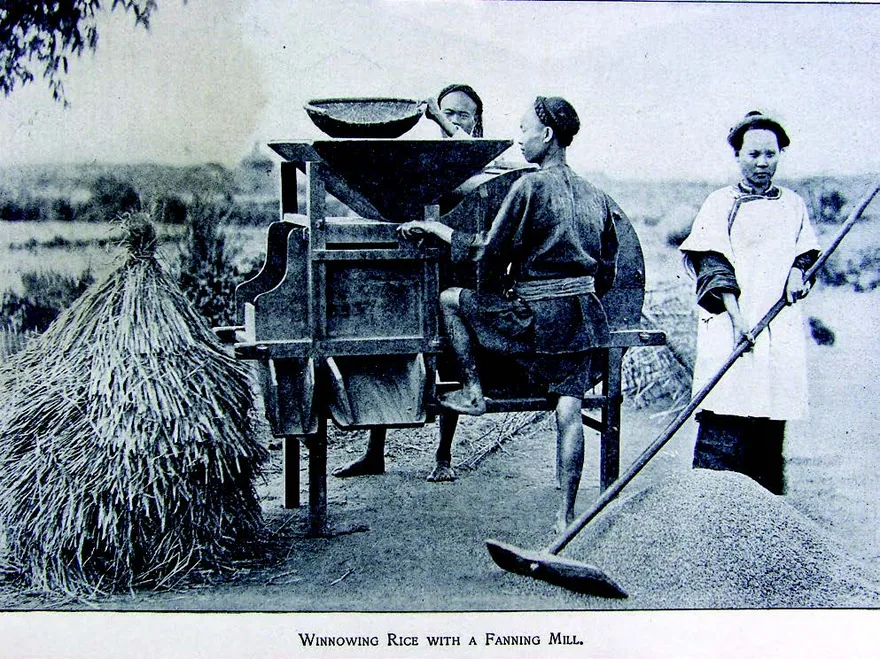
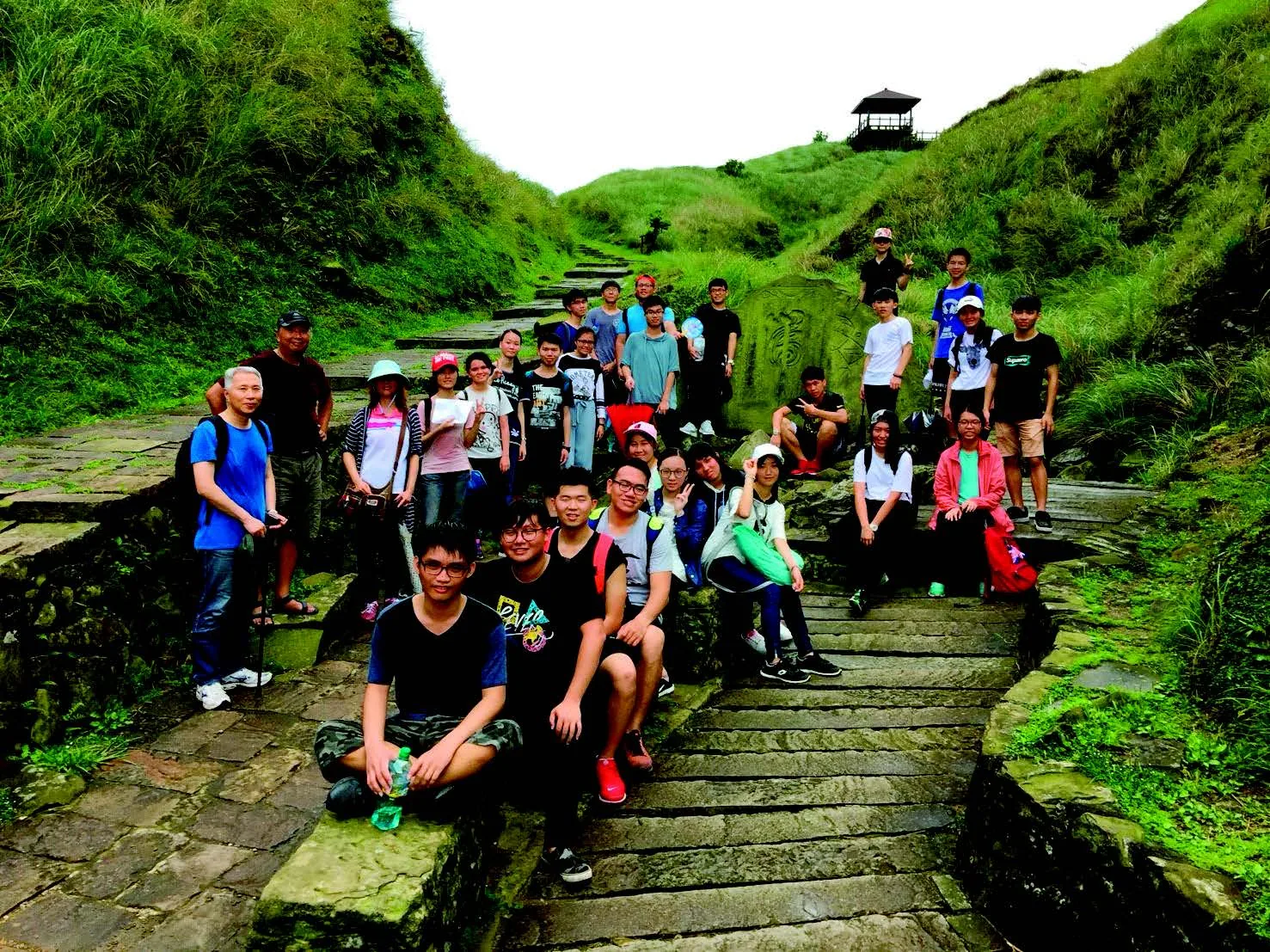
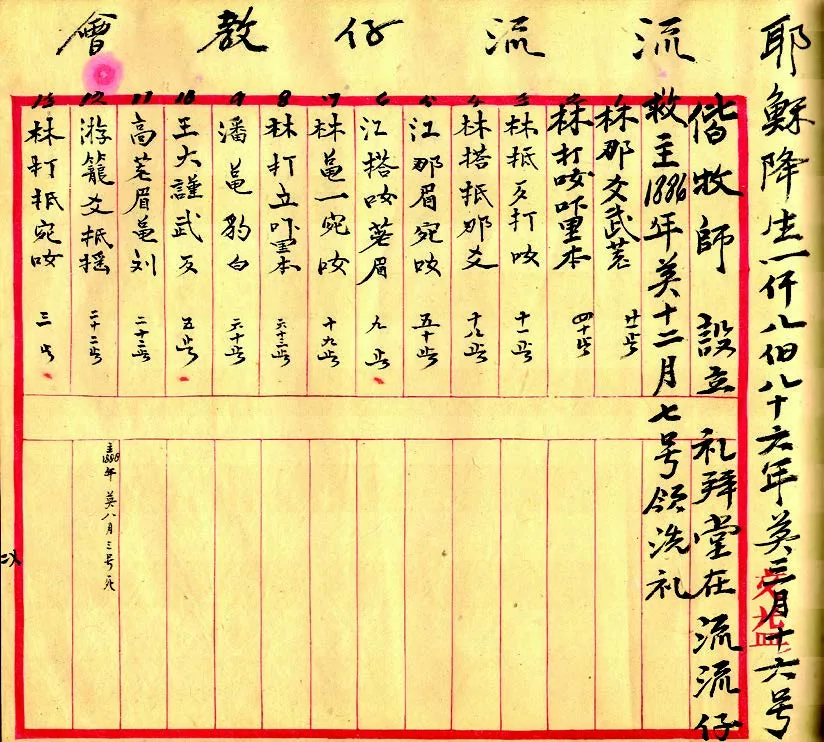
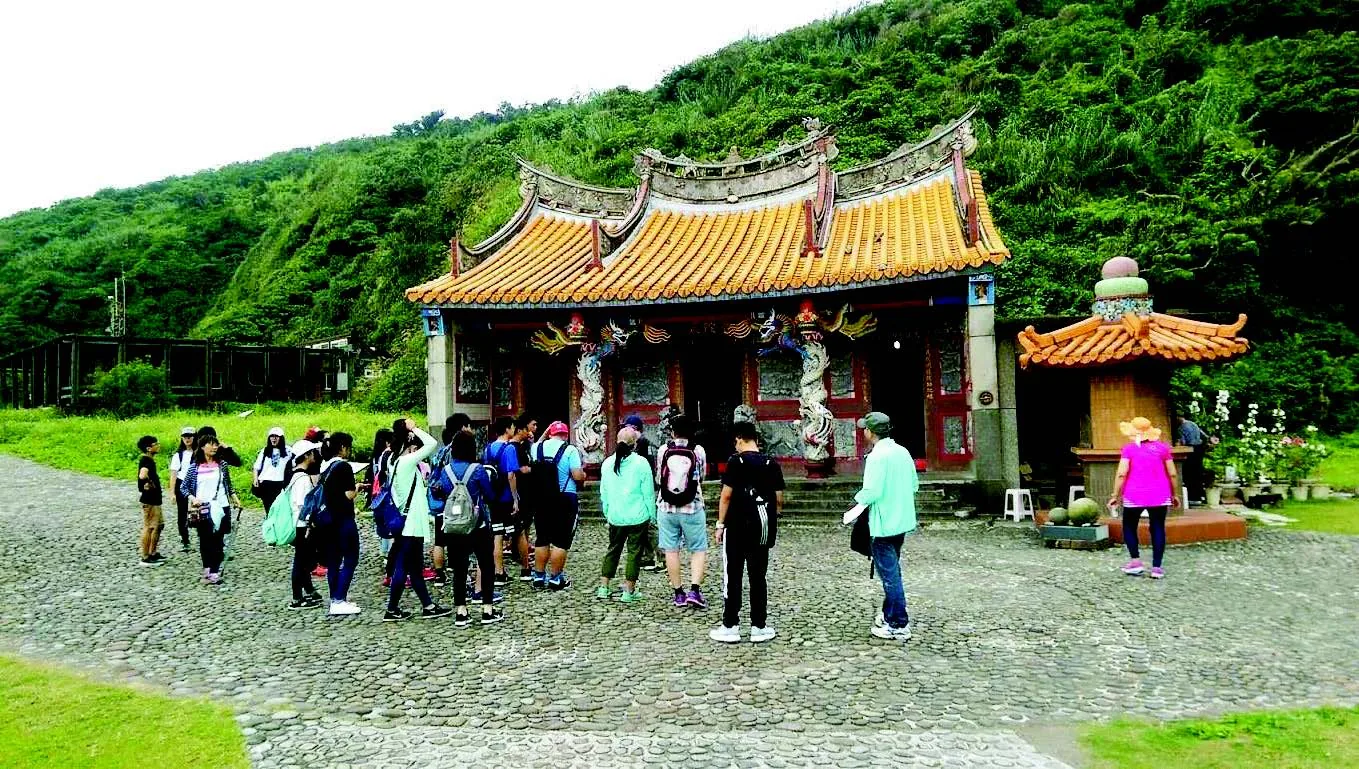
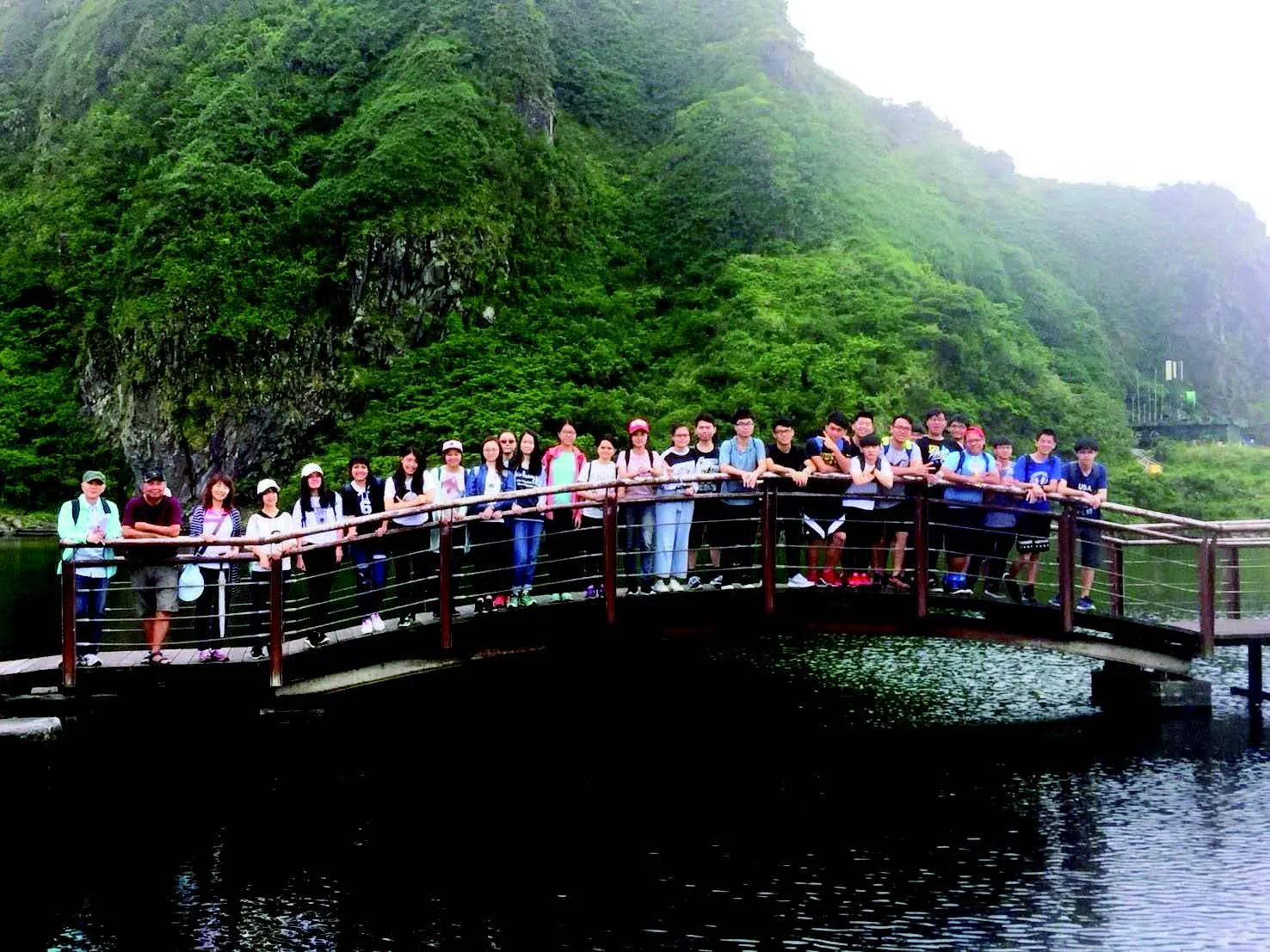
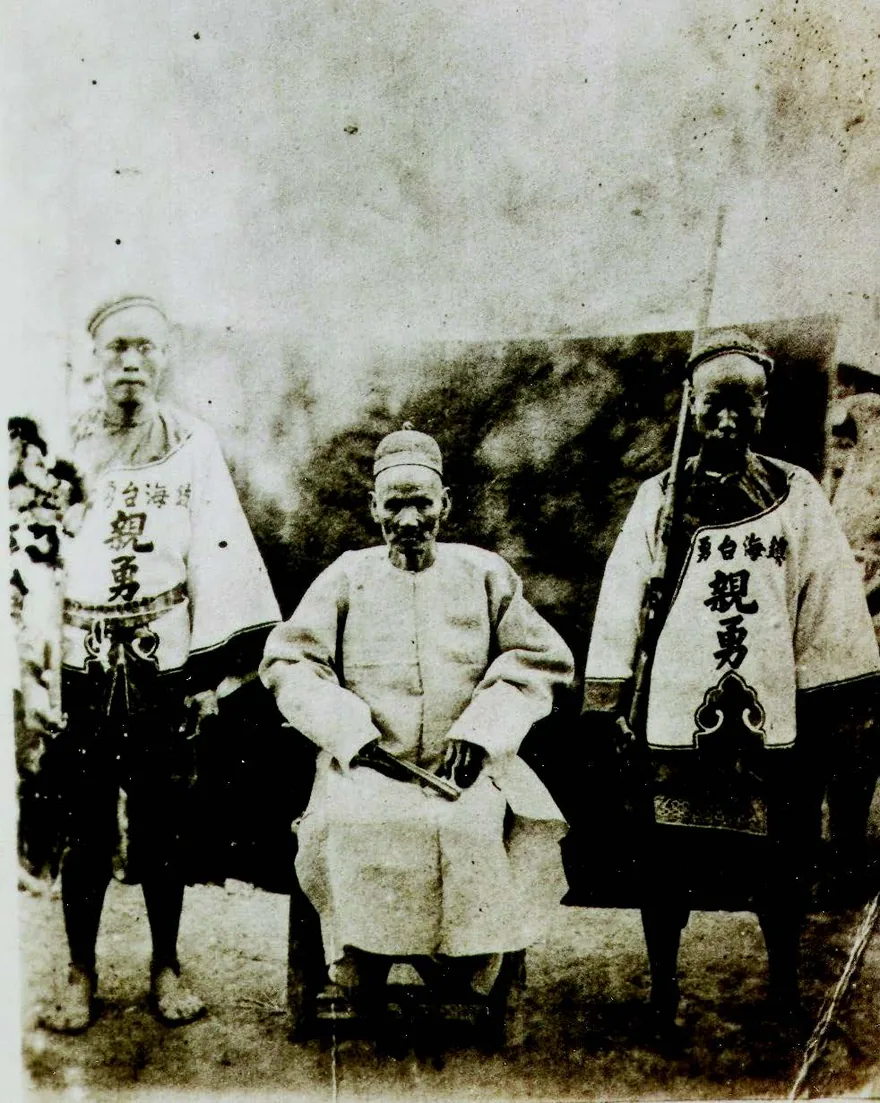
In Mackay's day Yilan was called Kap-á-lân (蛤仔蘭) or Kap-tsú-lân (甲子蘭). It was inhabited by the Kavalan people, whom Dr. Mackay called “Pepohoan”. From October 1973 onward Dr. Mackay travelled in and out of Yilan and Su'ao twenty-eight times; besides establishing 34 Pepohoan churches for the 36 Kavalan villages on that rainy plain, he also formed a deep bond of feeling with them, and many moving stories are still handed down in that land today. The mission to the Kavalan Pepohoan people was the focus of Dr. Mackay's work in the later half of his time in Taiwan, and the most legendary part of it.
07Dr. Mackay's Three Journeys to Hualien on the East Coast
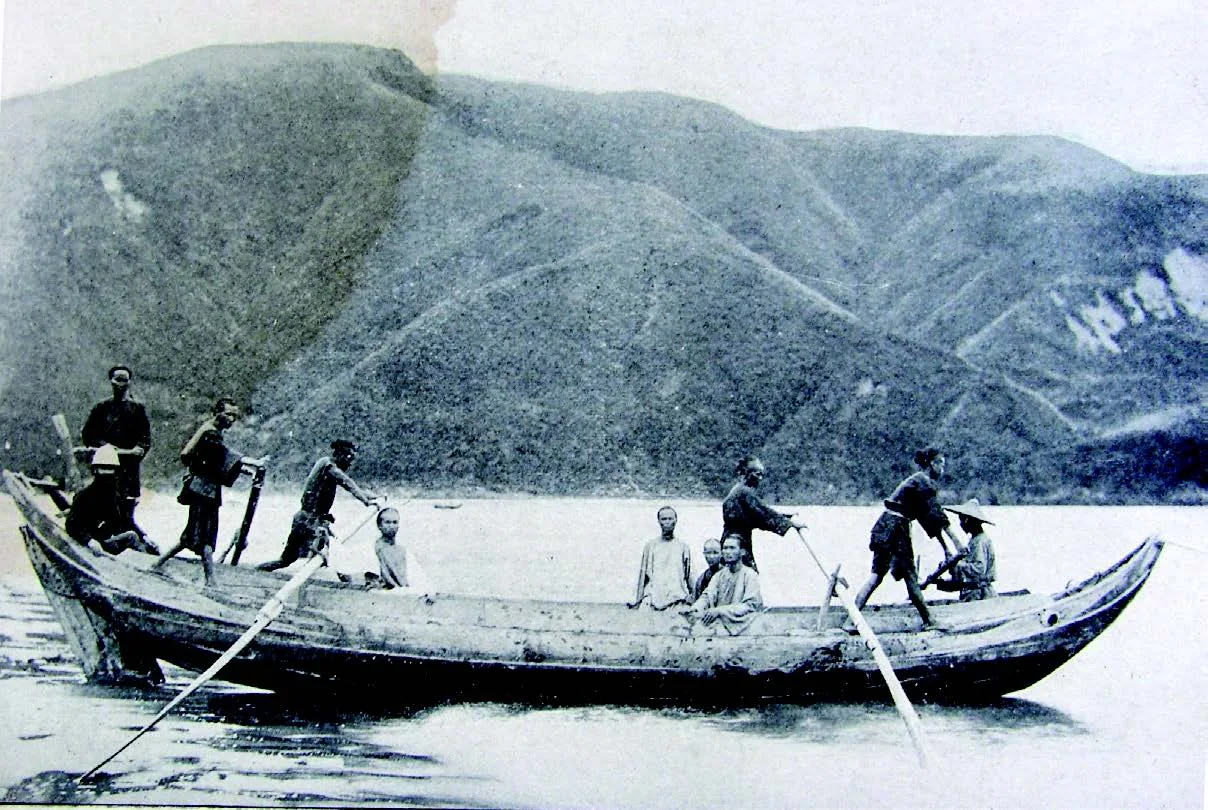
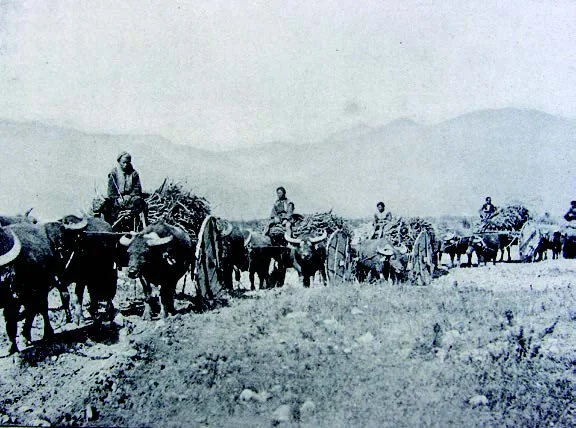
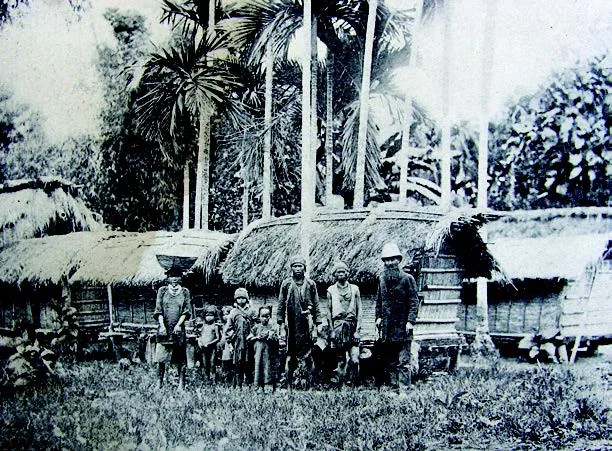
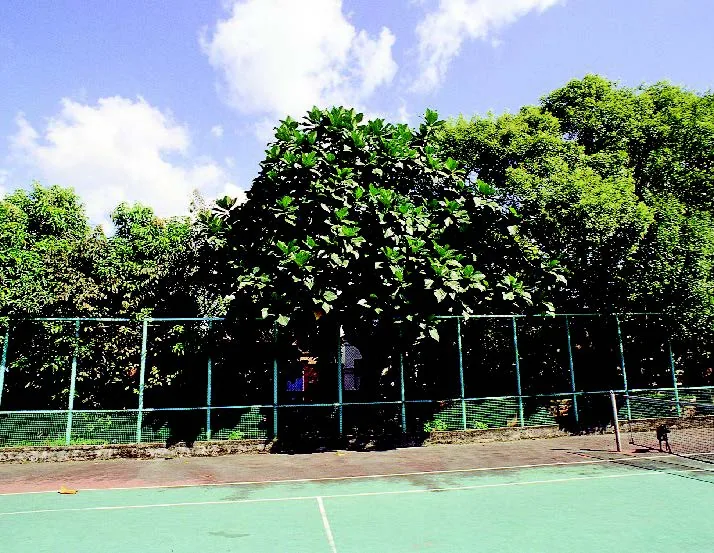
It was Dr. Mackay's wish to explore Hualien (Kilai) on the east coast of Taiwan. In June 1876 he took the British gunboat Lapwing to Hualien, but heavy seas and the hostility of the indigenous people on shore made it impossible. Only in September 1890 did he accomplish the exploration of Hualien as he had hoped. On this first seven-day journey through Hualien, besides visiting and encouraging five Kavalan churches that had drifted to Hualien, he also visited villages of the Amis people, then called the “Nanshi savages”, among them Chikawan (七腳灣). Besides pulling teeth, treating the sick and preaching the gospel, he also left precious images and written records, in particular a detailed account of a tribal organization of nine age grades. He later went to Hualien again in May 1891 and in May 1892, in two consecutive years.
08Dr. Mackay's Indigenous Kinsmen
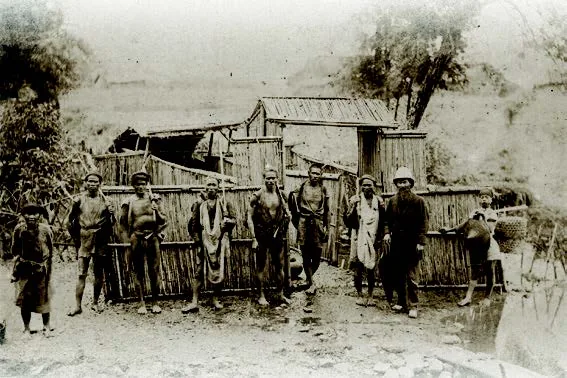
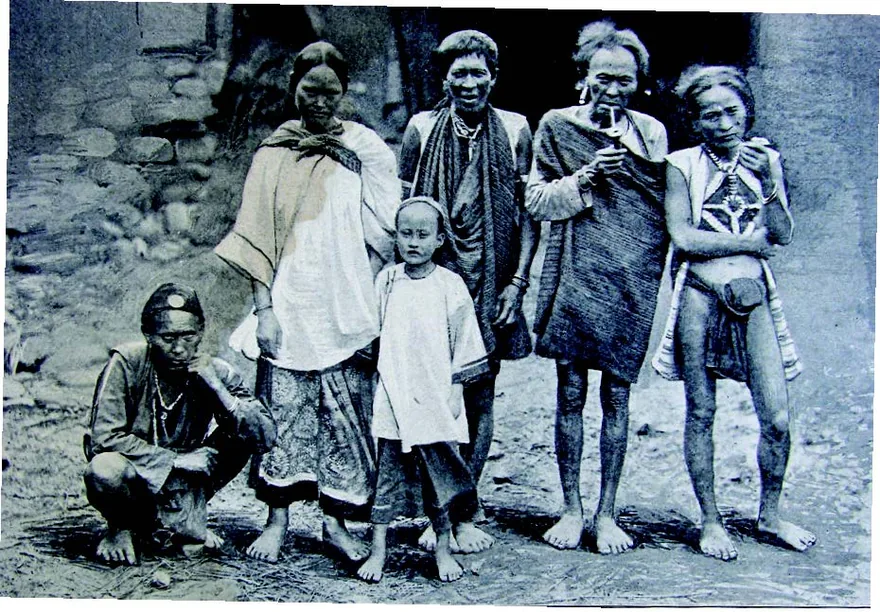
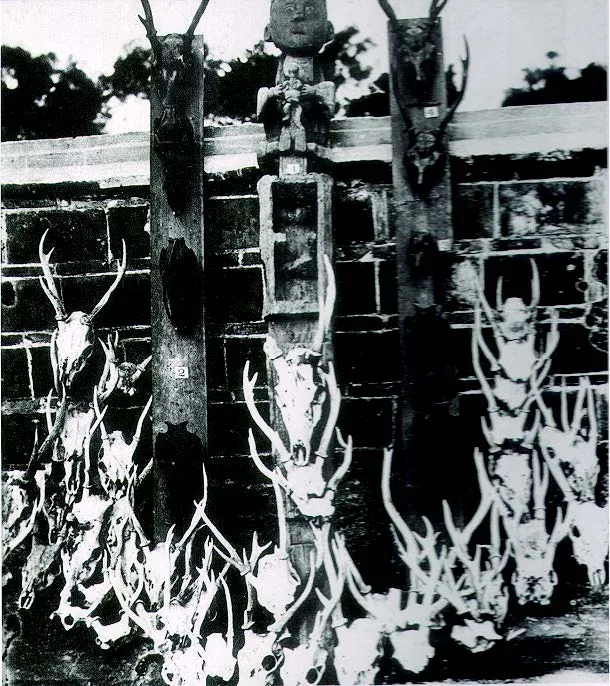
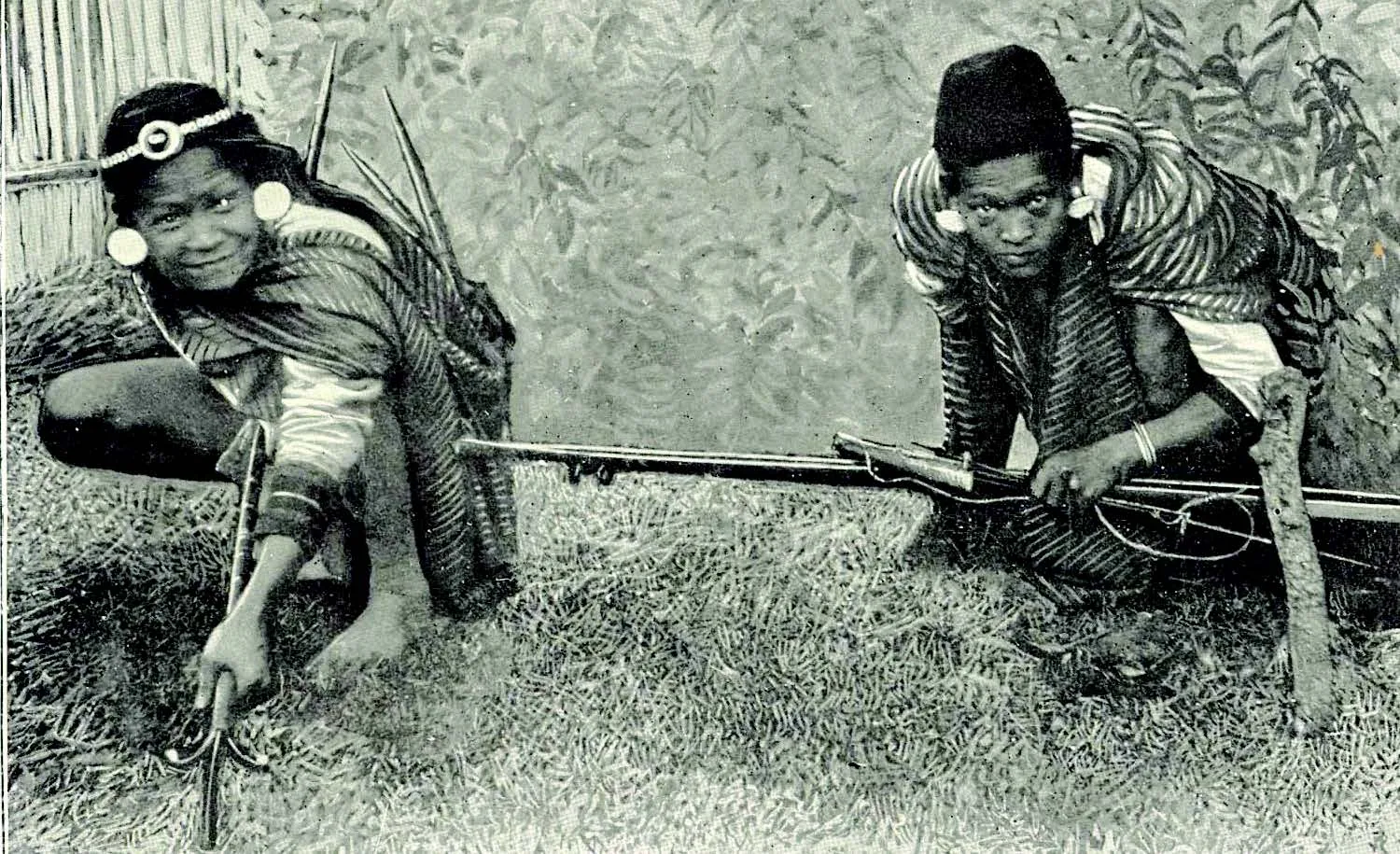
Dr. Mackay's contact with and study of Taiwan's indigenous peoples were remarkably deep and authoritative. He entered the mountains from Shitan, near the Pepohoan church at Xingang, and from near Xindian and Sanxia in Taipei, and made contact with the Atayal and Saisiyat peoples; although he several times narrowly escaped their headhunting, he also built a deep friendship with them. Interestingly, besides his excellent medical skill, his friendliness and his sincerity, it was also because he did not wear the Han Chinese queue that the indigenous people disliked that they called Mackay one of their “own clan”. In his books Mackay always used the word “unsubdued” to describe them, praising them for being free of the moral vices common among civilized people.
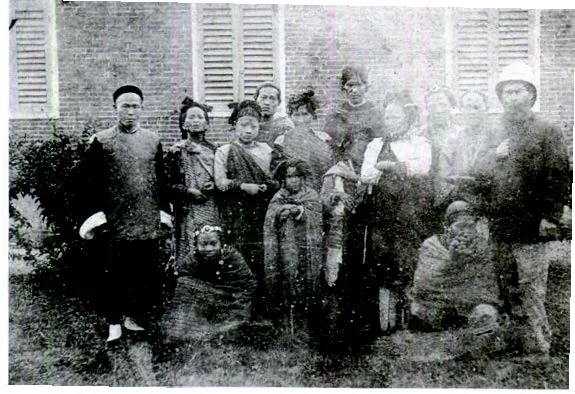
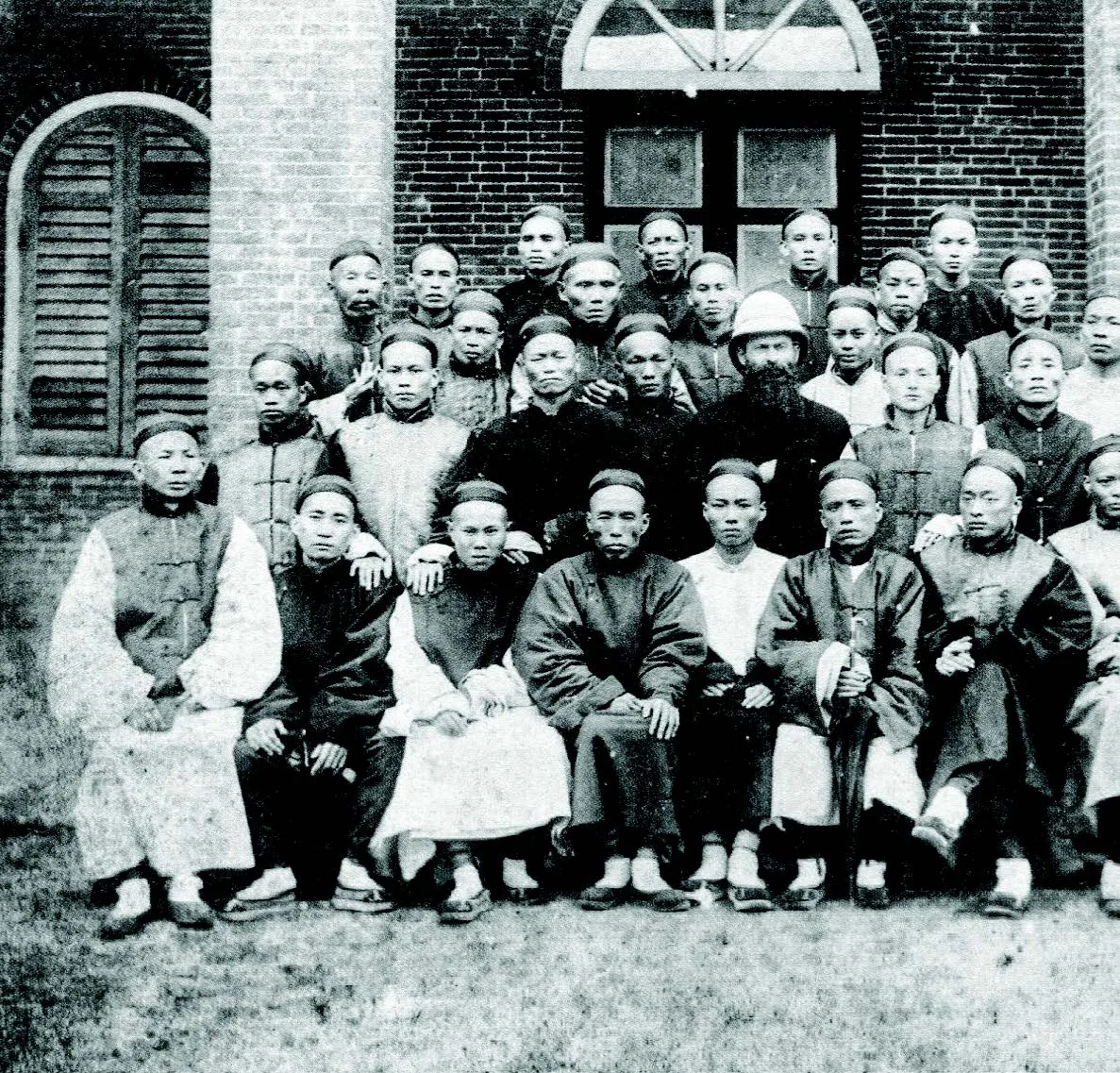
Dr. Mackay photographed with the local preachers he had trained in the early years, in front of Oxford College in Tamsui. Dr. Mackay stands in the centre; at upper right is Yen Ching-hua (嚴清華), and first from the left in the front row is Chen Jung-hui (陳榮輝), the two earliest local pastors in northern Taiwan. From the right in the front row are Pa Pao-lung (八寶龍), Hsiao Tien (蕭田), Yeh Shun (葉順), Chen Tsun-hsin (陳存心), Chuang Tien-neng (莊天能), Wu Kuan-yu (吳寬裕) and Liu Tsai (劉在). All were important leaders of the churches in the north.
Read on: the school's history
Oxford College and the Tamsui Girls' School