History · Chapter 2
The Girls' School and the founding of Tamsui Middle SchoolThe establishment of the Tamsui Girls' School and Tamsui Middle School
Translated from the gallery’s own Chinese text. Where the two differ, the Chinese is the record.
01Change under Japanese rule and the decline of Tamsui
In 1893 Dr. George Leslie Mackay returned home for the second time. The following year the First Sino-Japanese War broke out, and the defeated Qing empire ceded Taiwan to Japan under the Treaty of Shimonoseki. At the end of 1895 Dr. Mackay returned to a Tamsui under a new regime; thanks to his efforts, both the hospital and the schools were able to go on developing. But after Japan took over Taiwan it improved the island's public works effectively, and in particular the primary schools, middle schools, agricultural schools and medical schools it opened, together with fully equipped government hospitals, made the schools and hospital that Dr. Mackay had founded in the late Qing, and of which he was proud, look outdated by comparison.
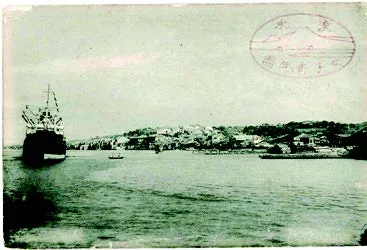
After Japan took possession of Taiwan the harbour at Tamsui silted up steadily and was replaced by the port of Keelung, becoming an international port in name only. The picture shows the harbour area in front of what is today Tamsui MRT station in the 1930s; the steamship on the left of the photograph is the Taikan Maru of the Shih Ho-fa trading company of the time.
Dr. Mackay had himself said that in this new environment the educational policy would have to be adjusted and the schools enlarged to meet the changing situation. But in June 1901 he died of throat cancer, leaving his purpose unfulfilled.
Tamsui too was changing. First, the advantages conferred by the trade treaties of the late Qing no longer existed once the political order changed. Second, the foreign merchants on whom Tamsui depended for its growth, and their entrepot trade, were gradually suppressed and replaced by the Japanese. Moreover, Tamsui was a river-mouth port, and as reclamation upstream affected soil and water conservation the channel silted up and grew shallow, so that large ships could hardly enter; Keelung was also nearer and more convenient to Japan, and from 1903 the volume of trade at Keelung exceeded that at Tamsui.
Because the Japanese government developed the port of Keelung vigorously, and because of the convenience of the railway, Keelung became the gateway to Taiwan, and Tamsui gradually sank to being an international port in name only. At the same time, after taking over the city of Taipei the Japanese government had built it up into the foremost district of Taiwan, so that Dr. Mackay's earlier policy of making Tamsui the centre of mission, medical and educational work was still less suited to the times.
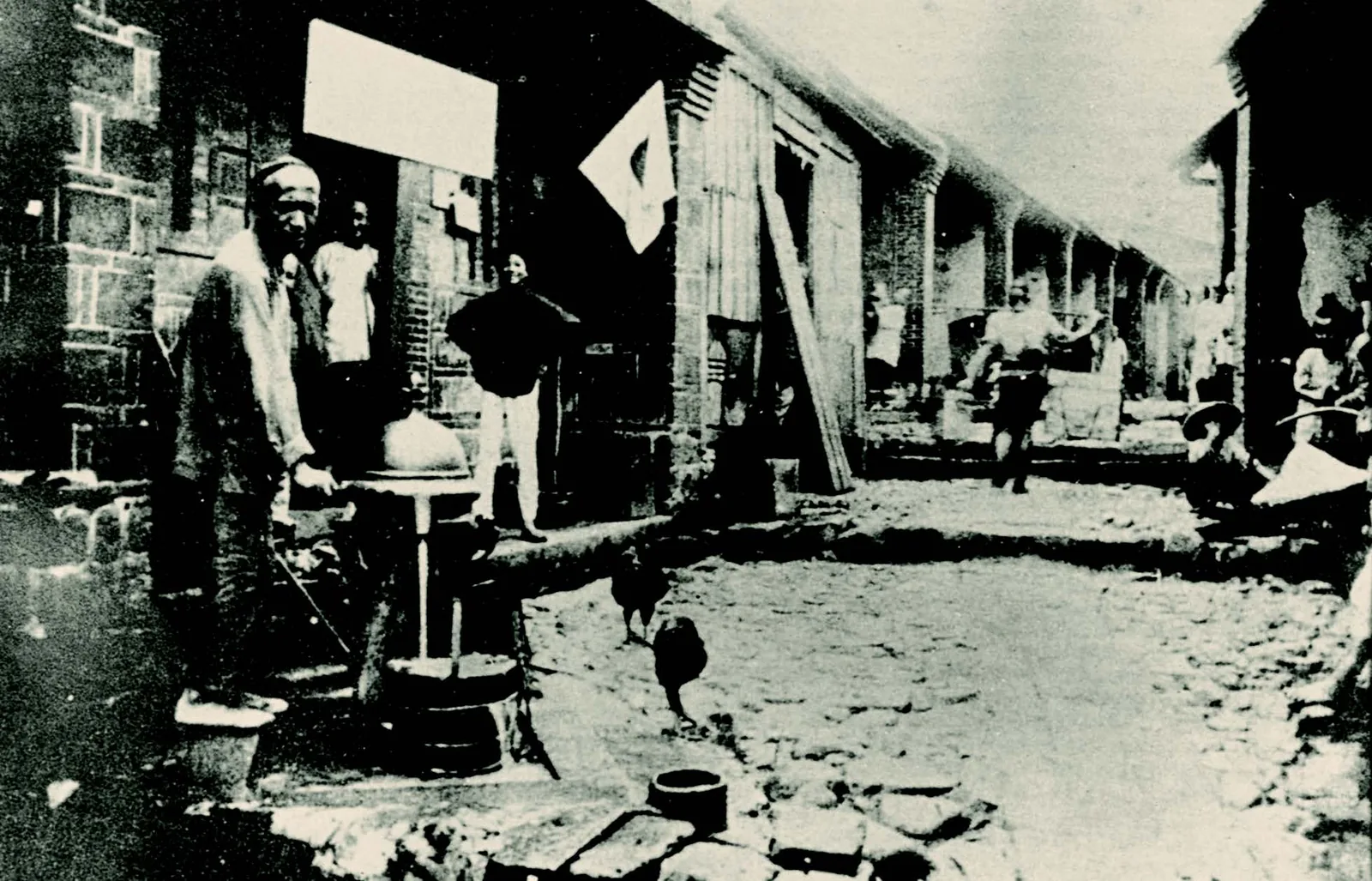
Although the port of Tamsui declined, under vigorous development by the Japanese government the town remained an extremely important one near Taipei. The picture shows Taiwan's first piped water system, brought into use in 1899. On the left of the photograph is a public standpipe, at what is today Chongjian Street in Tamsui.
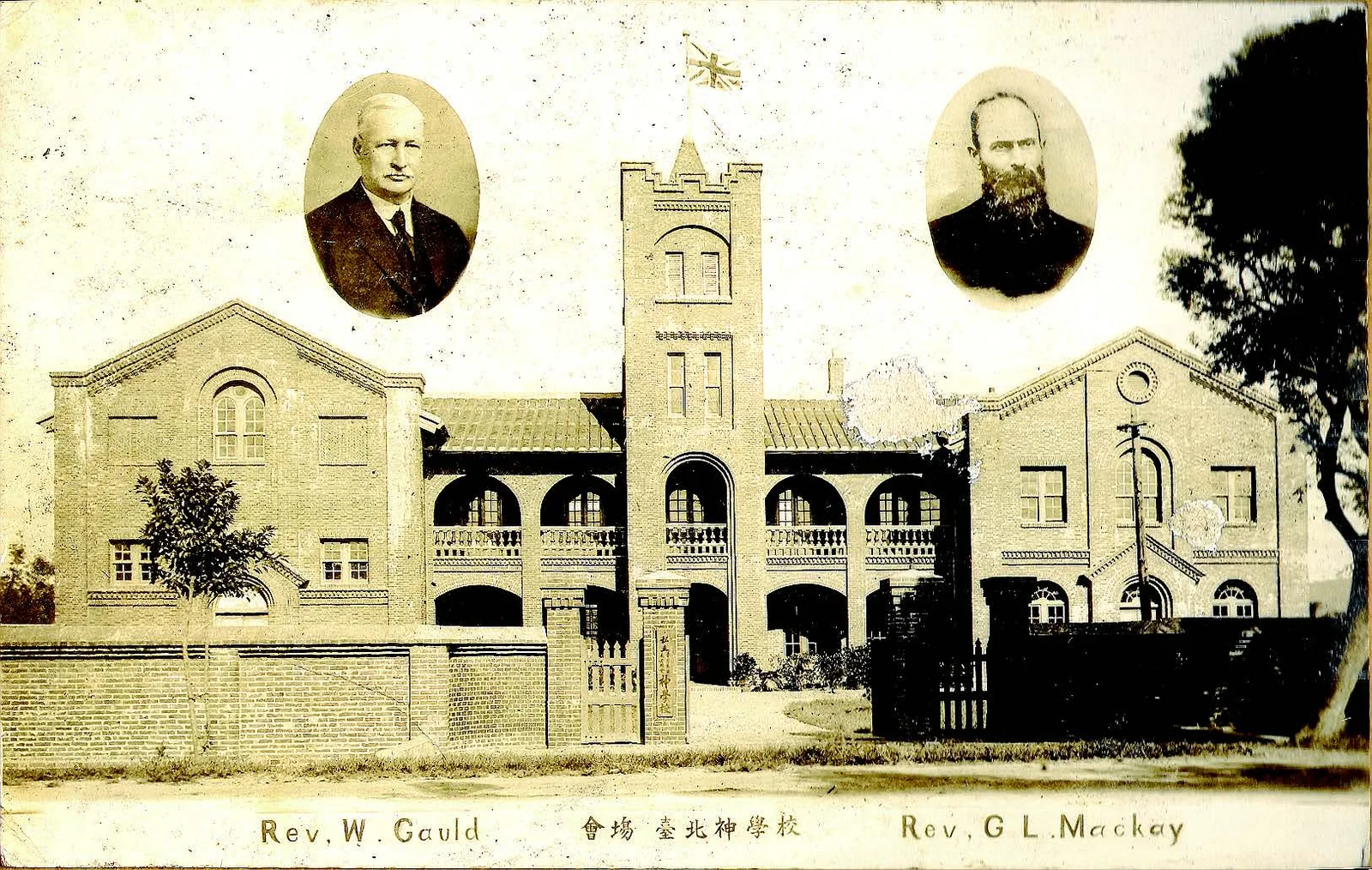
In October 1892 the Rev. William Gauld arrived at Tamsui from Canada with his newly married wife. While Gauld was at high school Dr. Mackay made his first return home; deeply moved by hearing him speak, he resolved to follow Dr. Mackay's example, and after graduating from university and completing his training he was sent to Taiwan, later becoming Dr. Mackay's successor.
During Dr. Mackay's second furlough Rev. Gauld acted in his place for three years. That period coincided with the war between the Qing and Japan, and it was entirely owing to his own resourcefulness that the work came through the crisis, ample proof that he was a man of rare ability.
Rev. Gauld turned the situation after Dr. Mackay's death into one of joint leadership by foreign missionaries and local church leaders. On 9 May 1904 they sent a historic memorandum to the home church in Canada, two items of which are considered to have given rise to today's Tamkang Senior High School. One was to send out two qualified single women teachers to be stationed at the Tamsui Girls' School, to strengthen women's education for the new age; the other was to build a suitable middle school or preparatory school in order to raise the standard of the theological college. These proposals received full support from Canada, and a second wave of school building accordingly began in Tamsui.
02The Tamsui Girls' School reopens in the old Girls' School buildings
In November 1905 Canada duly sent two women missionaries, Miss Jane Kinney (金仁理姑娘) and Miss Hannah Connell (高哈拿姑娘), to Tamsui to take up work in women's education. Ko-niu (姑娘) is the respectful term used in Taiwan and in the Minnan region of China for those single women missionaries who sacrificed the years of their youth and the happiness of marriage to serve abroad. Ko-niu is also a part of Tamkang's culture.
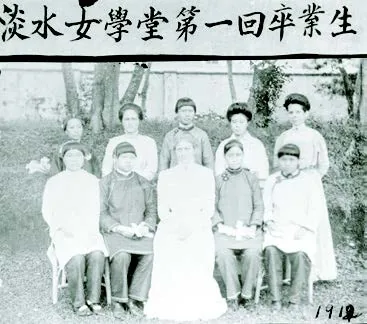
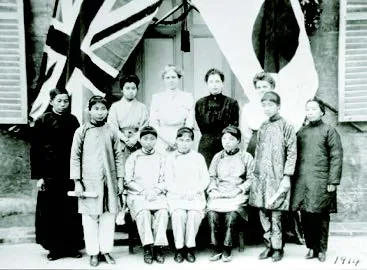
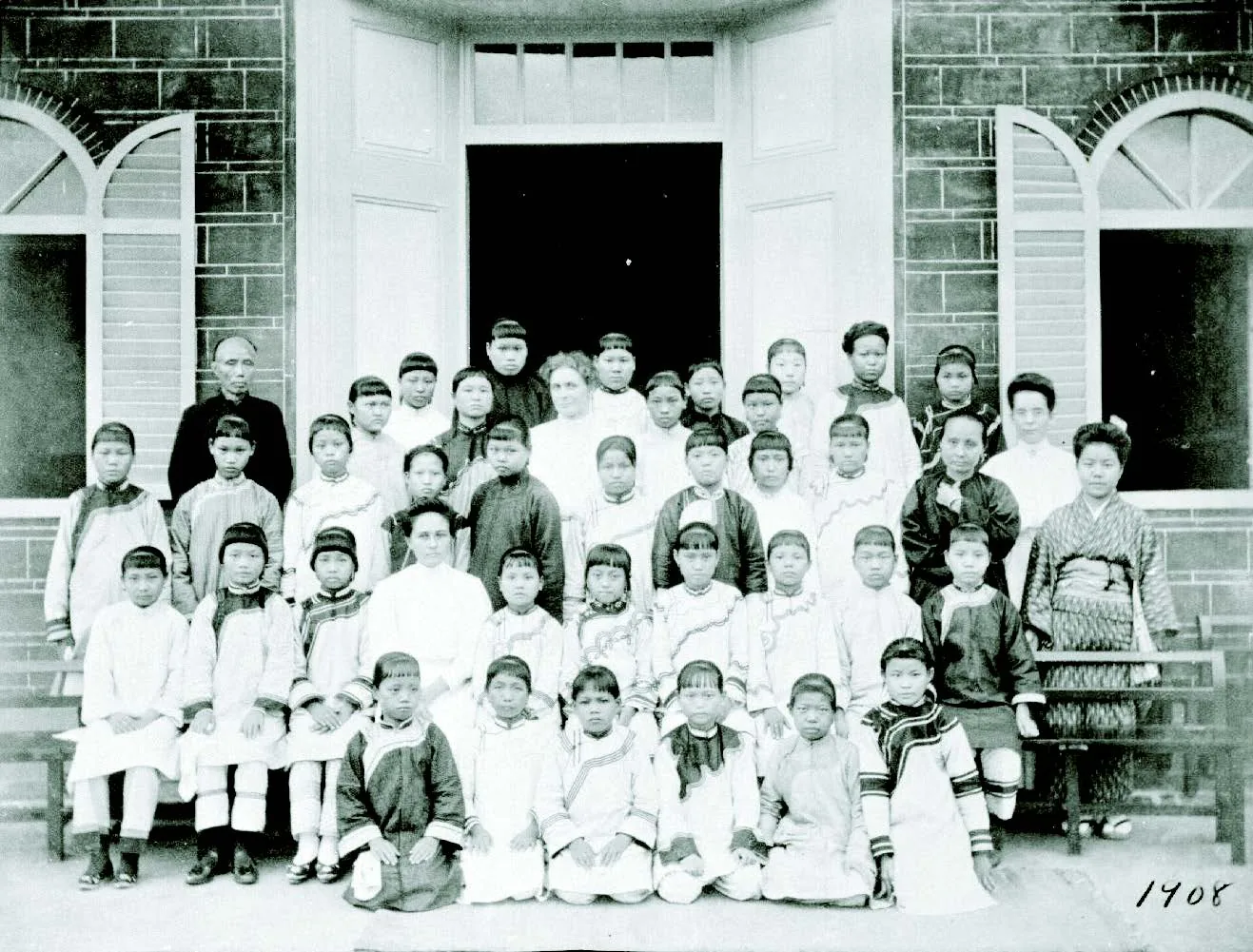
On 1 October 1907 this girls' school, which conformed to the Japanese government's education system, reopened in the old buildings of the Tamsui Girls' School built by Dr. Mackay. There were 24 students in all, admission being limited to those aged 12 and over; it was a school giving secondary education. Miss Kinney, a Master of Education, served as principal. Besides the ordinary middle-school subjects the teaching included the Bible in Chinese, music and other subjects, and lessons were given in Taiwanese. Besides Miss Kinney the teachers were Miss Connell, Mrs. Gauld, Miss Mackay (偕以利) and several Japanese women teachers. The following year the school invited the parents to visit, and they expressed satisfaction with its surroundings, facilities, teaching and management of daily life. From 1912, to fit the Japanese system, the school year began in April and ended in March of the following year.
At the same time, because of the change in the Tamsui Girls' School's educational policy, the women who had missed schooling, the married women and the church's Bible women whom the old Girls' School had served had nowhere to study. To make up for this work, the church built further premises on the high ground to the east of the Girls' School. This Women's School (婦學堂) opened in 1910 with Miss Hannah Connell as its first principal; the purpose of the school was to train the church's Bible women and women members.
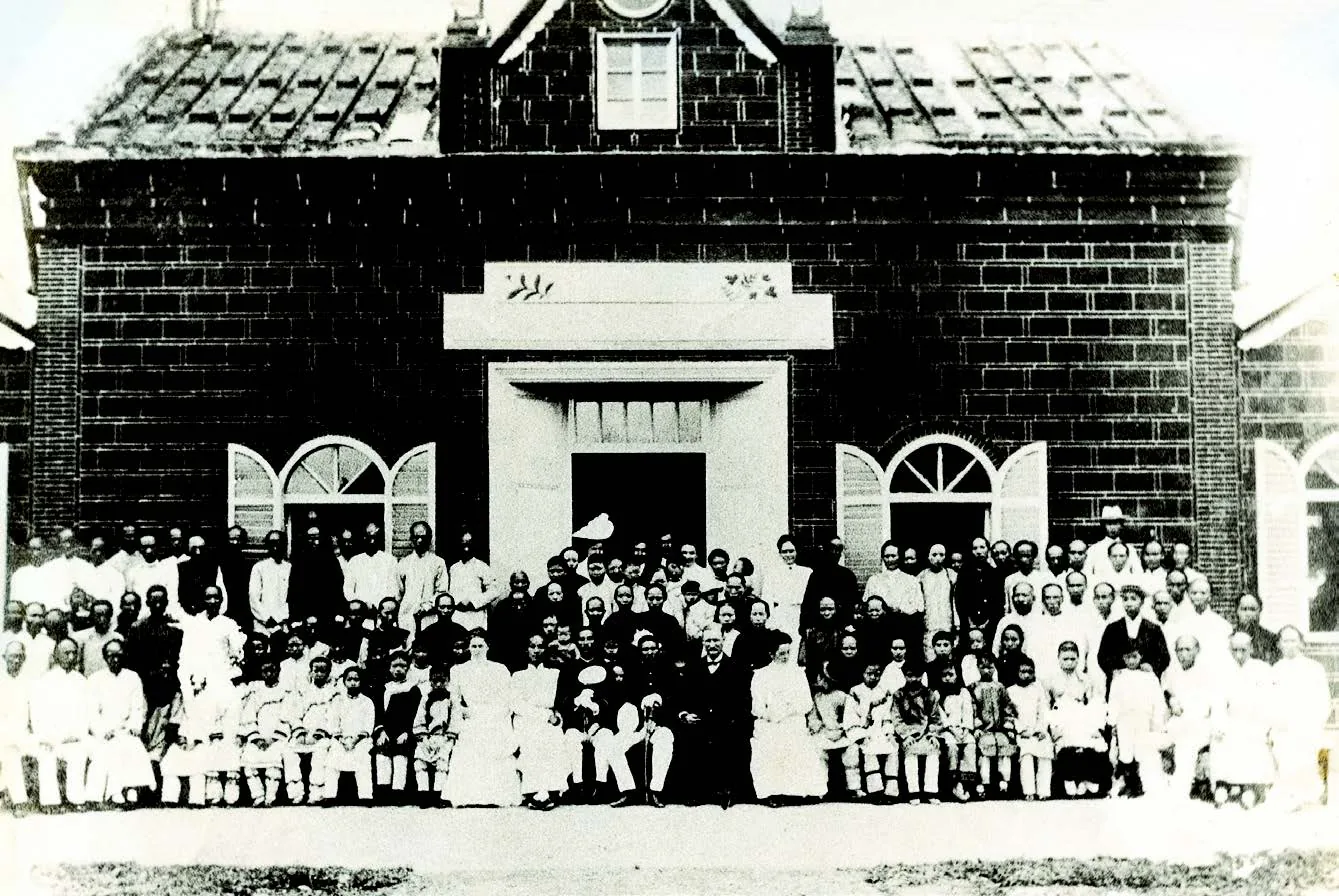
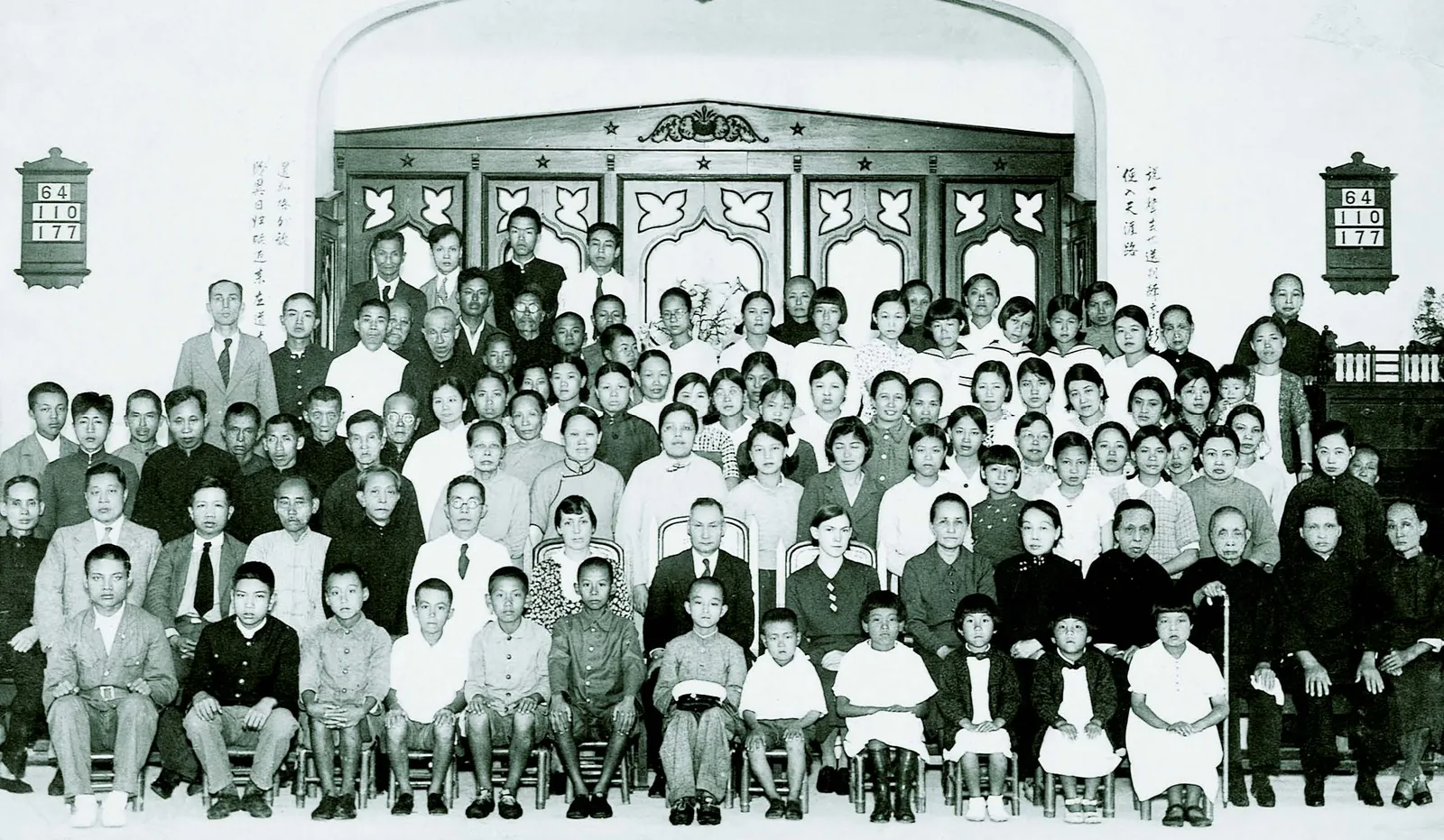
On 1 October 1907 the Tamsui Girls' School reopened in the old buildings of the Tamsui Girls' School built by Dr. Mackay. Seated in the centre are William Gauld and an official of the education section of the Japanese Taihoku Prefecture.
Chi-Oan Iwad (芝苑, also written 姬望), whose life was full of legend and who is honoured as the mother of the indigenous church, was brought back from eastern Taiwan to study at the Women's School by the Rev. James Dickson (孫雅各) in 1929. After graduating in 1931 she returned to Taroko, and under pressure and pursuit from the Japanese police she still bravely spread Christianity through the Atayal and Truku indigenous villages.
The Women's School had a two-year course. Besides the women missionaries there were three part-time teachers and a full-time resident matron. The subjects taught included Chinese, Japanese and penmanship, but the Bible and music were its distinguishing features. Miss Connell held a bachelor's degree in music, and Mrs. Gauld had long been called the mother of music in the northern church; she taught strictly, and 'There is no just about in music' was her well-known saying.
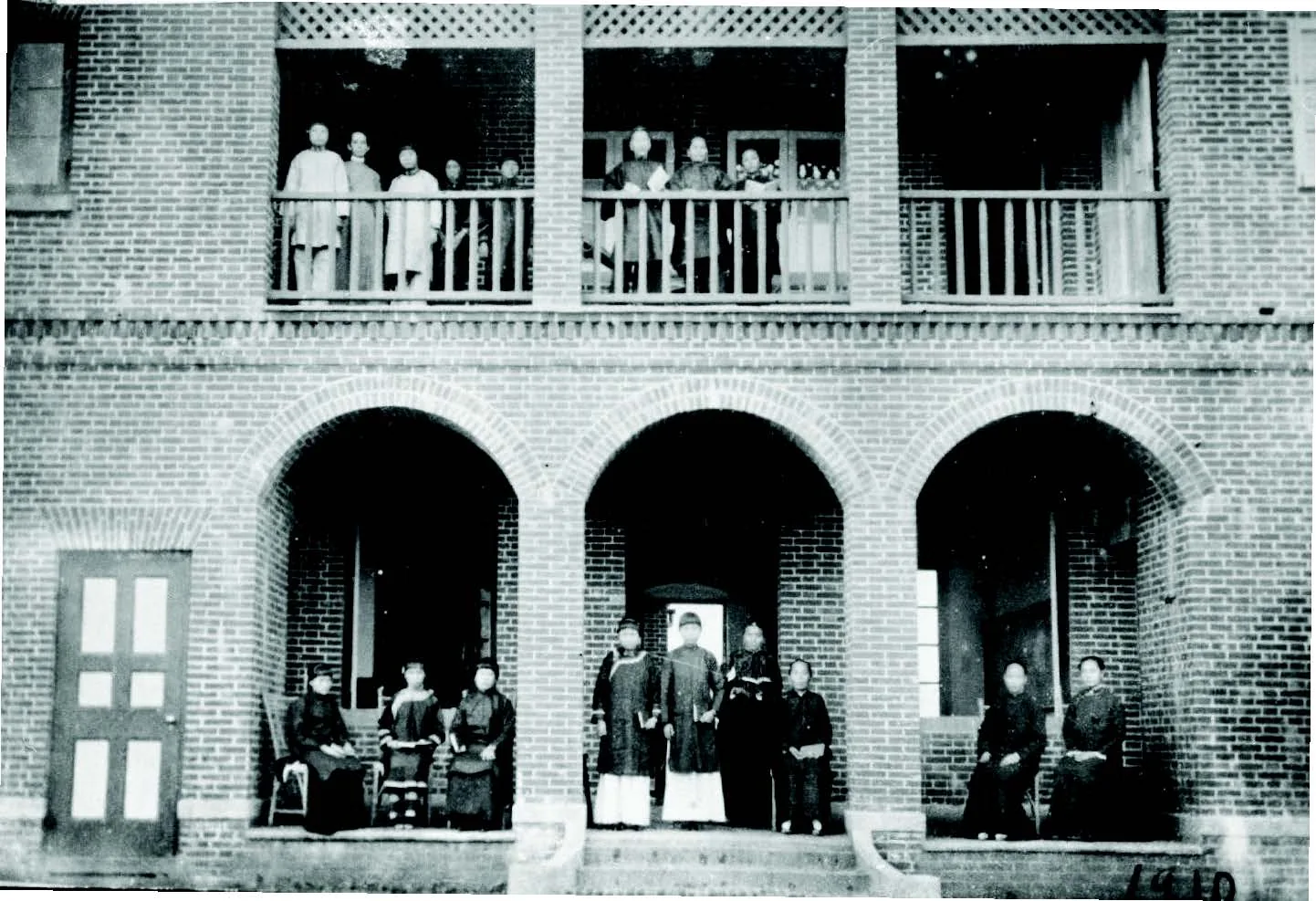
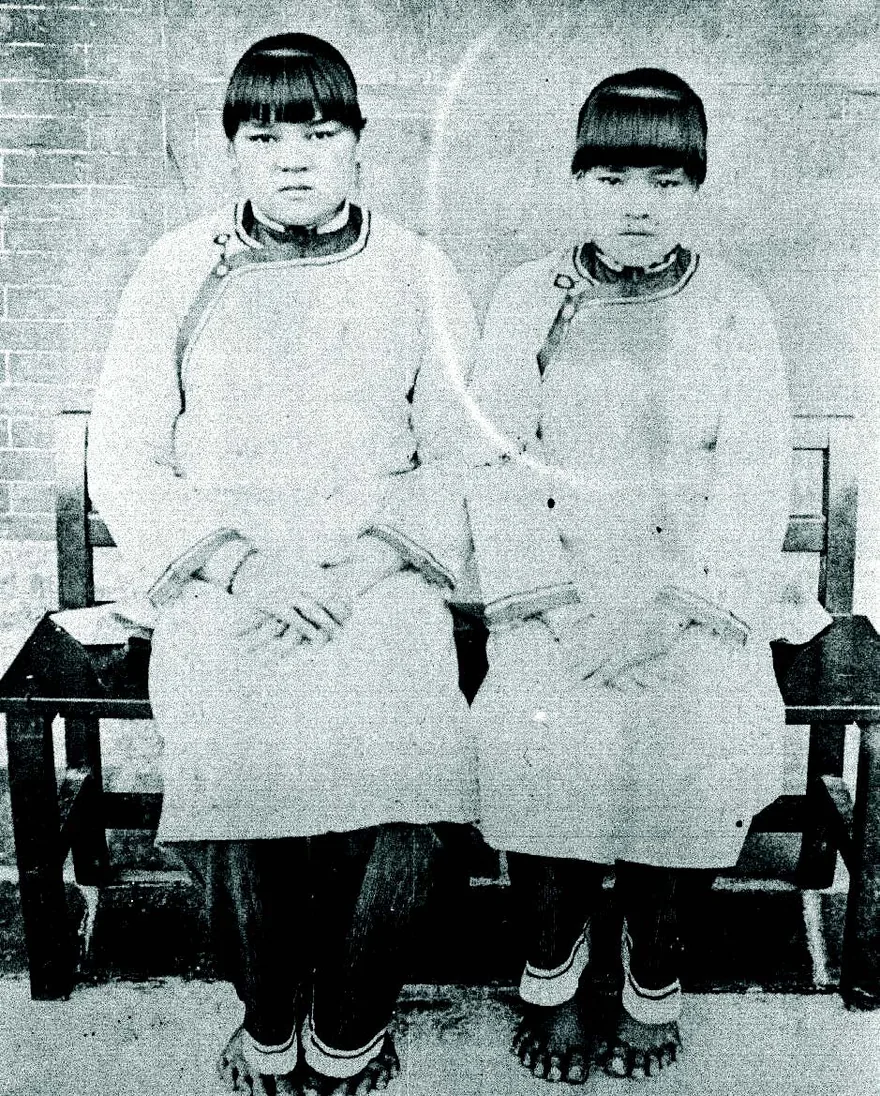
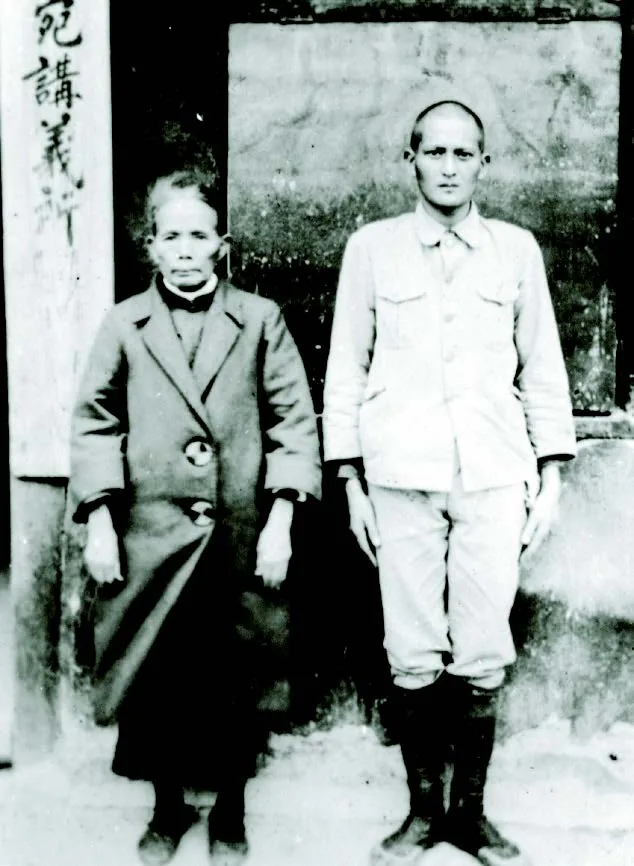
Graduates of the Women's School had a very great influence on the development of music in the church and in the society of the day. By 1922 the Women's School had produced two hundred graduates; in 1929 it was renamed the Women's Free School (婦女義塾) to comply with the regulations, and it carried on until it closed in 1937.
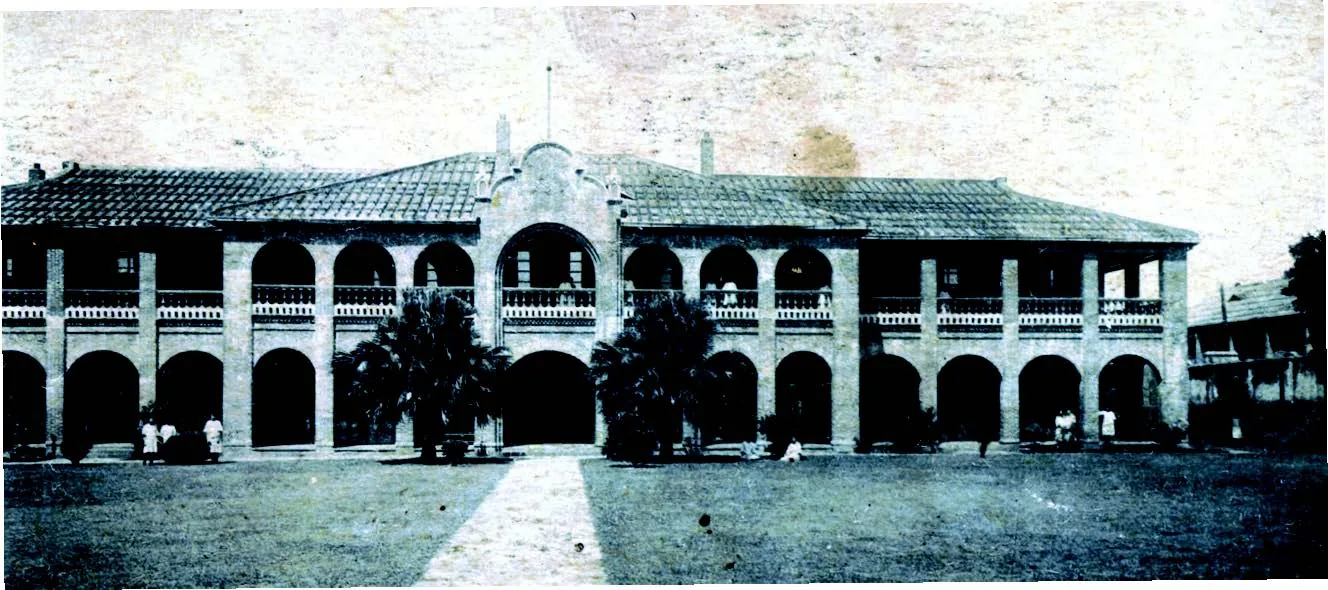
By 1915 the Girls' School buildings put up in Mackay's time were not only old but too small. It was decided to rebuild them, and the Girls' School therefore suspended teaching for a year. In 1916 the new buildings designed by William Gauld were completed; the school reopened on 1 June, a higher girls' department was added and it was formally renamed the Tamsui Girls' High School, with a four-year preparatory course and a four-year main course. After the reorganisation Miss Kinney remained principal, and other teachers joined: two from Japan, four from Taiwan, and Miss Mabel Clazie (黎瑪美姑娘), who had been sent from Canada in 1910. Thereafter the number of students grew year by year and the level rose steadily. So that the school's graduates could go to Japan for a university education, the Girls' School changed from its former teaching in Taiwanese and conducted most lessons in the national language (Japanese).
03Tamsui Middle School is founded at Oxford College
After Dr. Mackay's death Rev. William Gauld continued to direct Oxford College, which was turned into a theological college. By that time the Japanese had achieved much in their administration of Taiwan: in education they had set up schools and normal schools, and the six years of public education provided everywhere had been completed, so the standard of the theological college (Oxford College) also had to be raised.
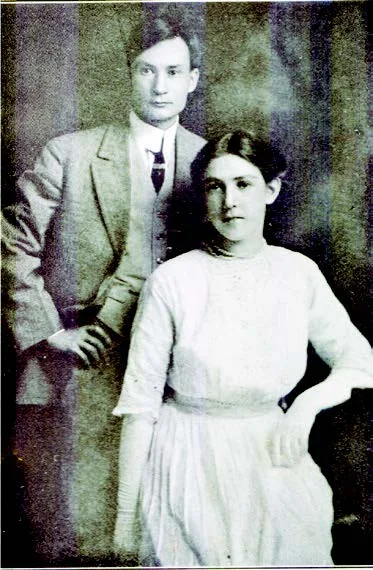
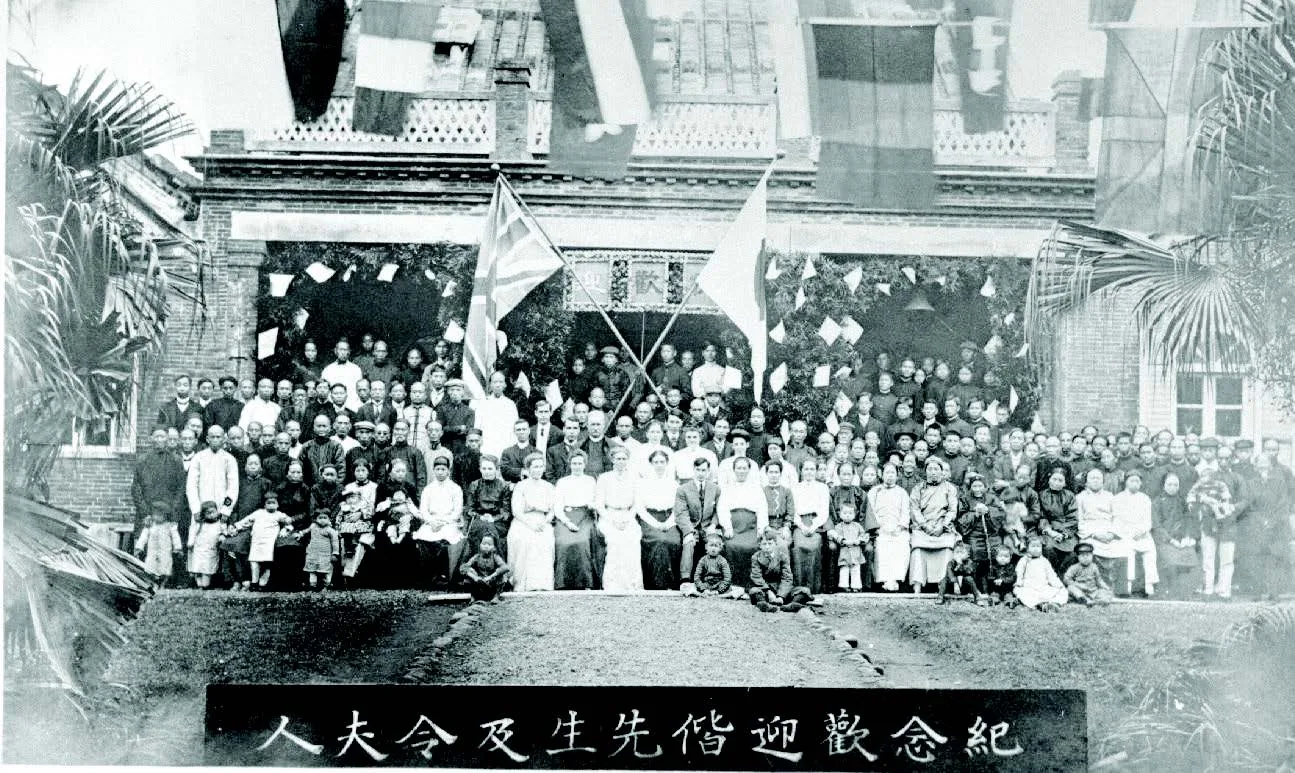
In April 1911 Mr. George William Mackay married Miss Jean Ross, a primary school teacher, and on 4 December returned to Taiwan after ten years away. The picture shows the welcome held for them by members of the northern churches and by family in Taiwan at Oxford College in Tamsui.
From 1909 the theological college established a school-year system; entrants had to have completed primary education, and it was divided into a theological department and a general department. The general department was the beginning of secondary education. But this was not enough to raise the level of the theological students, and so it became a matter of urgency to establish a separate preparatory school giving the young people of Taiwan the chance of a secondary education.
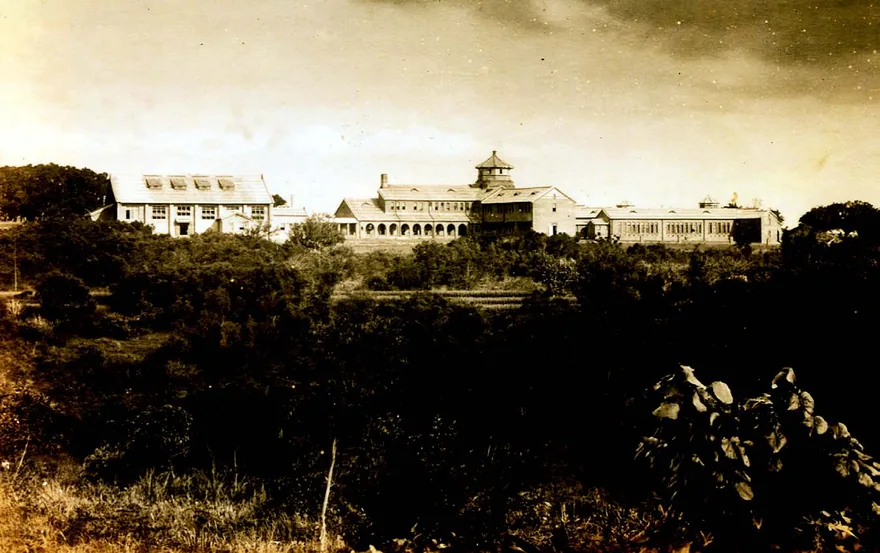
At the end of 1911 Dr. Mackay's eldest son, George William Mackay, having obtained a master's degree in education, returned to Tamsui with his newly married wife, Mrs. J. R. Mackay, to prepare for a middle school. In the same year the northern church decided to move the centre of its mission work from Tamsui to Taipei and to build new premises for the theological college. After that move the Oxford College buildings became the premises of this middle school in Tamsui.
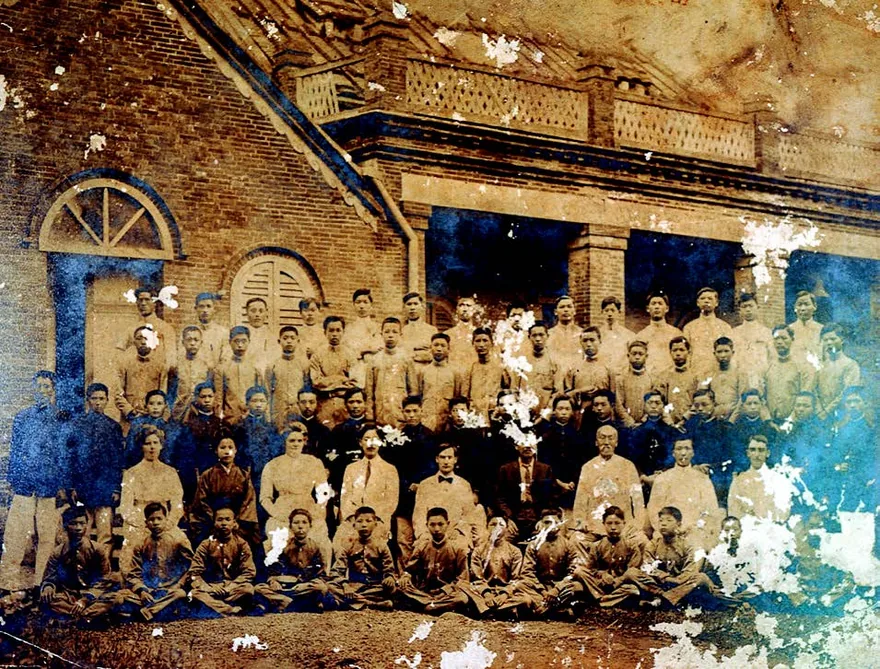
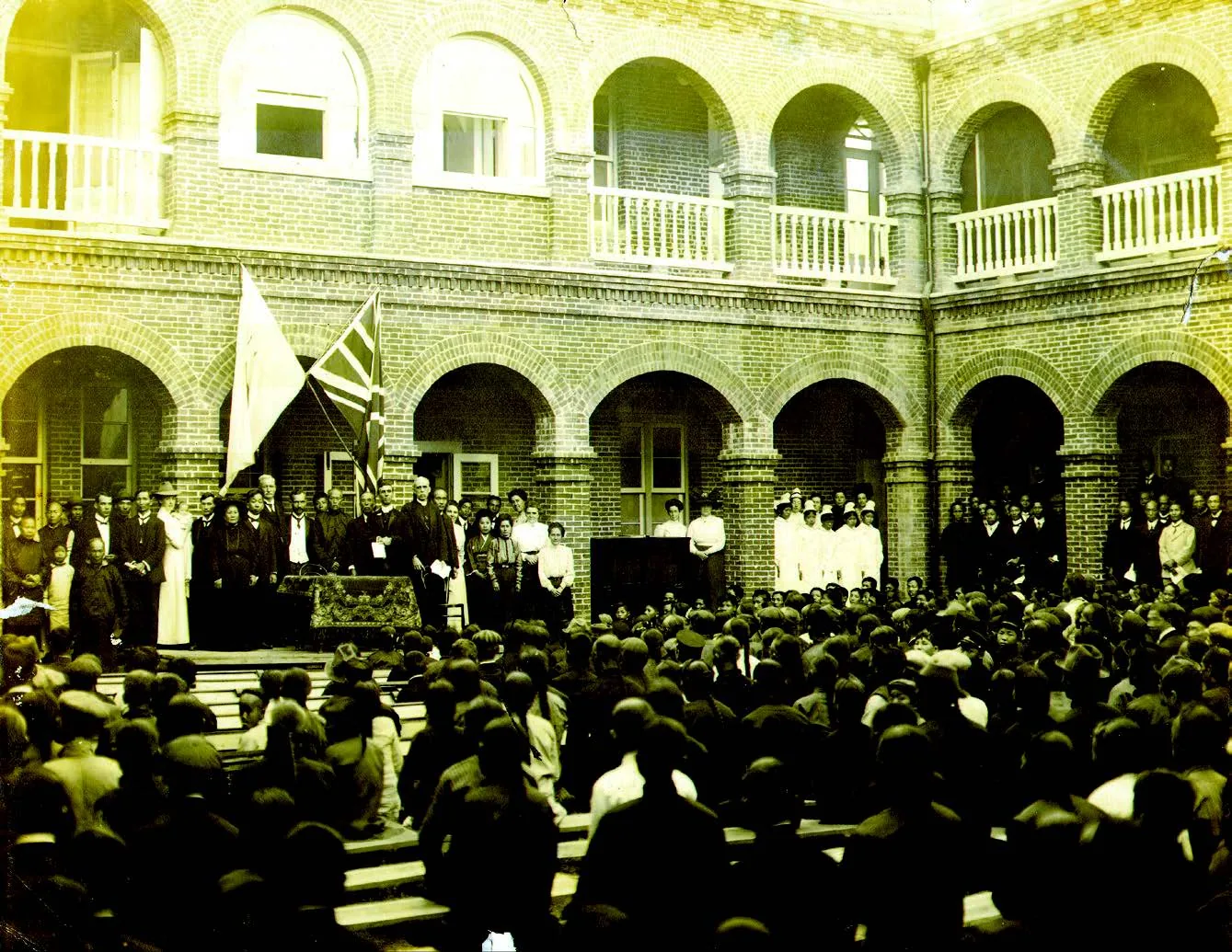
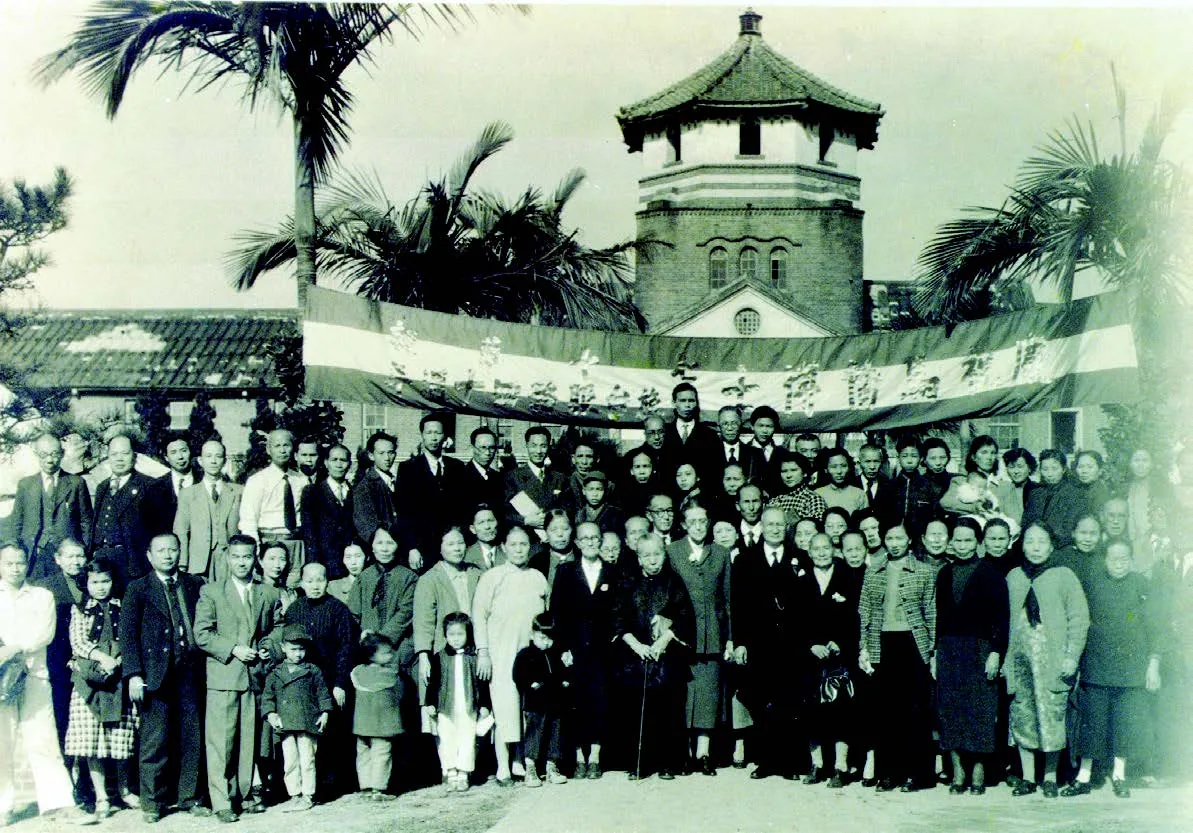
Tamsui Middle School finally received registration approval from the Japanese government on 9 March 1914. This earliest formal five-year middle school for local young people in northern Taiwan opened in the buildings of Oxford College. The picture shows the opening ceremony on 1 April.
After several years of preparatory work, permission to establish the school was finally obtained from the Japanese Government-General on 9 March 1914. Encouragingly, this was the very date on which Dr. Mackay had landed at Tamsui 42 years before. From then on this day also became the anniversary day of Tamkang Senior High School.
At half past one on the afternoon of 1 April 1914 Tamsui Middle School at last opened at Oxford College. The opening ceremony was a very grand one; government officials including Kumamoto (隈本), the head of the education bureau, the head of the Tamsui sub-prefecture and the head of the customs house all attended, and in his address Kumamoto praised the importance the church attached to educational work.
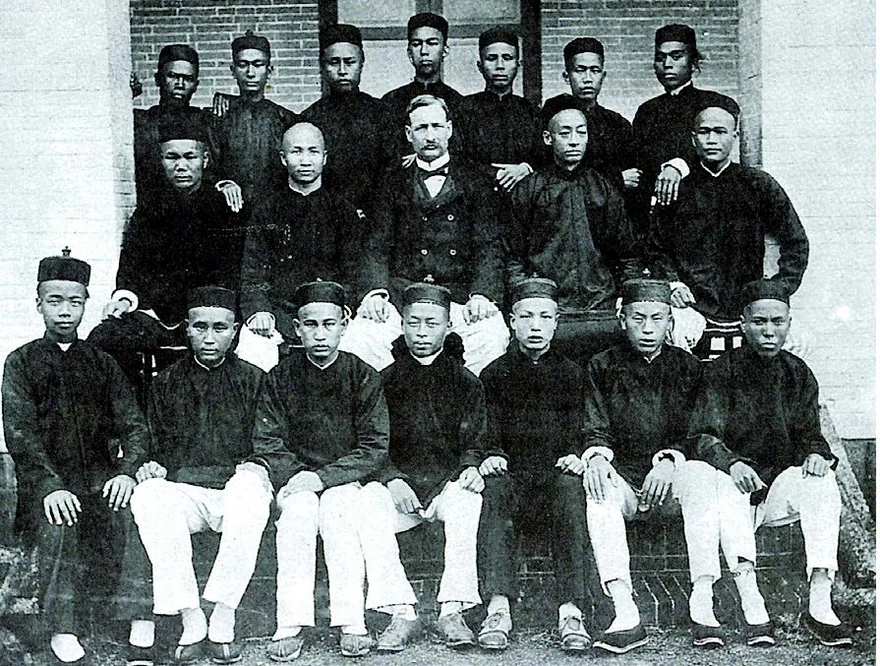
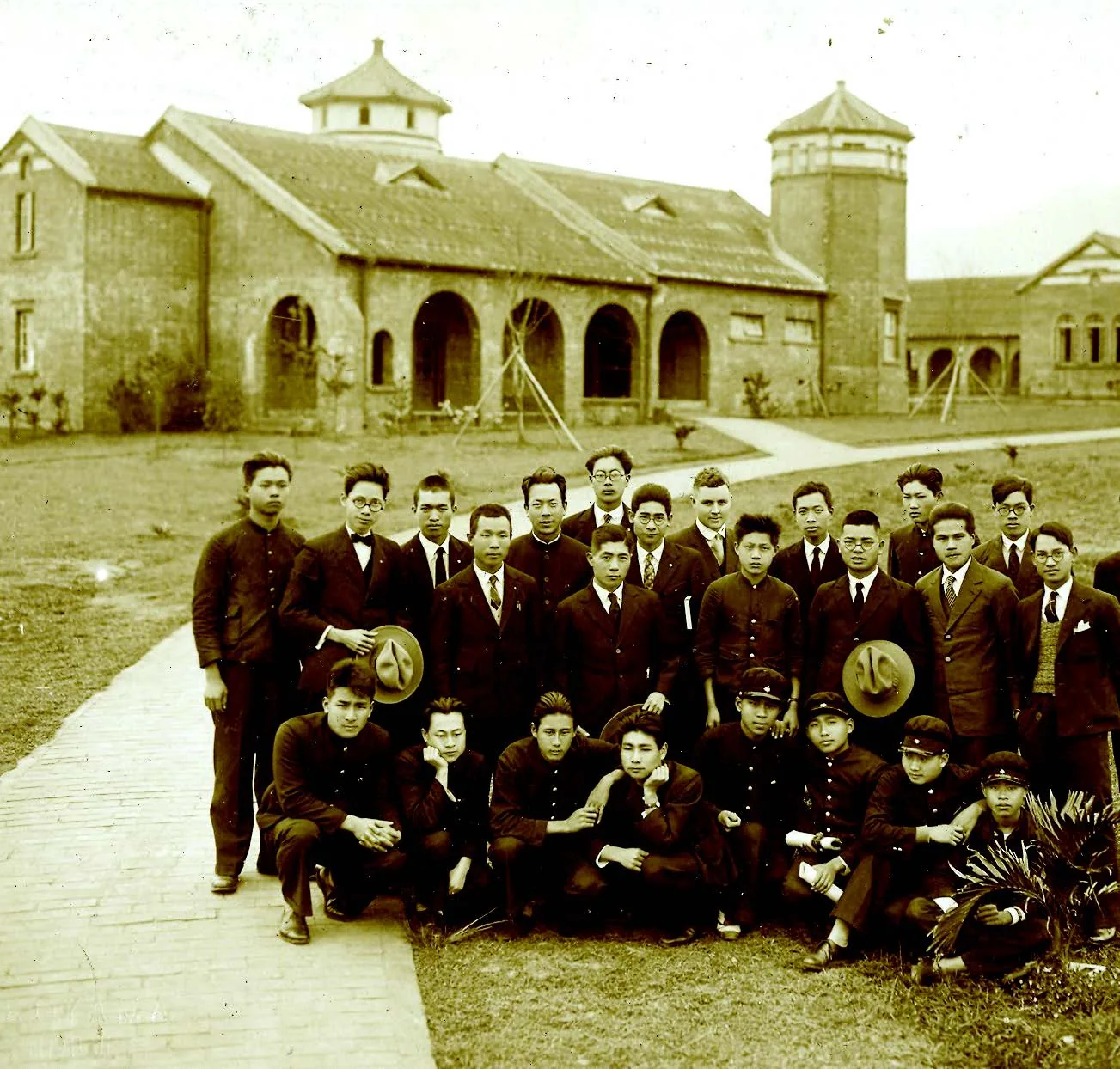
Tamsui Middle School may be said to have been the earliest formal five-year middle school for local people in Taiwan. Besides the twenty-odd students of the theological college's general department who stayed on to study at Tamsui, the first year's intake numbered twenty-five, and Mr. George William Mackay was the first principal. Of the school's ten teachers, apart from Principal Mackay they were: Mrs. Mackay; Mrs. Yueh Mei-tan (約美旦); Mrs. Gauld, who taught music; Mr. Kenneth Doawie (羅虔益), sent from Canada to Tamsui in 1913 to take charge of youth education and the planning and construction of the school buildings; three Japanese, namely the Rev. Narahashi Seijiro (楢橋盛次郎), Yasui Kurataro (安井藏太郎), who taught Japanese, and his wife, who taught physics and chemistry; and the licentiate Li Chung-sung (李種松) and the Rev. Hsiao An-chu, who taught Chinese.
Lessons at that time were given in Japanese and Taiwanese, but the teaching of English became a distinctive feature. The report of the school's second year notes: 'The middle school has about sixty students; the buildings are limited and cannot hold all those who wish to enter. English is one of the subjects taught, and for this reason many non-Christians, and even the children of Japanese, are willing to come and study here.' In 1919 the middle school's first class of nine graduated, the ceremony being held jointly with the Tamsui Girls' High School. The running and management of Tamsui Middle School and the Tamsui Girls' High School were at first the responsibility of the mission council formed by the missionaries; in 1923, to strengthen the educational work, the mission council also created an Advisory Council (學務會), made up of representatives from the mission council, the church and the alumni, as a body to study and advise on the running of the two schools. That year the local church appointed two ministers, Chen Ching-i (Dr. Mackay's eldest son-in-law) and Kuo Hsi-hsin (of Oxford College's first class), to the Advisory Council; this was the beginning of joint management by foreign missionaries and the local church, and for this reason the boys' and girls' schools may be said to have been one.
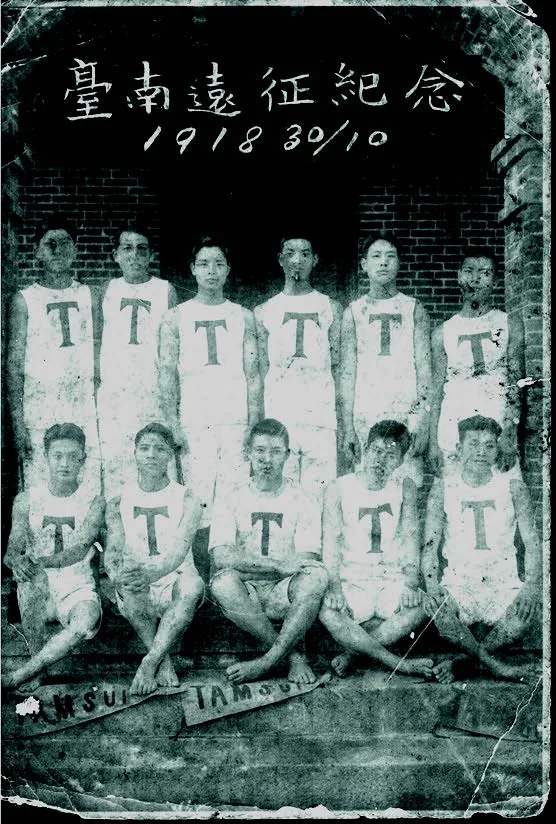
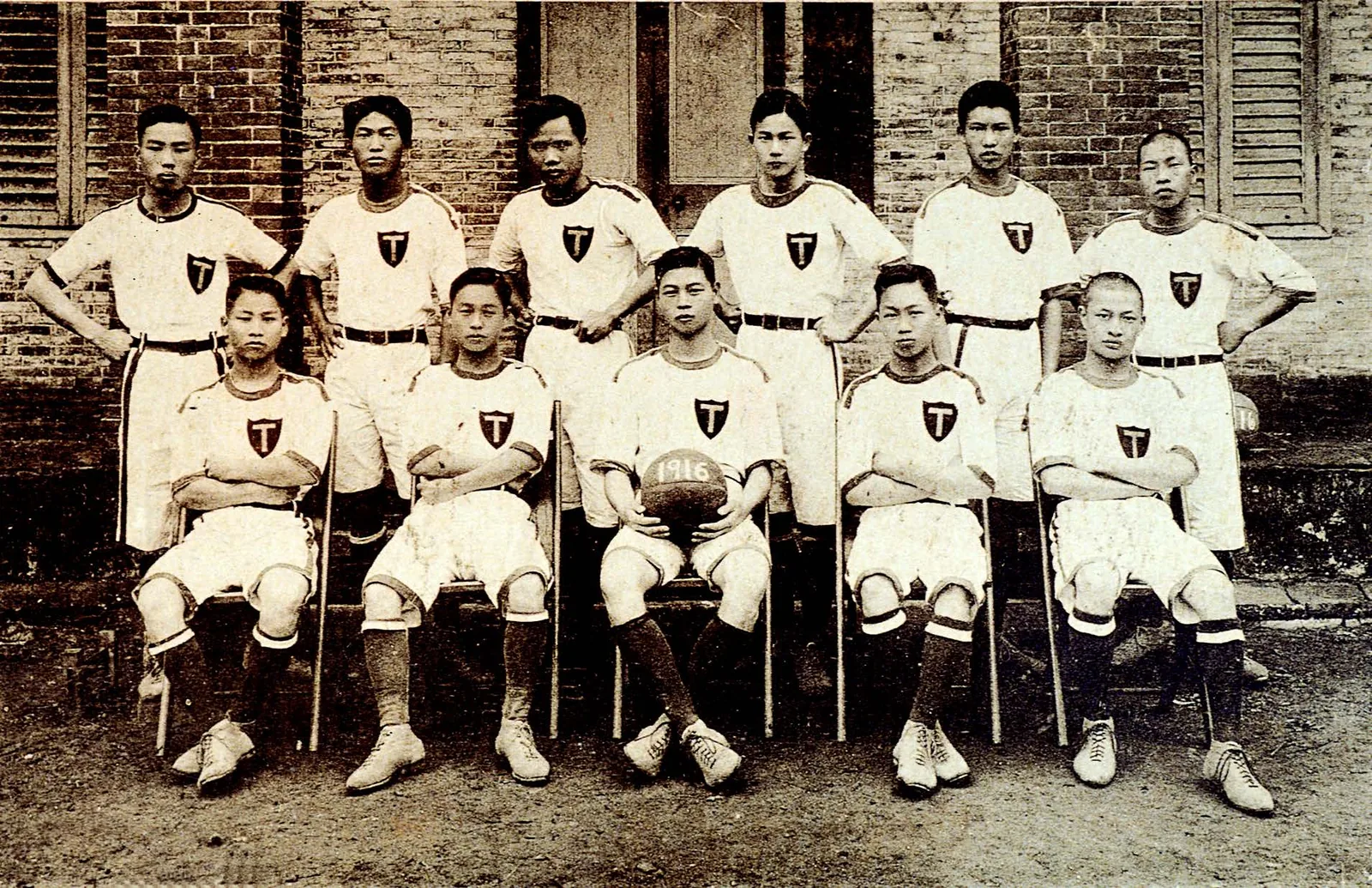
04A son of Taiwan, the second Mackay: Principal George William Mackay
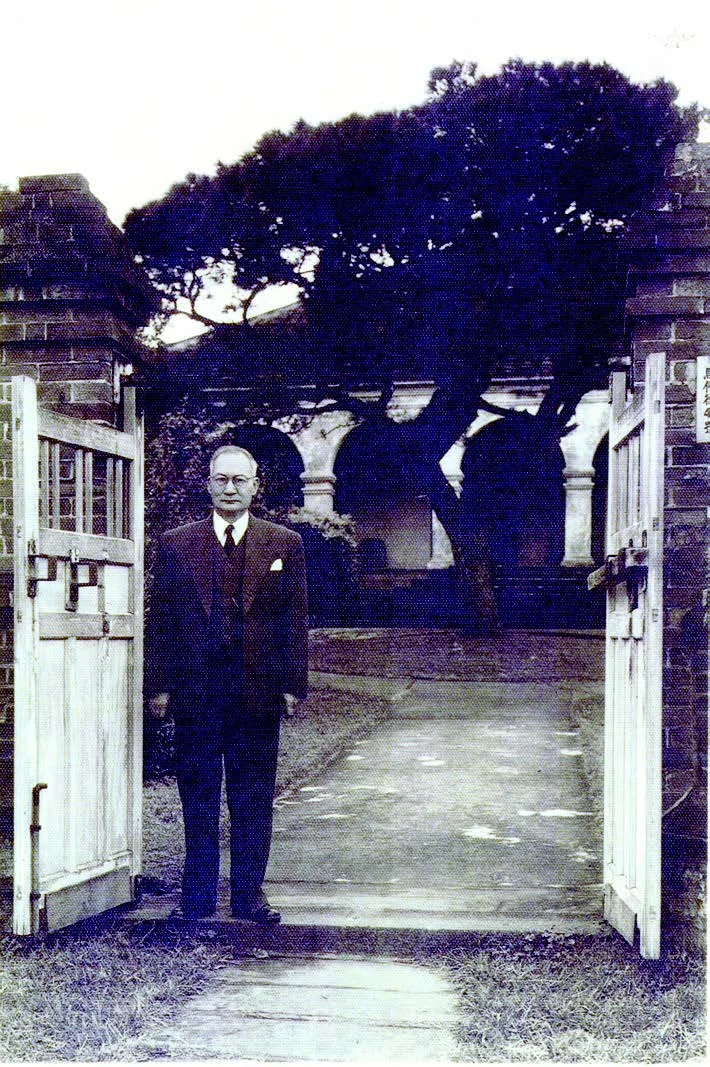
George William Mackay (Rev. George William Mackay, M.A., D.D.) was Dr. Mackay's only son. Although he was later ordained a minister and received an honorary doctorate of divinity, to distinguish him from his illustrious father people generally called him Mr. Mackay (偕先生).
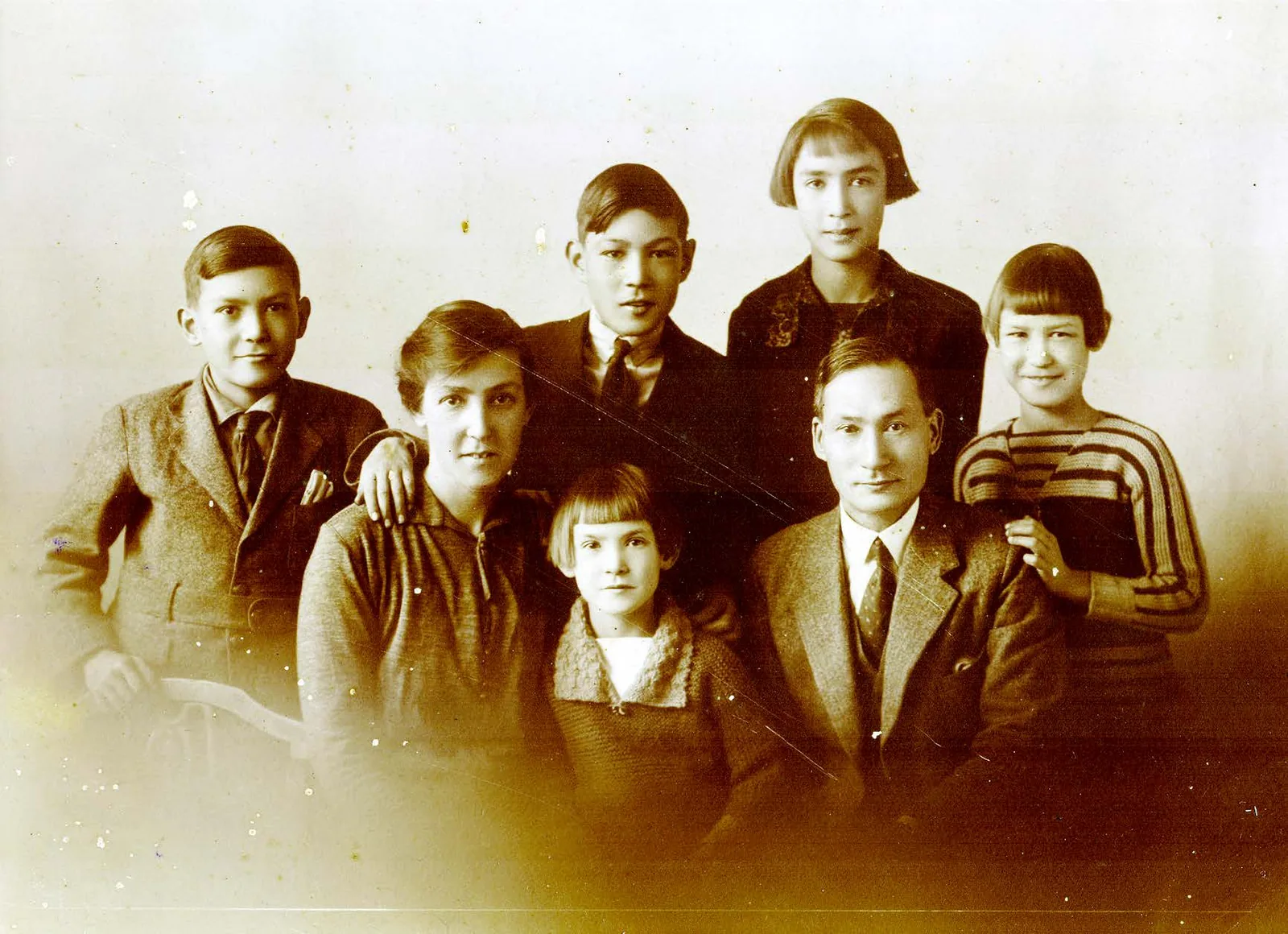
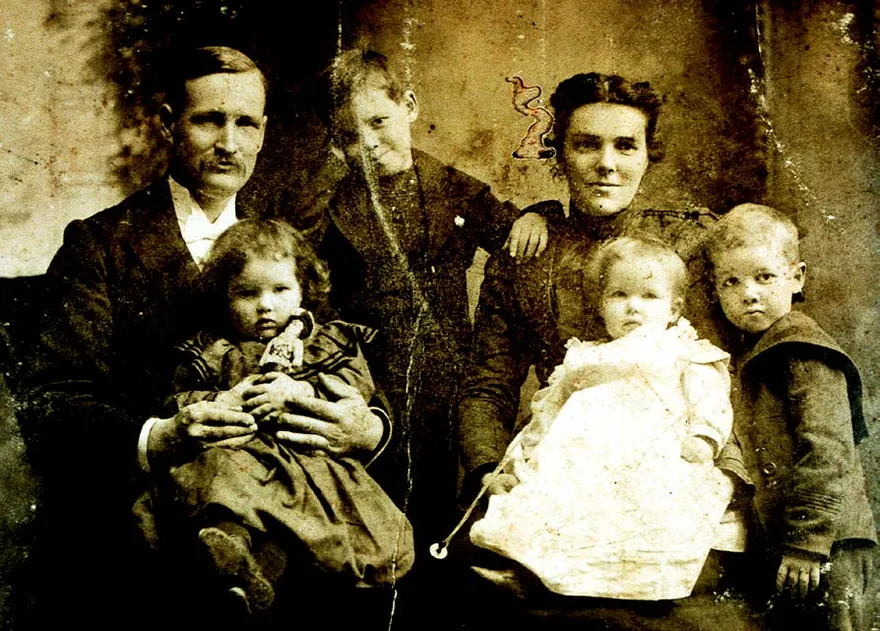
George William Mackay was the founding principal of Tamkang Senior High School; the picture is a family portrait. Between the couple is their third daughter Margaret (瑪烈); in the back row from the left are the second son John (約翰), the eldest son William (威理), the eldest daughter An-lien (安蓮) and the second daughter Ming-li (明利).
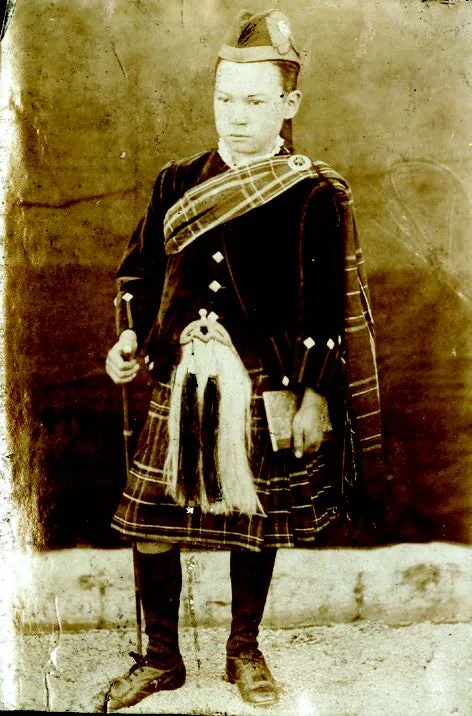
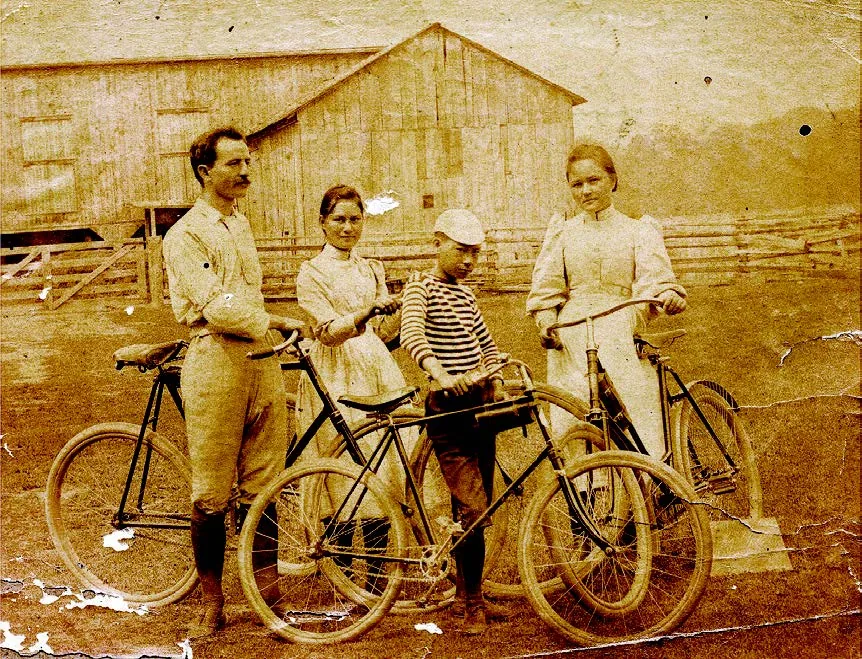
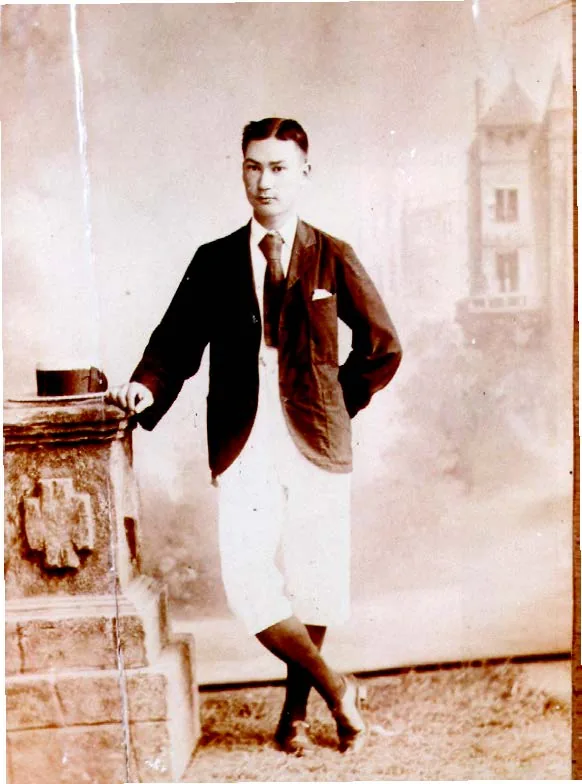
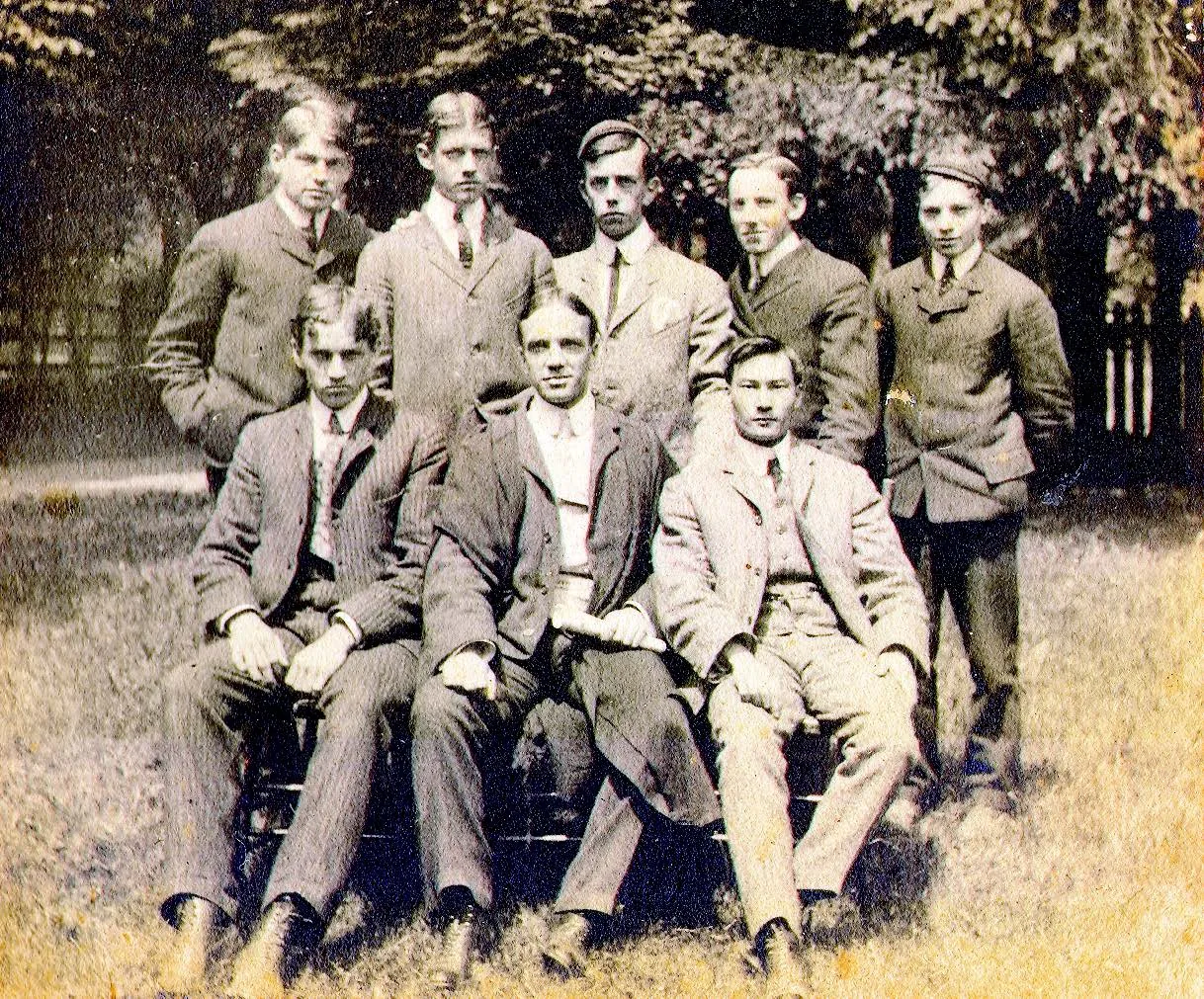
George William Mackay was born at Tamsui on 22 January 1882 and passed a colourful childhood in a missionary family full of legend. Busy as he was, Dr. Mackay was very fond of his children; besides teaching them himself, on his second return home in 1893 he took three of them with him to receive two years of Western education, and later sent George William to the Victoria Middle School in Hong Kong. After Mackay's death George William went to Canada to continue his studies, attending St. Andrew's College in Toronto and then the University of Toronto, until, having obtained a master's degree in psychology from Clark University in Massachusetts, he carried on his father's purpose, applied to the Canadian foreign mission board to go abroad as a missionary, and was duly sent back to his birthplace as a missionary. His task was to open a middle school for the northern church and for the young people of Taiwan.
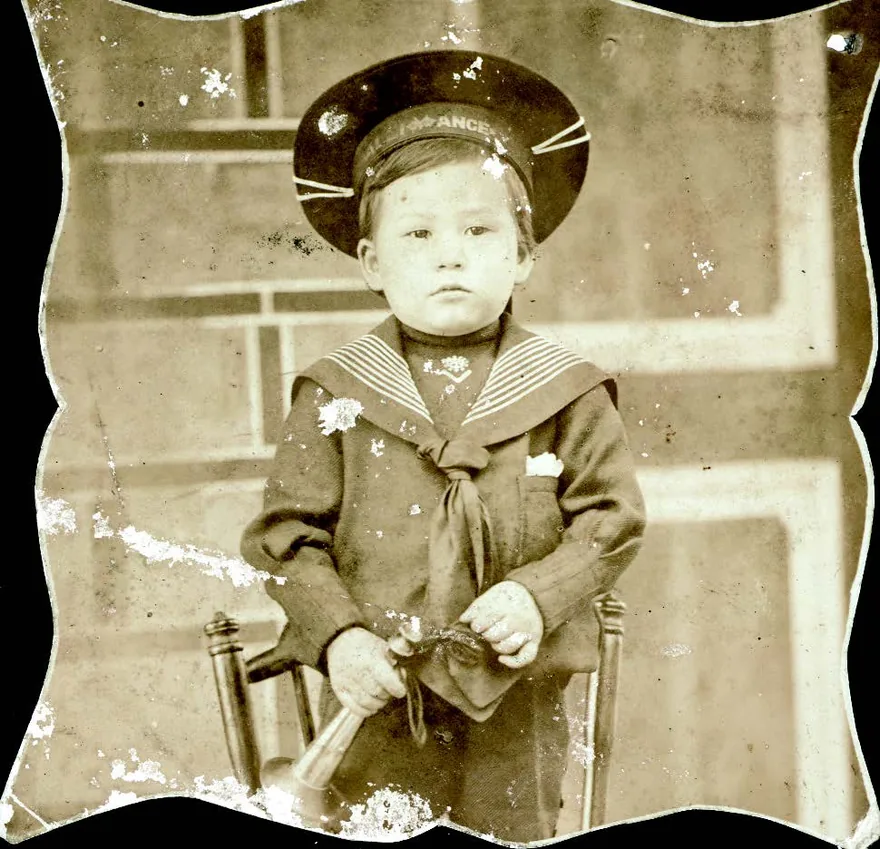
05A son of Taiwan, the second Mackay: Principal George William Mackay
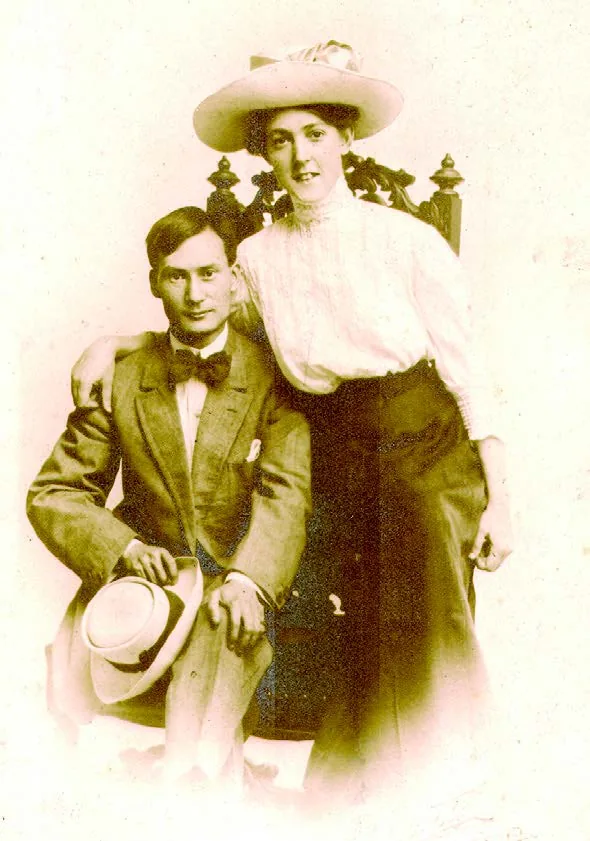
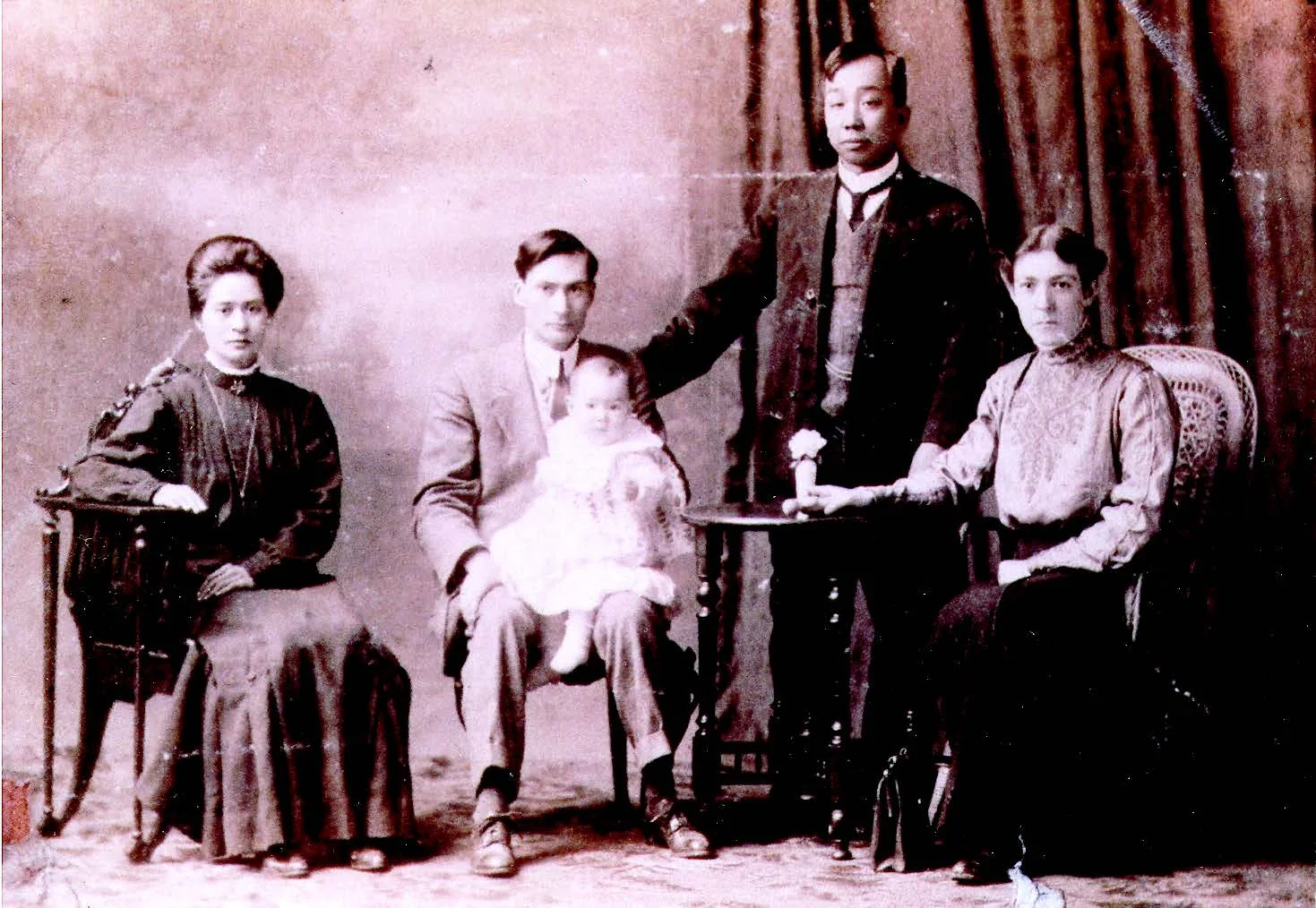
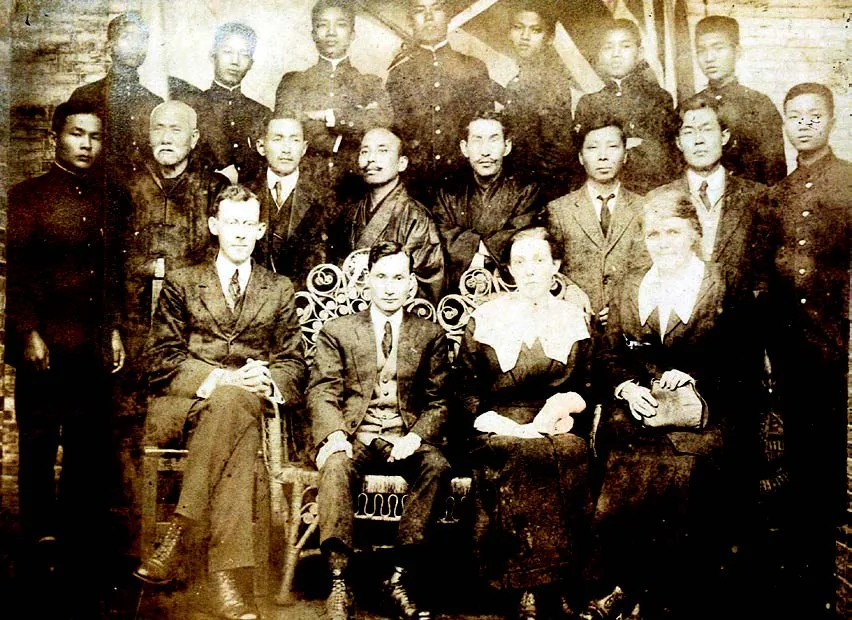
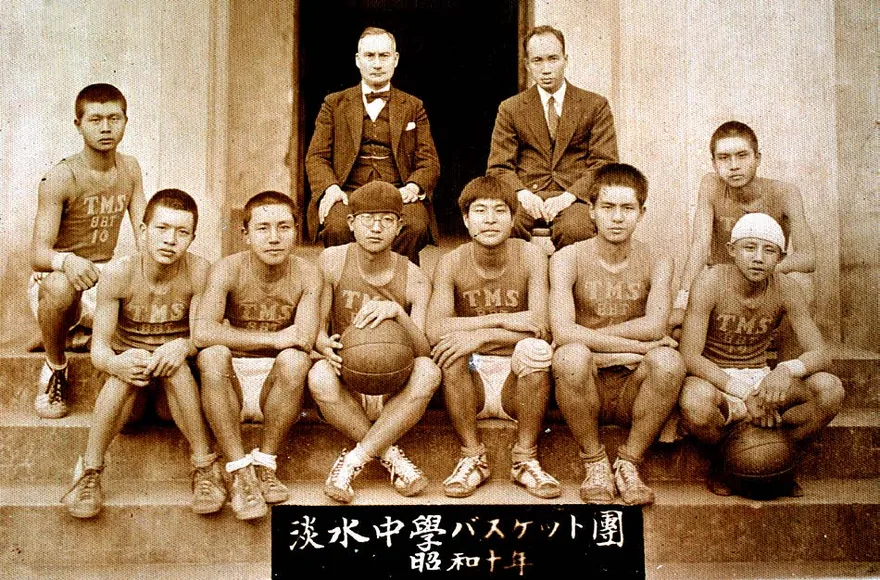
In December 1911 he brought his newly married wife, Mrs. J. R. Mackay, back to Taiwan after ten years away. The bride's father, the Rev. John Ross, had been a lifelong friend of Dr. Mackay's. The return of the second Mackay was naturally most welcome to the members of the northern churches, who had been led by Dr. Mackay for nearly thirty years. They joined the mission council team led by Rev. William Gauld; then in 1914 he founded Tamsui Middle School, and was its principal until 1935. During that time he also served as an elder of Tamsui Church, and the handsome red-brick sanctuary of Tamsui Church today was built at his instigation. His wife, Mrs. J. R. Mackay, was called Mrs. Mackay (偕先生娘) by church members and students alike. Besides teaching at Tamkang Senior High School, she was concerned for the students' life of faith, holding Bible classes, summer camps and Sunday school; her faith was firm and her influence far-reaching.
06Separated by the fires of war, his heart with Taiwan
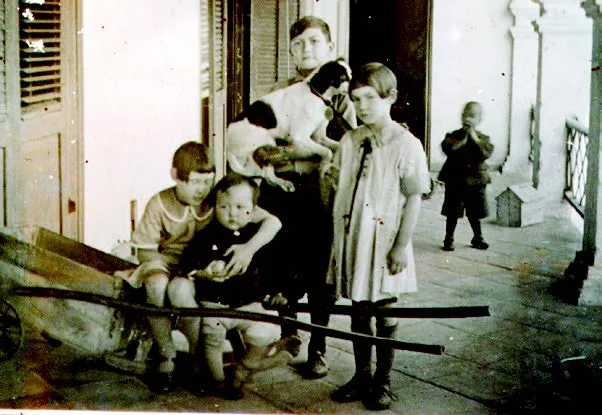
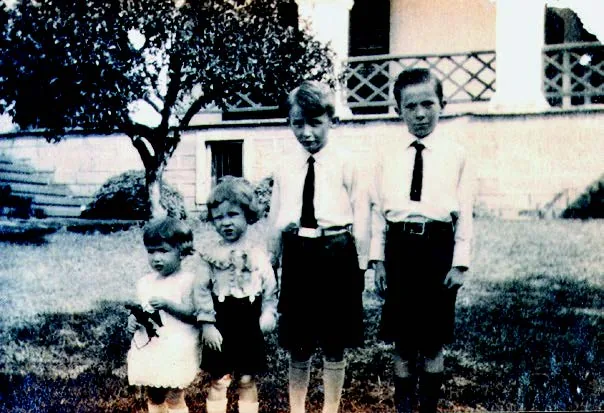
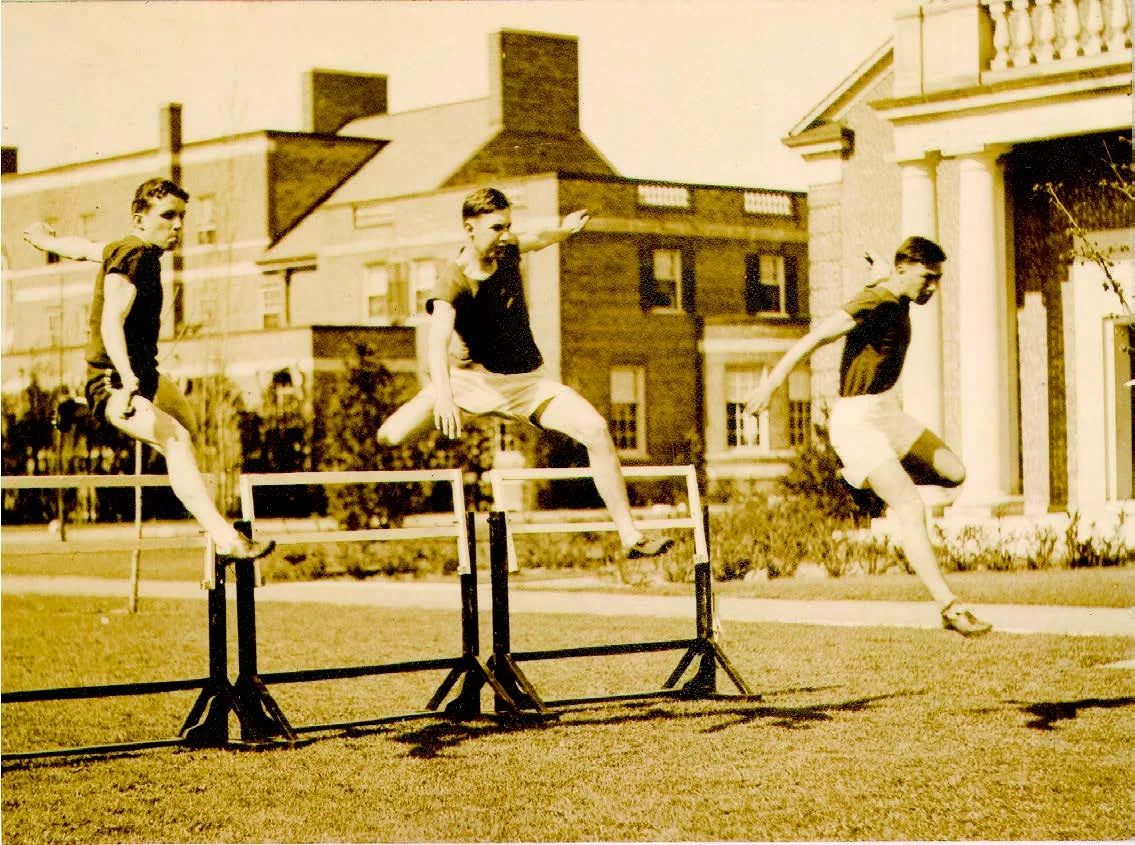
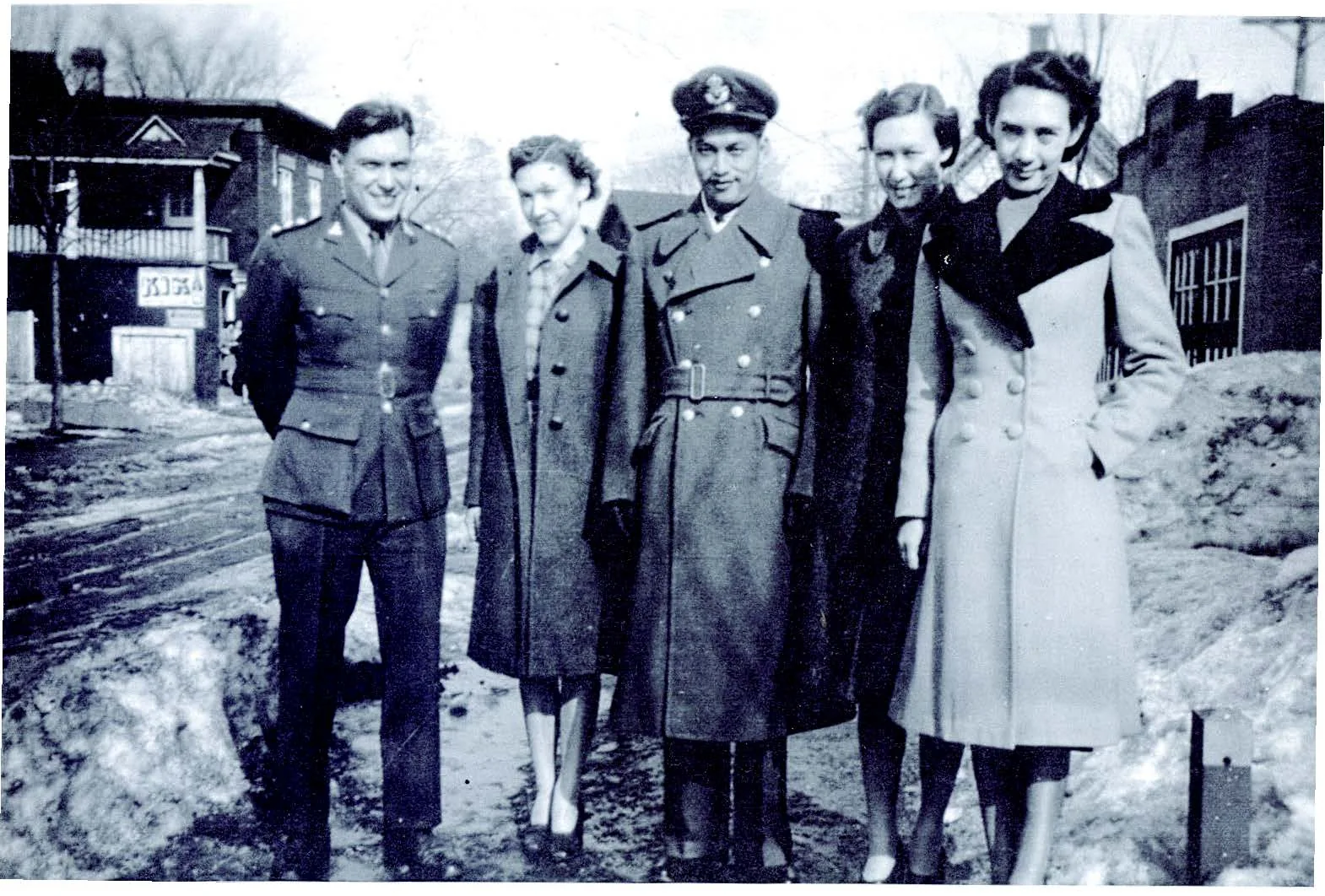
From the founding of the school until 1935 George William Mackay was principal throughout, except on three occasions when he went abroad and other missionaries acted in his place. During the Second World War he was sent by the Canadian foreign mission board to British Guiana in South America, which the fighting did not reach, where he was principal of a middle school; his wife also taught there until the end of the war. The Mackays had two sons and three daughters, all of whom grew up in Tamsui as children and were educated in their youth at the British school in Kobe, Japan. When they were older the two brothers William and John returned to their father's old school, St. Andrew's College, for their education. In 1939 William joined the Royal Canadian Air Force and was a hero of the air war; he was killed over the Atlantic on 13 March 1942 (there is a memorial stone to him in the Mackay cemetery). In 1940 John also joined the forces, finally retiring as an army intelligence officer with the rank of major.
07Fallen leaves return to the root: becoming the soil of Taiwan
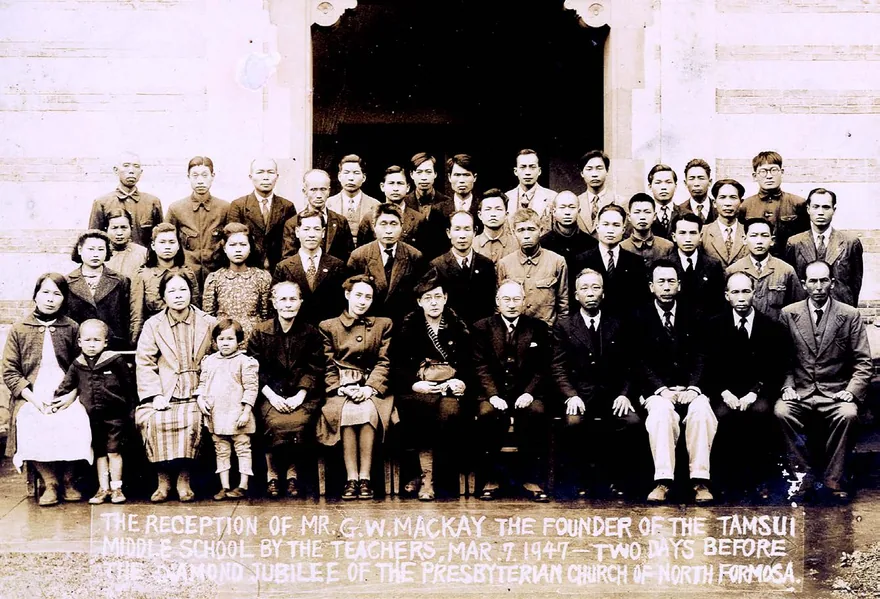
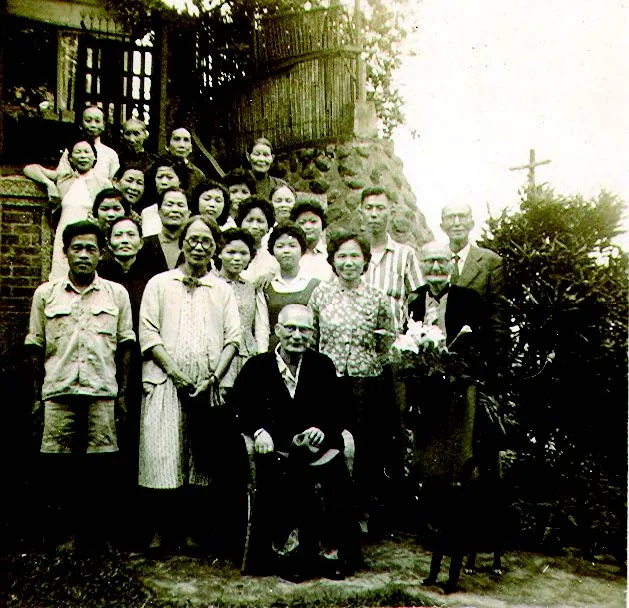
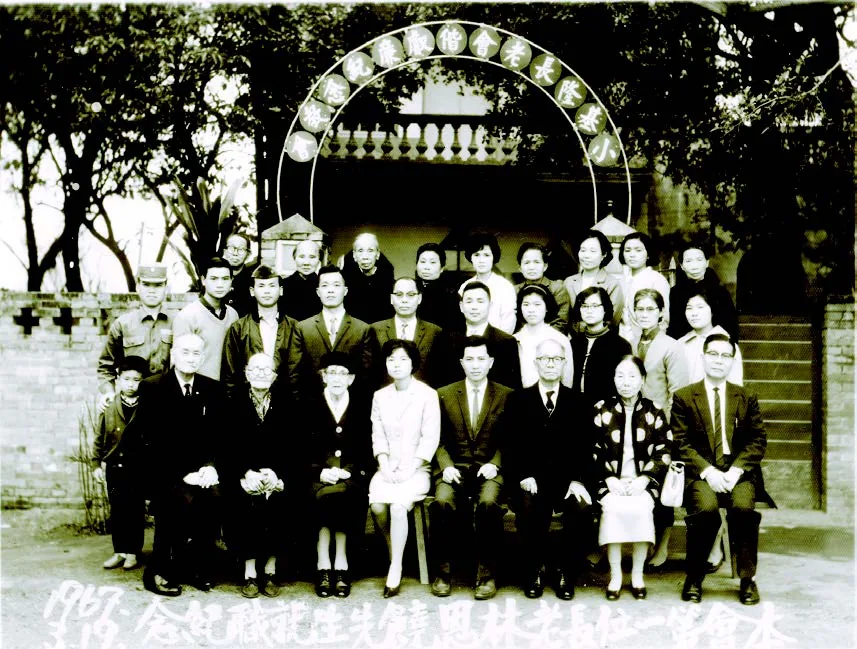
George William Mackay returned to Tamkang Senior High School in 1947 and served as chairman of the school's board; after retiring in 1952 he lived out his old age in Tamsui, and his three daughters An-lien, Ming-li and Margaret came to Taiwan in turn to keep their parents company. In their later years the couple used the premises of the former Hobe Mackay Hospital beside Tamsui Church to open a Bible centre, where they trained a good many preachers and threw themselves into the evangelistic movement in Taiwan in the 1960s. They also founded the Bible Memorisation Society (背唸聖經會) and planted churches along the north coast; on the main street of Sanzhi today one can still see the Little Keelung George William Mackay Memorial Church.
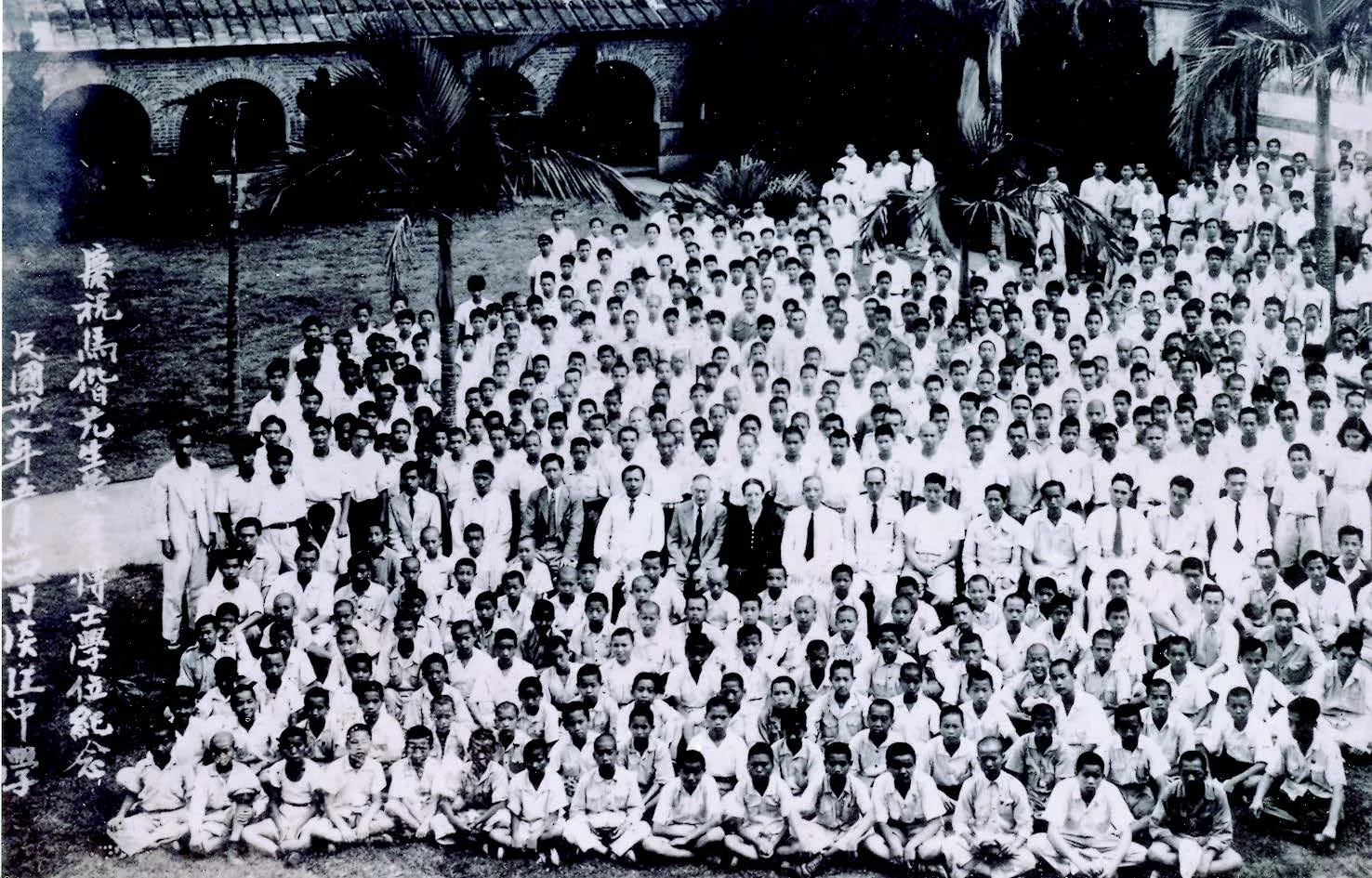
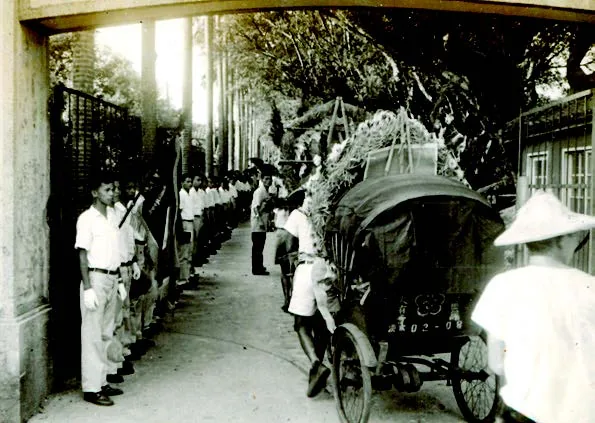
George William Mackay died at Mackay Memorial Hospital in Taipei on 20 July 1963; his funeral was held in the sanctuary of Tamsui Church on 23 July, after which he was buried in the Mackay family cemetery to the left of his father, Dr. Mackay. The main tower of the great chapel of Tamkang Senior High School, completed and brought into use in 1966, was also named the Principal George William Mackay Memorial Tower in his memory. Mrs. J. R. Mackay stayed on until 6 August 1968, when, seen off by the members of Tamsui Church, she returned to Canada to rest; she died in Toronto on 16 August the following year, and a memorial stone to her stands today beside George William Mackay's grave in the Mackay cemetery.
The five chapters
In order of time.